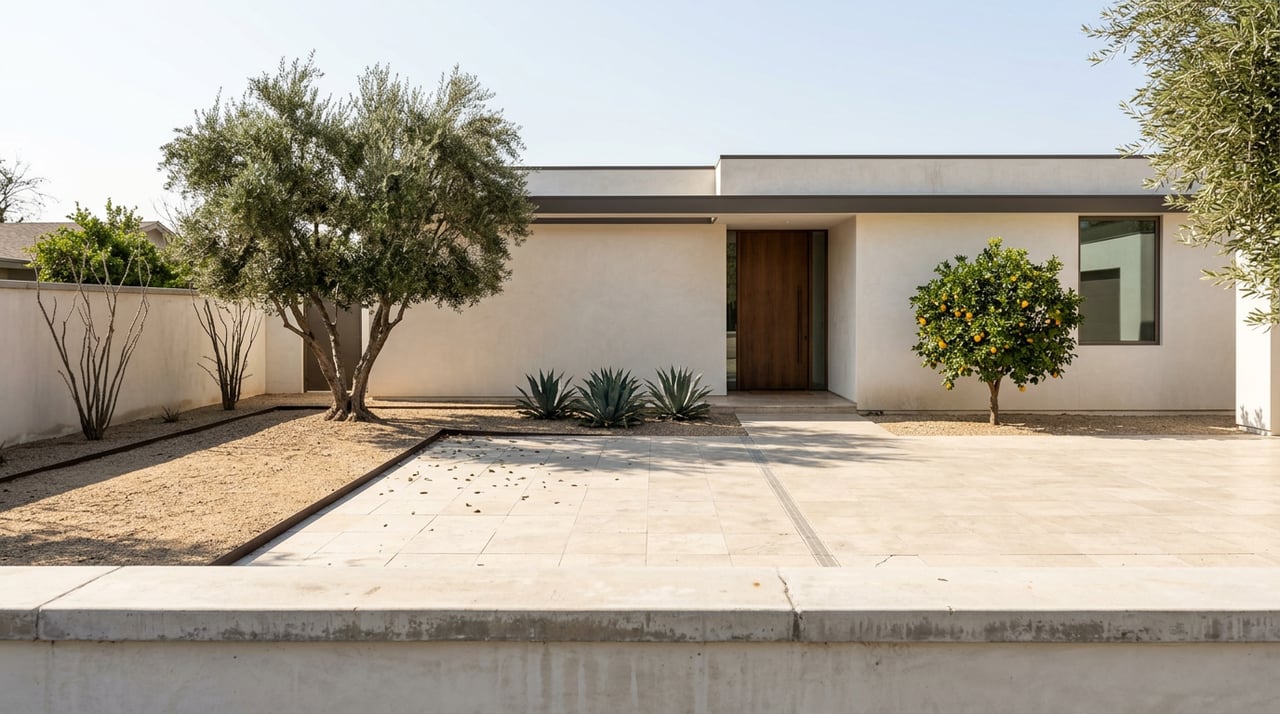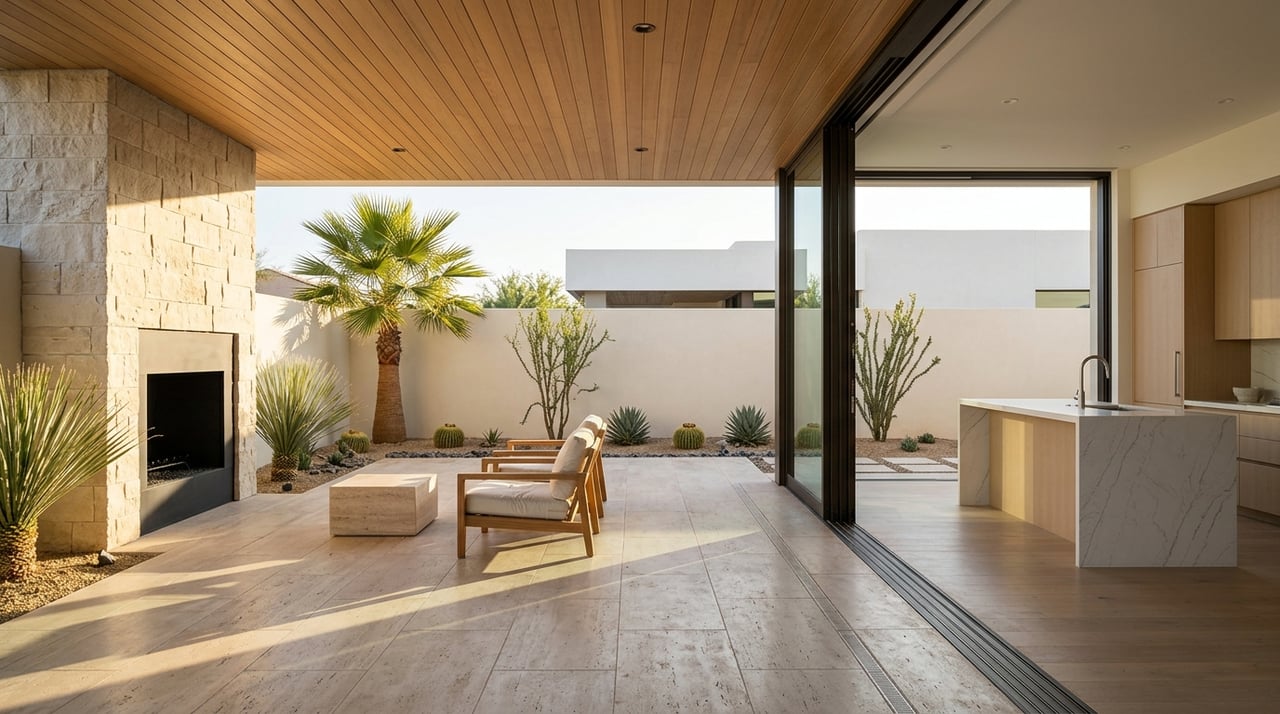
If you live in Paradise Valley, your outdoor space is not just a backyard. It is part of how you experience home for much of the year. With about 294 sunny days annually, roughly 7.3 inches of rainfall, and a hot summer climate, the best homes are designed to make indoor and outdoor areas feel connected, comfortable, and intentional. Whether you are renovating an older estate or evaluating a move, understanding what works here can help you create a home that feels both elevated and well suited to the desert. Let’s dive in.
Why indoor-outdoor living matters here
Paradise Valley is uniquely positioned for this design approach. The Town describes the area as low-density and largely residential, with large lots, hillside open space, mountain views, and a strong focus on privacy, quiet, and dark skies. That setting naturally shifts more of daily recreation and entertaining onto private residential lots.
In practical terms, that means your patio, pool terrace, shaded lounge, and outdoor kitchen often function like true extensions of the interior. In a market where many older homes are being remodeled or replaced as the town approaches build-out, indoor-outdoor upgrades are not just a style choice. They are a meaningful design and value conversation.
Start with shade and transition zones
A seamless indoor-outdoor home usually begins with the threshold. In Paradise Valley, the transition from inside to outside has to do more than look beautiful. It also needs to help manage sun, heat, glare, and privacy.
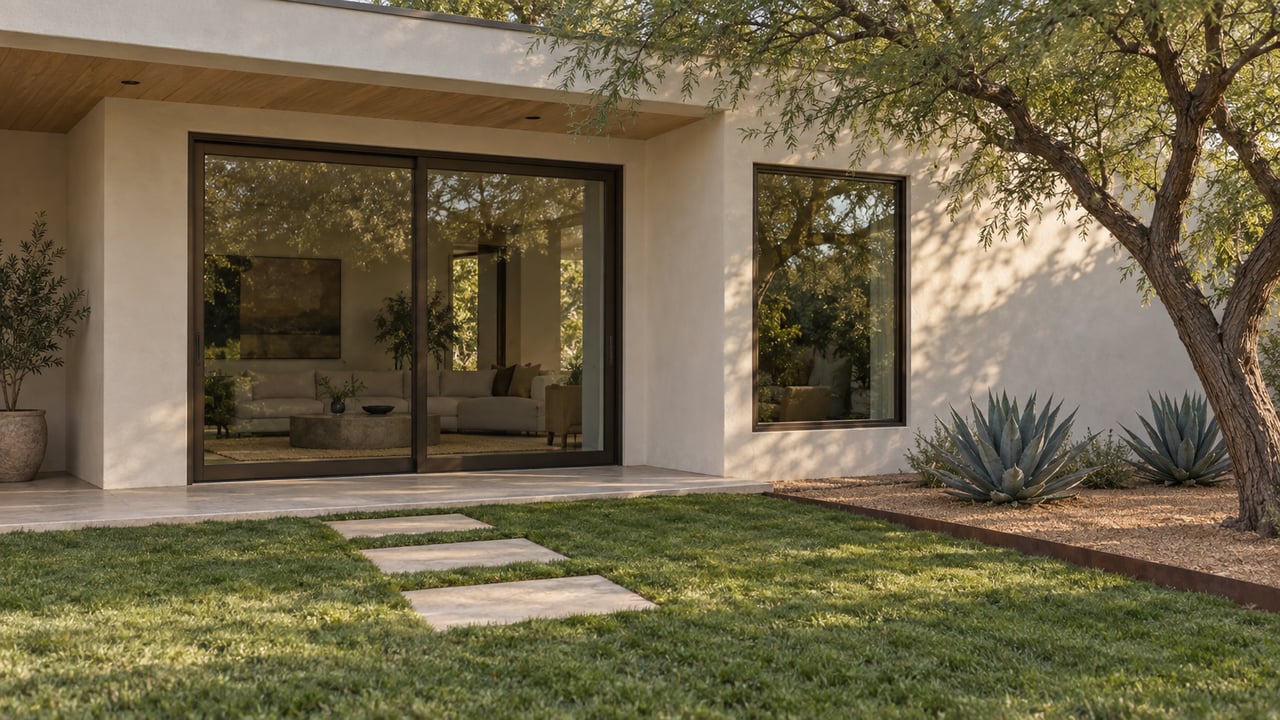
Large operable openings can create a strong visual link between the interior great room and the exterior living area. Covered thresholds, deep patios, and outdoor rooms help soften the climate impact while making the space feel usable for more of the year. When these areas are designed well, you do not feel like you are stepping out of the house. You feel like the house simply continues.
Design the outdoor room like an interior room
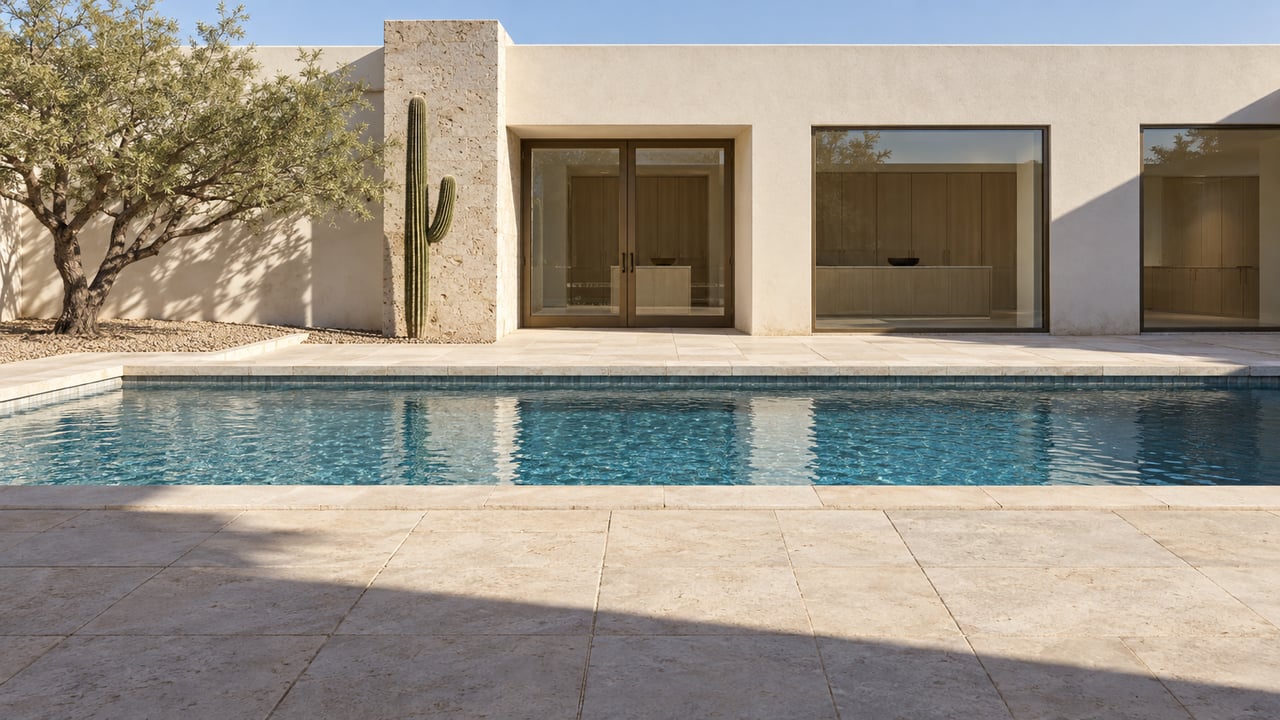
The most successful layouts treat exterior spaces with the same care as indoor ones. That means planning for circulation, furniture placement, shade, and sightlines from the start. A lounge area, dining zone, and poolside seating area should feel connected rather than scattered across the yard.
This matters even more on larger Paradise Valley lots, where distance can make outdoor areas feel disconnected if they are not well composed. Clean pathways, covered gathering spaces, and a layout that visually ties back to the house can make the entire property feel more cohesive.
Keep the architecture cohesive
Paradise Valley’s planning vision emphasizes design quality, neighborhood compatibility, and responsiveness to the Sonoran Desert setting. For homeowners, that means the goal is not simply adding more outdoor features. It is creating outdoor spaces that feel like a natural extension of the architecture and site.
Materials, rooflines, wall treatments, and hardscape choices should support that continuity. On hillside properties especially, the town’s review process considers details like building materials, heights, lighting, grading, drainage, and land disturbance. In other words, cohesion and site sensitivity often matter more than scale alone.
Choose materials that belong in the desert
A polished indoor-outdoor design in Paradise Valley should feel grounded in its surroundings. The town’s guidance for hillside development calls for retaining walls to be color-treated or veneered to blend with natural colors, and the broader planning framework encourages design quality and sustainable materials where feasible.
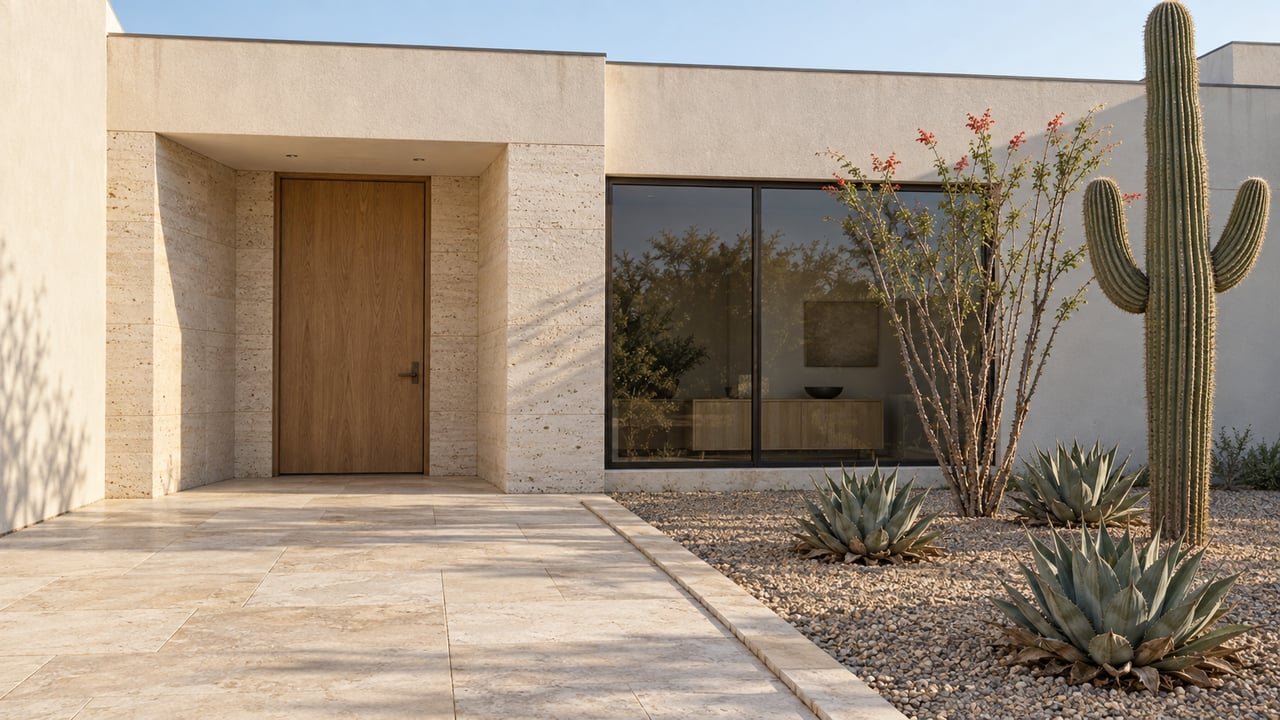
That principle carries across the entire property. Hardscape and structural finishes tend to feel strongest when they reflect the natural desert palette rather than compete with it. Think of the outdoor environment as part of the architectural composition, not a separate layer.
Focus on texture, tone, and durability
In a desert setting, materials have to look good while standing up to strong sun and heat. Covered patios, paved courtyards, and pool terraces should feel refined but also practical for daily use. The visual goal is often restraint, where texture and tone do more of the work than bright contrast.
For many Paradise Valley homes, this approach also supports resale. Buyers often respond to homes that feel calm, intentional, and site-specific rather than overdesigned. That is especially true in an area known for mountain views, privacy, and architectural presence.
Build the landscape around low-water desert design
A seamless indoor-outdoor home is not just about doors and patios. The landscape has to support the experience. Paradise Valley’s landscape guidelines recommend desert-compatible trees and plants, informally sited plantings, and granite, ground cover, or water elements in place of perimeter grass.
Where trees are not practical, the town recommends native shrubs, ground cover, and wildflowers. This type of planting can help the property feel rooted in the Sonoran Desert while reducing maintenance and supporting a more natural visual flow from the house into the land.
Trees that fit the setting
Paradise Valley’s guidelines identify several low-water desert trees that fit well locally, including blue palo verde, velvet mesquite, desert willow, ironwood, and desert hackberry. These species can provide structure, filtered shade, and a more authentic desert character.
Mesquite and palo verde are especially useful reference points in desert landscape planning. They are well known for heat tolerance and for their role in Sonoran Desert planting palettes. Used thoughtfully, they can anchor outdoor rooms without making the landscape feel heavy.
Place plants with daily use in mind
Beauty matters, but so does circulation and safety. The town’s landscape guidance notes that spiny plants such as agave, yucca, barrel cactus, and prickly pear should be kept at least six feet from pedestrian paths or roadways. That is an important detail around walkways, entries, lounging areas, and pool edges.
This is one of the easiest ways to make outdoor spaces feel more livable. A landscape can still be sculptural and distinctly desert-driven without pushing sharp plant material into high-traffic zones.
Reduce turf and group irrigation wisely
Water efficiency is an important part of outdoor planning in an arid environment. A practical local approach includes minimizing turf, grouping plants by similar water needs, and using mulch or ground cover to support moisture retention and lower maintenance.
For many Paradise Valley properties, strategic turf placement works best when it is limited to select areas, such as a courtyard or a contained recreational space. The overall effect is more refined and more appropriate to the climate than broad lawn coverage across the site.
Make the pool area part of the plan
In Paradise Valley, pools are often the visual centerpiece of the backyard. But the best pool environments do more than create a focal point. They tie together the house, patio, shade structures, and circulation routes into one clear composition.
That integrated approach matters both aesthetically and practically. The town requires a pool or spa permit for pools, spas, and spools, and application materials can include a site plan, structural calculations, an engineered pool plan, and dust-control documentation.
Plan for barriers early
If you are adding or reworking a pool area, barrier compliance should be part of the design from the beginning. Paradise Valley requires outdoor pools, spas, and hot tubs to be enclosed by a barrier at least 60 inches above grade on the outside face, with gates that self-close and self-latch.
When this is planned early, the safety requirements can feel integrated rather than intrusive. That is especially important in high-design outdoor spaces where you want the finished result to feel clean and composed.
Treat drainage and grading as design issues
One of the biggest mistakes in outdoor renovations is treating drainage as something to solve after the design is done. In Paradise Valley, that approach can create problems. The town requires grading permits when earthwork changes grade or drainage conditions, and its General Plan emphasizes preserving and restoring natural washes for storm-water drainage, open space, wildlife habitat, and view corridors.
This is especially important on hillside properties or lots with more complex topography. Pool terraces, retaining walls, patios, and additions can all influence how water moves across the site. Strong design here is not just about appearance. It is about long-term performance and compatibility with the land.
Keep outdoor lighting subtle
A lot of luxury outdoor spaces rely too heavily on bright decorative lighting. In Paradise Valley, a more restrained approach is a better fit. The town’s hillside lighting code is designed to preserve low-light desert conditions and night skies through fully shielded fixtures, downward-directed lighting, limits on light spill, and no lighting in designated undisturbed areas.
That local framework supports a simple design lesson. Outdoor lighting should be functional, understated, and led by the architecture. When it is done well, it highlights entries, paths, and gathering areas without washing out the landscape or competing with the evening sky.
What upgrades tend to matter most
If you are thinking about how to improve a home for your own use or future resale, a few priorities stand out in Paradise Valley:
- Covered outdoor rooms that extend the main living areas
- Large operable openings that visually connect indoors and outdoors
- Integrated pool and patio layouts with clear circulation
- Desert-compatible planting with low-water trees and restrained turf
- Site-sensitive materials and finishes that blend with the setting
- Early attention to permits, barriers, grading, drainage, and lighting requirements
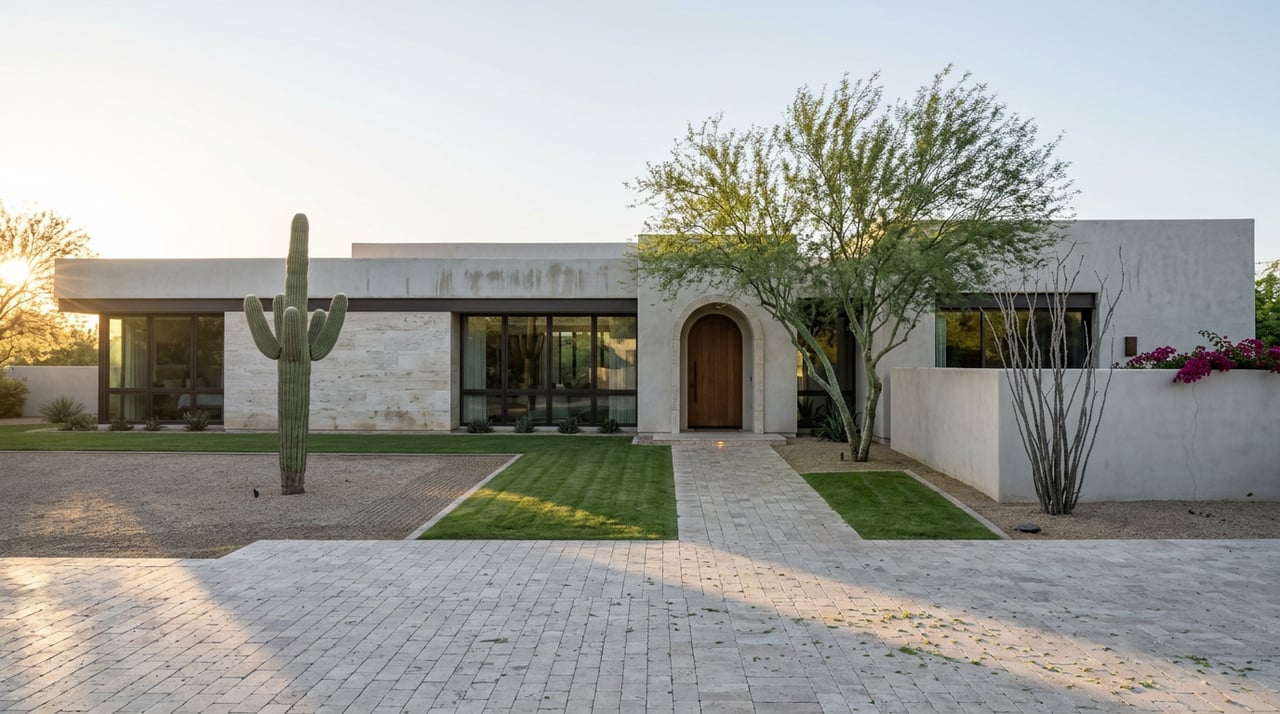
In this market, the most compelling homes tend to feel complete rather than crowded. The design reads as one story from the front approach to the backyard view.
Why this matters for buyers and sellers
For buyers, seamless indoor-outdoor living often translates into a better day-to-day experience. You can see more clearly how a home fits the climate, supports entertaining, and takes advantage of its lot, privacy, and views. In Paradise Valley, those qualities are part of what makes a property feel truly special.
For sellers, these design choices can shape how the home is perceived from the first showing. A well-composed outdoor environment helps the property photograph beautifully, tour well in person, and present as a complete lifestyle offering. In a design-sensitive luxury market, that can have a meaningful impact on buyer response.
If you are considering a purchase, remodel, or future sale in Paradise Valley, thoughtful indoor-outdoor design is rarely just cosmetic. It is one of the clearest ways to align a home with how this market actually lives. If you want guidance on how these features translate in today’s luxury market, connect with Adrian Heyman for a private consultation.
FAQs
What makes indoor-outdoor living work in Paradise Valley?
- The strongest designs usually combine shade, large operable openings, covered outdoor rooms, climate-appropriate landscaping, and a layout that makes the patio and pool area feel like a natural extension of the house.
Which landscape approach fits Paradise Valley homes best?
- A low-water desert landscape is generally the best fit, using desert-compatible trees, native shrubs, ground cover, minimized turf, and materials that visually blend with the Sonoran Desert setting.
What outdoor features often require permits in Paradise Valley?
- Pools, spas, spools, grading work that changes drainage or grade, and fixed outdoor structures such as ramadas can require permits, depending on the scope of the project.
What should homeowners know about Paradise Valley pool rules?
- Outdoor pools, spas, and hot tubs must have a compliant barrier at least 60 inches high on the outside face, with gates that self-close and self-latch.
Why does drainage matter in Paradise Valley outdoor design?
- Drainage matters because grading and site changes can affect storm-water flow, natural washes, and hillside conditions, which makes early planning important for both performance and local review.
How should outdoor lighting be handled on Paradise Valley properties?
- Outdoor lighting should be subtle and functional, with fully shielded and downward-directed fixtures that support visibility while respecting dark-sky conditions and property-line light limits.