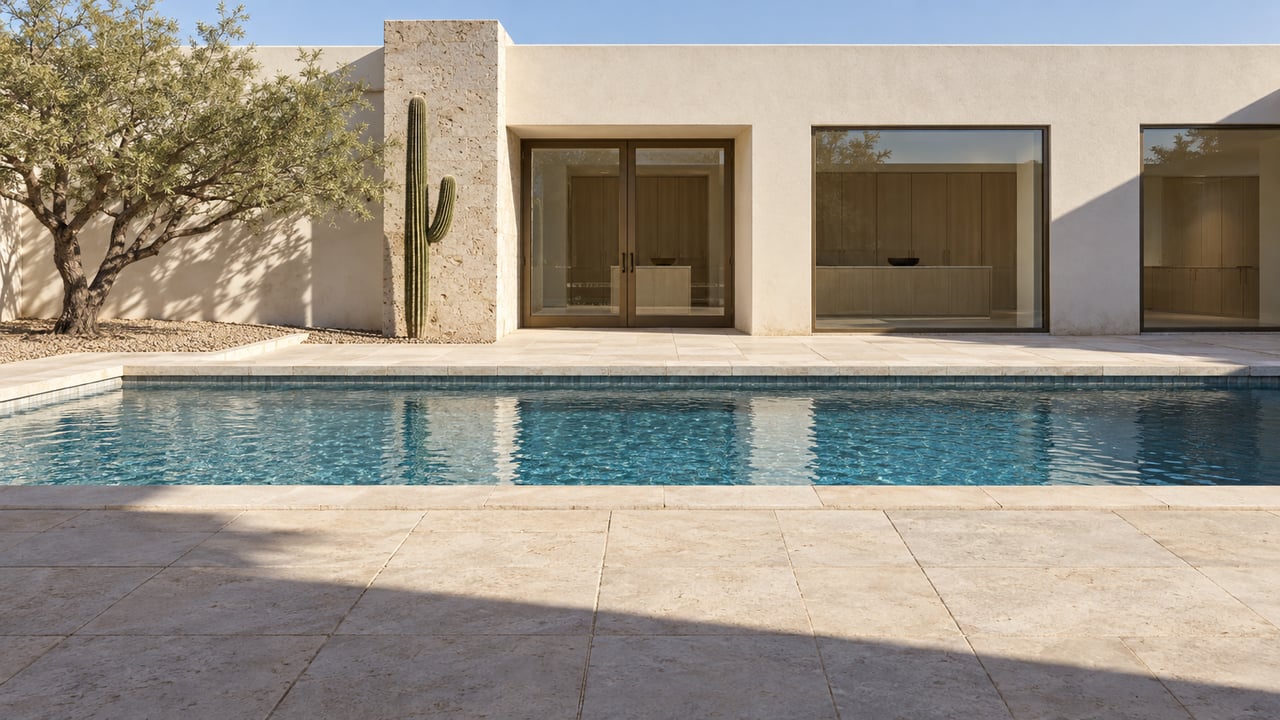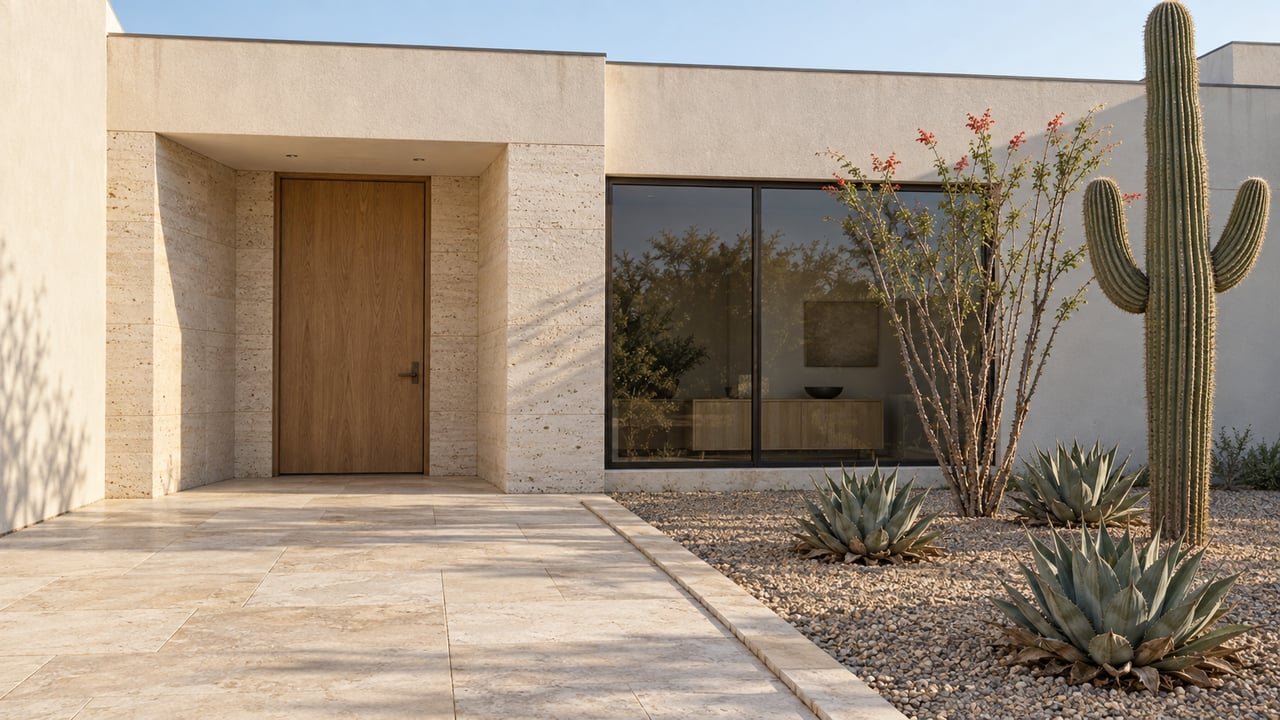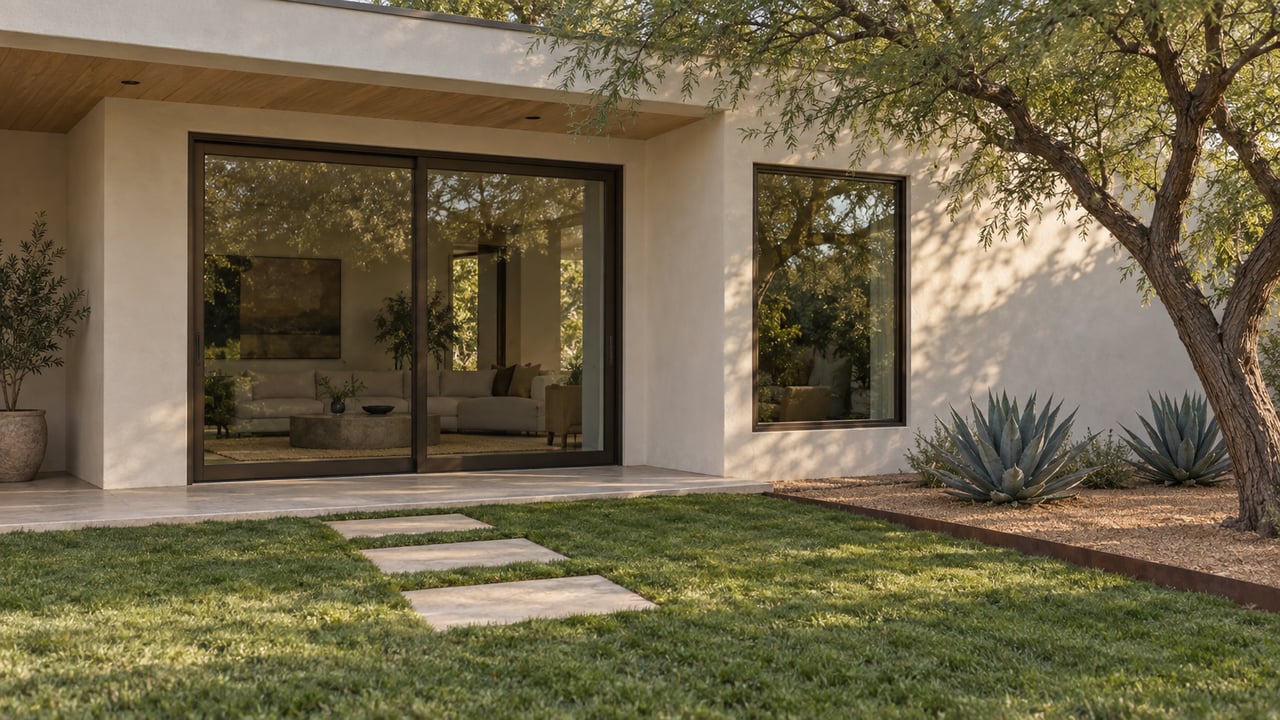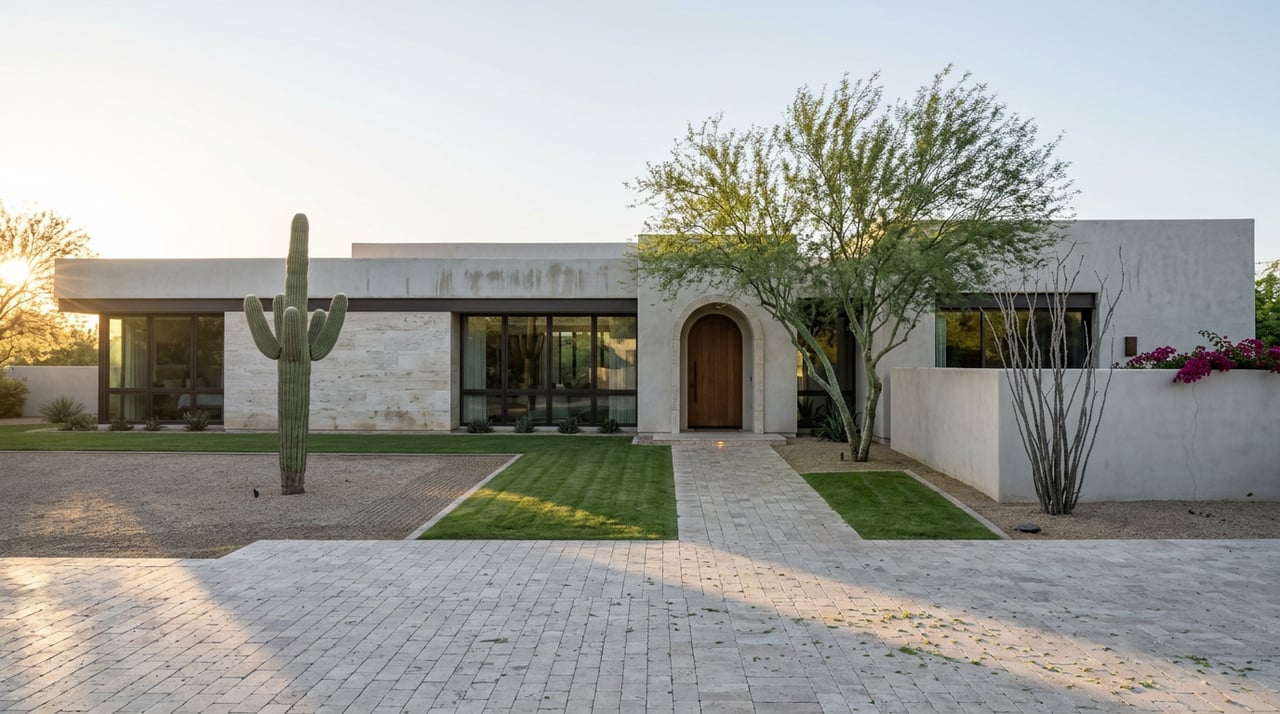
You can love an Arcadia home at first sight and still miss the details that shape how it lives every day. In this part of Phoenix, lot orientation, Camelback views, and street placement can change your light, privacy, outdoor comfort, and even resale appeal. If you are comparing luxury homes in Arcadia, understanding those differences can help you buy with more clarity and confidence. Let’s dive in.
Why lot choice matters in Arcadia
Arcadia sits within the Arcadia Camelback special planning district in Camelback East Village, near the base of Camelback Mountain. The City of Phoenix describes the area as a place where preserving residential character and neighborhood stability matters, with general plan guidance that is predominantly 0 to 2 dwelling units per acre.
That context helps explain why lot selection carries extra weight here. Camelback East is a mature part of Phoenix, and the city says much of its housing stock was built between 1950 and 1970. Because of that older block pattern, factors like orientation, setback, street class, and view corridor often matter more than they do in newer subdivision neighborhoods.
In simple terms, two Arcadia homes with similar square footage and finishes can feel very different once you factor in the lot. That is often where the real difference in daily experience shows up.
Lot orientation affects daily livability
In Arcadia, the way a home sits on its lot can shape how your indoor and outdoor spaces feel through the year. The U.S. Department of Energy notes that south-facing windows admit the most winter sun but little direct summer sun when properly shaded, while north-facing windows provide more even light with less unwanted summer heat gain.
East- and west-facing exposures can be more challenging in Phoenix. According to the same guidance, those directions often bring more summer heat and glare. For you as a buyer, that can affect everything from natural light quality to patio use, pool comfort, and cooling demands.
A practical example helps. If a rear yard faces west, late afternoons can feel hotter and brighter, especially during warmer months. If a rear yard faces east, outdoor areas may be easier to enjoy later in the day.
Rear-yard direction is a key question
When you tour an Arcadia luxury home, one of the smartest questions you can ask is simple: which way does the rear yard face? That answer can tell you a lot about how the backyard may function for dining, entertaining, lounging, and pool time.
This matters even more in a market where outdoor living is part of the lifestyle appeal. A beautiful backyard is not just about design. It is also about when and how comfortably you can use it.
Camelback views are not all equal
Camelback Mountain is one of Phoenix’s signature landmarks, so it is no surprise that views of it are a major draw in Arcadia. But not every view carries the same long-term value or everyday impact.
Because Arcadia sits south of Camelback Mountain, many mountain-view properties are really benefiting from a northward sightline. The durability of that sightline can depend on neighboring rooflines, tree growth, and whether future redevelopment affects the corridor.
That is why a listing that mentions a Camelback view deserves a closer look. A wide, open, protected-looking view is different from a partial glimpse between structures or landscaping.
Protected sightlines matter
Research on view premiums suggests scenic views can influence pricing, but the impact varies by market and by the kind of view itself. In Arcadia, that means a strong Camelback view can be meaningful, but buyers should be careful not to treat all view claims the same.
When you stand on a lot, try to assess whether the view feels broad and stable or more exposed and interruptible. In luxury real estate, that distinction can matter both to your enjoyment and to future resale positioning.
Street dynamics can change the feel of a home
One of the most overlooked parts of Arcadia home shopping is the street itself. A luxury home may have excellent design and a great lot size, but its position on an arterial, collector, or interior street can change how private, quiet, and convenient it feels.
The City of Phoenix defines arterials as streets intended for the highest traffic volumes and higher speeds. In Arcadia-area studies, Camelback Road and Indian School Road are arterials, while 56th Street between Thomas and Camelback is a collector street with a posted 35 mph limit.
This hierarchy matters in real life. Homes on major roads often gain easier access and visibility, but they may give up some quiet, privacy, and driveway ease. Homes on interior streets often feel calmer and more residential, which fits the district’s goal of preserving neighborhood character.
Why nearby blocks can feel so different
Arcadia planning documents reference concerns such as cut-through traffic and commercial encroachment. That helps explain why two homes only a few blocks apart can offer very different experiences once you factor in movement, noise, and street rhythm.
If you are comparing homes, do not stop at the address. Look at the broader street context around the property and how traffic patterns may affect day-to-day life.
Trail access can bring both appeal and pressure
Living near Camelback Mountain is a major lifestyle draw for many buyers. It is one of Phoenix’s best-known hiking destinations, and that proximity can add to the appeal of certain Arcadia properties.
At the same time, the City of Phoenix warns that trailhead parking is limited and that vehicles parked along most nearby roadways are not allowed. For homes close to Echo Canyon or Cholla, scenic access can come with more weekend curb pressure and visitor turnover.
Cholla Trailhead is off Invergordon Road, so homes in that immediate area may feel trail-related activity more directly than properties deeper inside the neighborhood. For some buyers, that tradeoff is worth it. For others, a quieter interior location may be the better fit.
Canal access adds another layer
Some Arcadia-adjacent blocks also benefit from the Grand Canalscape. The City of Phoenix describes it as a 12-mile off-street recreational trail with lighting, seating, signalized crossings, and bridge crossings that improve walking and biking access.
That kind of nearby amenity can be a real lifestyle advantage. But as with trail access, it is worth understanding how close is ideal for your needs. Proximity can improve access while also changing activity levels around a property.
What to verify before choosing a lot
In Arcadia, a polished listing may highlight finishes, architecture, and outdoor spaces, but the lot-level story deserves just as much attention. Before you commit, it helps to verify how the property sits within the neighborhood and what that may mean over time.
The City of Phoenix provides tools like the My Community Map, Street Classification Map, Traffic Volume Map, and overlay or regulatory-plan maps. These can help you compare parcels and review zoning, permit activity, parcel context, street hierarchy, and whether a property sits within an overlay such as the Camelback Road Overlay District.
Arcadia lot checklist
Use this short checklist when comparing luxury homes in Arcadia:
- What direction does the rear yard face?
- Is the Camelback view wide and relatively protected, or partial and exposed?
- Is the home on a local street, collector, or arterial?
- Is the property close enough to a trailhead to feel weekend traffic or parking pressure?
- Is it near canal access, and if so, how might that affect daily activity nearby?
These are often the questions that explain why one Arcadia property lives better and resells better than another.
How to think about tradeoffs
Very few lots check every box. A home with a dramatic view may sit closer to activity. A property on a quieter interior street may offer less visual impact but stronger everyday privacy. A stunning backyard may be beautiful in photos but less comfortable at key times of day if the orientation works against you.
The goal is not to find a perfect lot. The goal is to understand which factors matter most for the way you want to live.
For some buyers, that means prioritizing a strong Camelback sightline. For others, it means focusing on a calmer interior block, a more comfortable rear-yard exposure, or better access to walking and biking routes. In Arcadia, the smartest decisions usually come from balancing those features rather than chasing just one.
If you are weighing Arcadia luxury homes and want a sharper read on how lot, views, and street dynamics affect value and livability, working with a local advisor can make the process far more precise. For a private, high-touch conversation about buying or selling in Arcadia, connect with Adrian Heyman.
FAQs
How does lot orientation affect an Arcadia luxury home?
- Lot orientation can affect natural light, summer heat, glare, patio comfort, pool use, and overall outdoor livability. In Phoenix, east- and west-facing exposures often create more heat and glare than north- or well-shaded south-facing exposures.
Why are Camelback Mountain views important in Arcadia?
- Camelback Mountain is a signature Phoenix landmark, and many buyers value those views. In Arcadia, the quality of that view can depend on how open the northward sightline is and whether nearby rooflines or tree growth may affect it.
What street types should buyers compare in Arcadia?
- Buyers should compare whether a home is on a local street, collector, or arterial. That can influence traffic levels, noise, privacy, driveway ease, and overall street feel.
How can trailheads affect homes near Camelback Mountain?
- Homes close to Echo Canyon or Cholla may benefit from nearby hiking access, but they may also experience more weekend curb pressure and visitor turnover because city parking near the trailheads is limited.
What should buyers verify before choosing an Arcadia lot?
- Buyers should verify rear-yard direction, view quality, street classification, nearby trailhead activity, canal proximity, parcel context, and any relevant overlay or planning maps from the City of Phoenix.