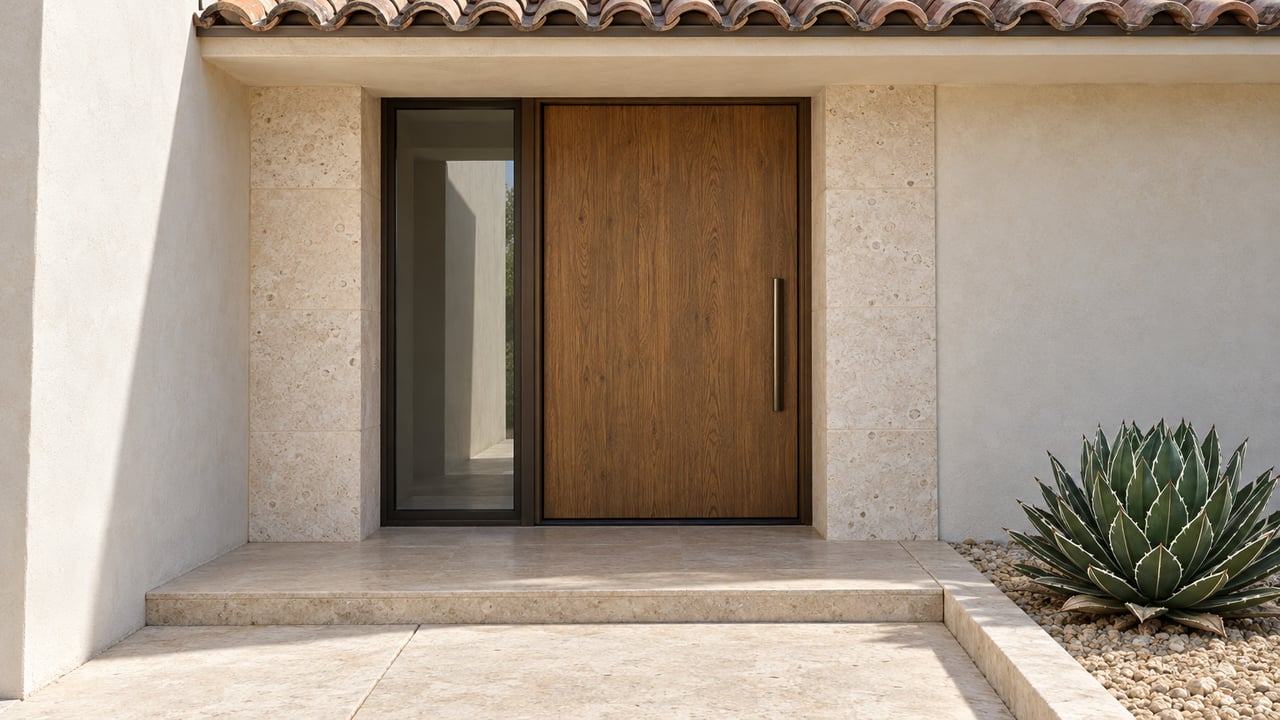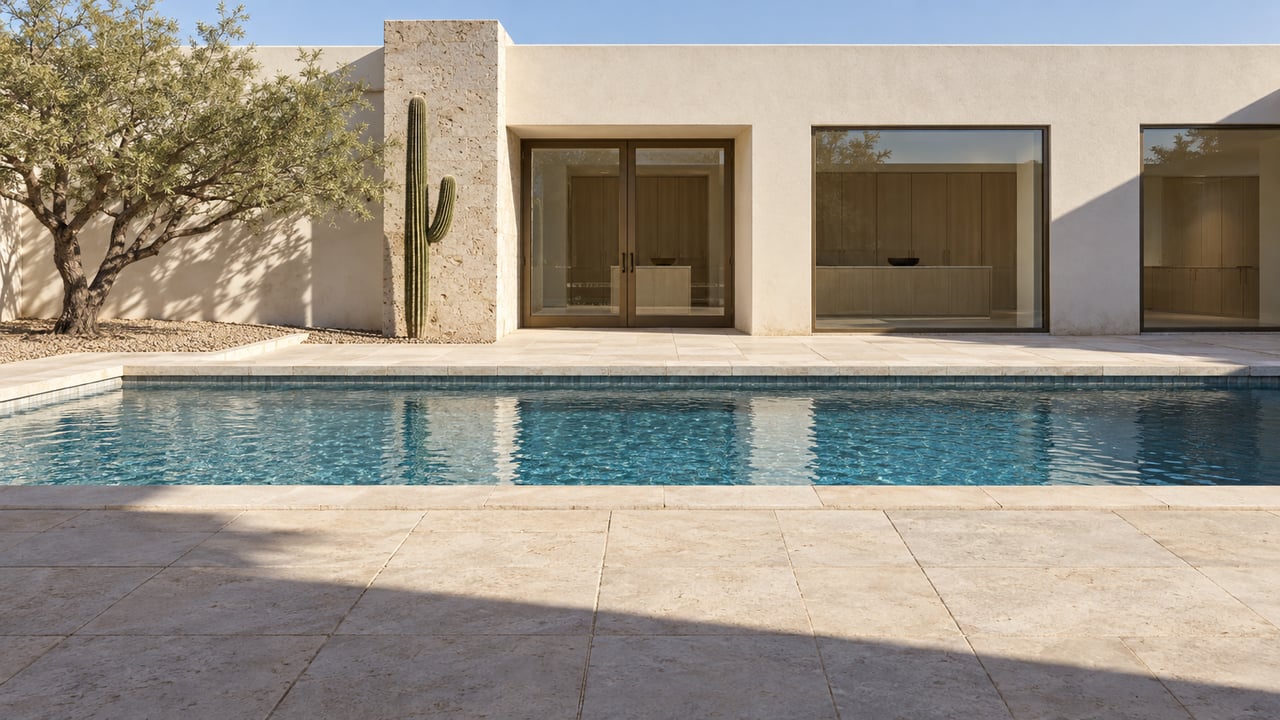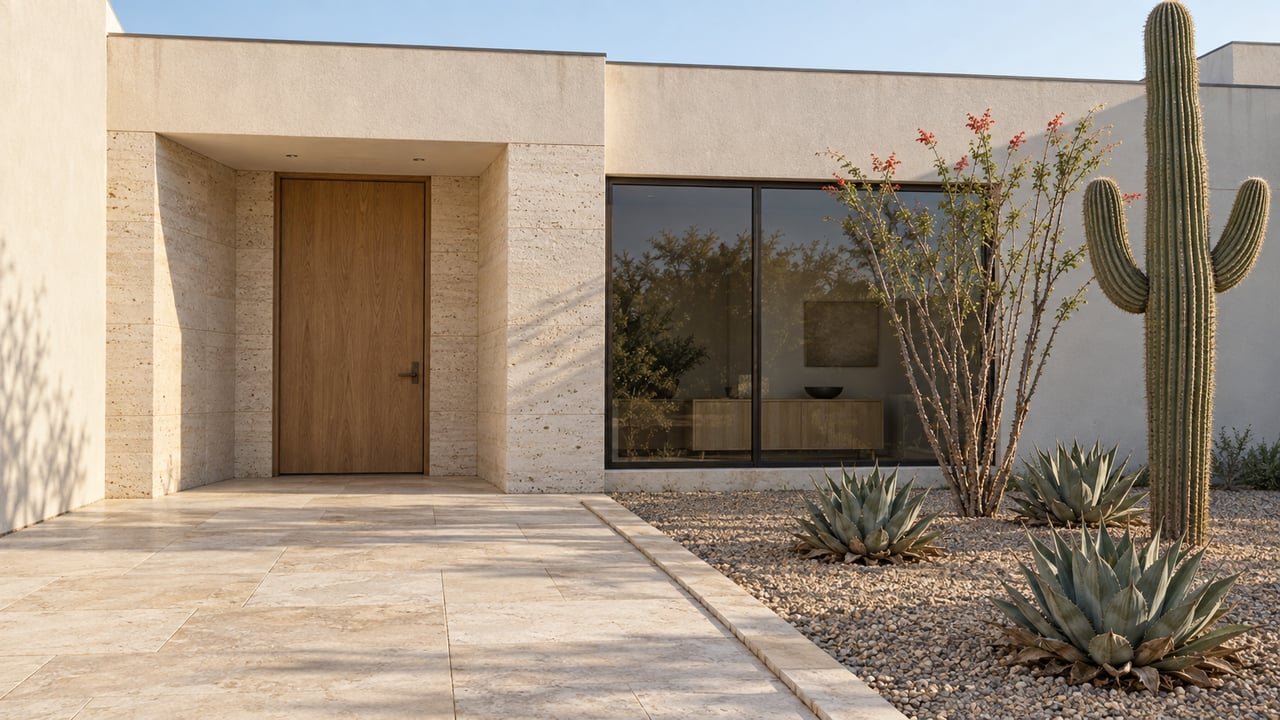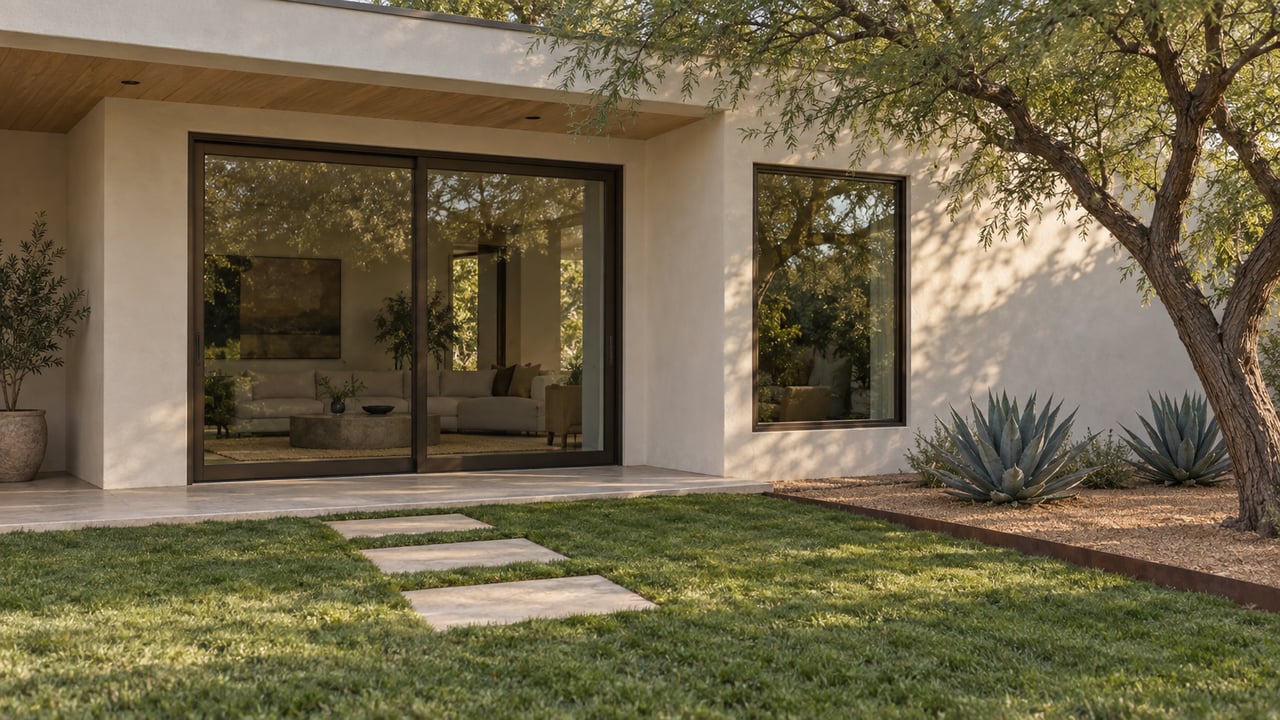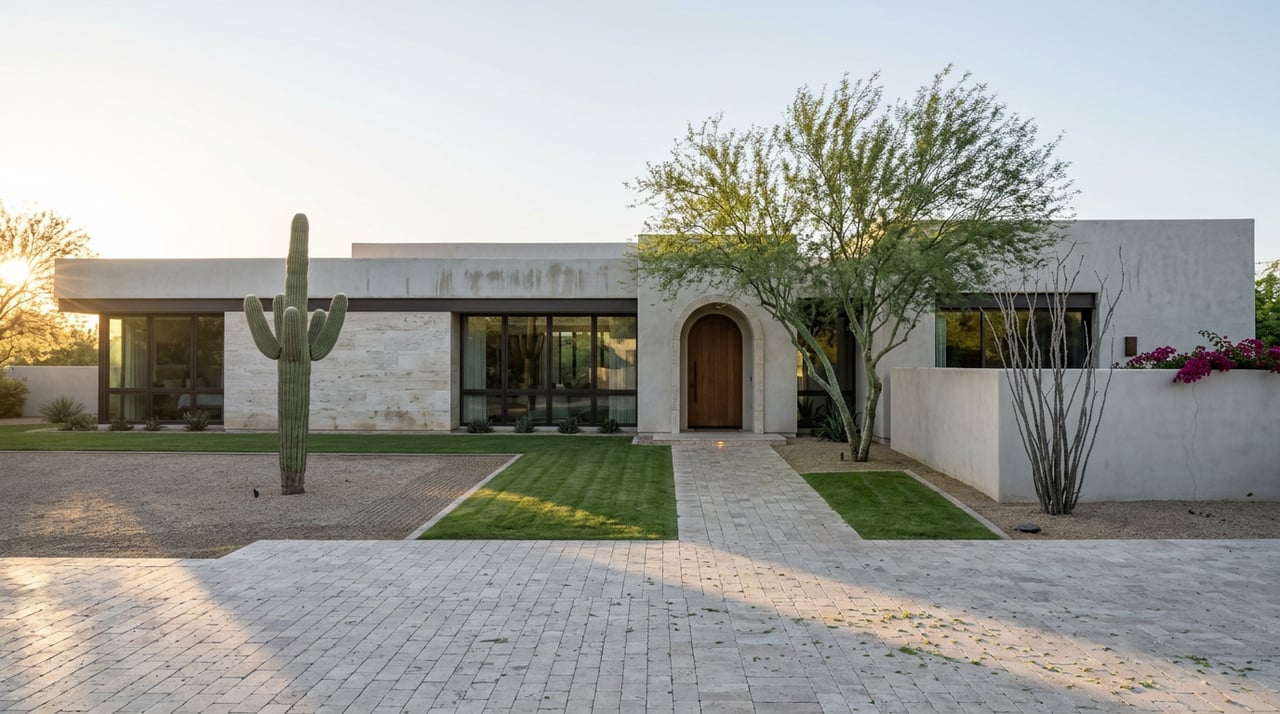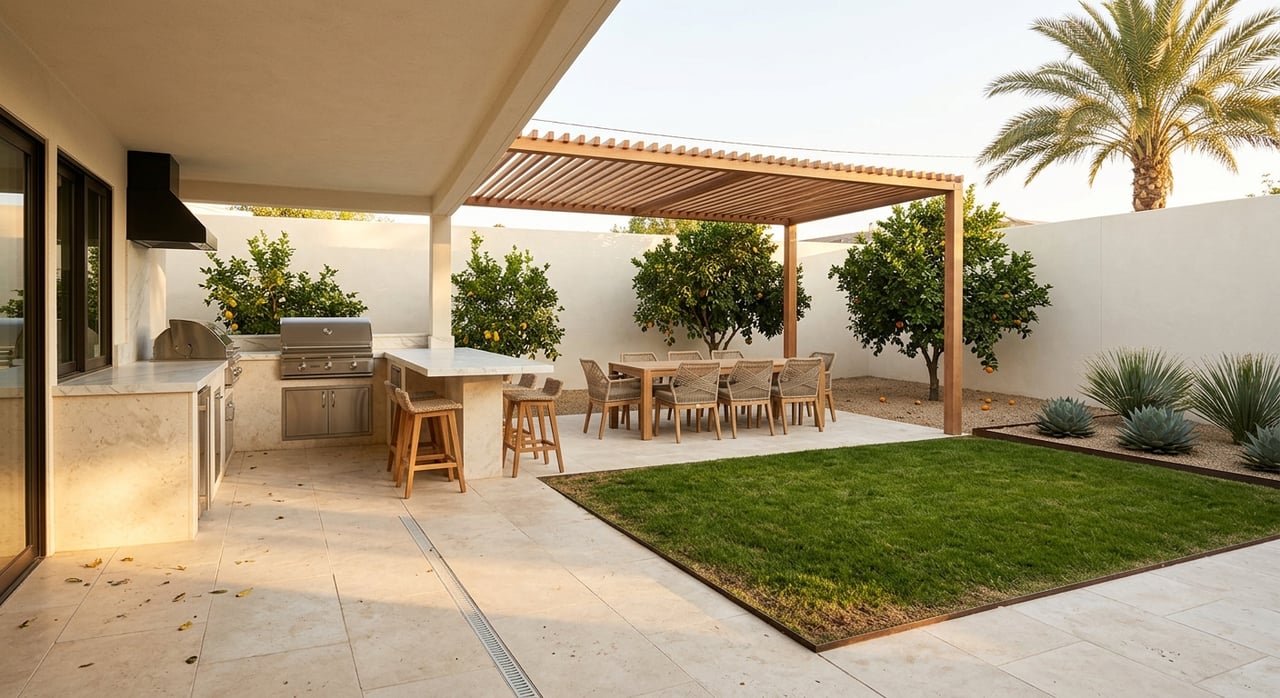
If you have ever wondered why Arcadia feels different from so many other Phoenix neighborhoods, the answer often starts outside. The trees are fuller, the lots often feel broader, and backyard spaces seem woven into daily life rather than added as an afterthought. When you understand Arcadia’s citrus roots, you can better see why its outdoor living culture still feels so natural today. Let’s dive in.
Arcadia’s outdoor story starts with citrus
Arcadia’s identity grew from irrigated orchard land and large estate parcels, not standard suburban subdivision planning. City of Phoenix historic records show the area first appeared through Citrus Homes in 1915, followed by the original Arcadia plat in 1919.
Those early plats were laid out as relatively large five- to ten-acre lots. They were marketed as small citrus orchards for buyers who wanted a rural estate setting with room to live outdoors.
That early framework still matters today. It helps explain why Arcadia often feels more open, more layered, and more tied to the land than nearby areas built on a tighter lot pattern.
Why Arcadia lots often feel larger
One of the clearest links to Arcadia’s past is lot size. According to the Phoenix historic residential survey, the neighborhood was originally platted as estate-style land and small citrus orchards, with parcels measured in acres rather than typical city lots.
A related City of Phoenix planning document notes that the area was originally limited to one house per five acres, with large setbacks around parcels. That low-density approach shaped the rhythm of the neighborhood and helped preserve a sense of breathing room that many buyers still value.
For you as a buyer or homeowner, that often translates into more flexible outdoor space. It can mean longer driveways, deeper backyards, room for gardens or patios, and a stronger sense of separation between the home and the street.
The irrigation legacy still shapes Arcadia
Arcadia’s green character did not happen by accident. The original developers formed the Arcadia Water Company, built pumping plants, and planned an underground irrigation system to make citrus groves viable, according to City of Phoenix records.
That irrigation legacy is part of why Arcadia developed a reputation for lushness in a desert region. Over time, mature plantings, citrus trees, and shade-rich landscapes became part of the neighborhood’s visual identity.
This history also gives context to what people love about Arcadia now. The greenery is not just decorative. It reflects the neighborhood’s original logic of land, water, and outdoor use working together.
Why Arcadia feels so green
Arcadia Camelback planning materials describe the area as a mature neighborhood with a distinct landscape character and a uniform quality of homes. The city’s stated policy goal is to preserve the residential character of the district and maintain very low density.
That combination matters. Mature trees plus lower-density planning create a neighborhood experience that feels calmer, softer, and more shaded than what many people expect in Phoenix.
The City of Phoenix also describes shade as critical infrastructure in the hottest large city in the country. Its urban forestry guidance emphasizes maintaining and expanding canopy, while water-conservation guidance recommends shade trees and low-water-use or native-Arizona plant varieties for desert landscaping.
In practical terms, Arcadia’s appeal often lives in that balance. You get a neighborhood known for greenery and shade, while still living in a climate where thoughtful planting choices matter.
Backyards here feel tied to the land
Arcadia’s outdoor spaces often feel more custom to the site than cookie-cutter. The Phoenix historic survey notes that Arcadia Estates was replatted by a landscape gardener who designed lots to conform to the contour of the hilly land.
That helps explain why many backyard spaces in Arcadia feel especially layered. Grade changes, mountain views, mature trees, and the placement of patios or garden rooms often seem connected to the land rather than forced onto it.
For you, that can make a big difference in how a property lives day to day. A backyard that works with the site tends to feel more private, more comfortable, and more visually grounded.
Backyard living is part of Arcadia culture
Arcadia’s love of outdoor living is not just visible behind private gates. It is part of the neighborhood’s broader rhythm. Visit Phoenix describes Arcadia as leafy and historic, known for citrus groves, mid-century ranch homes, and orange blossoms.
That same local guide highlights the Arizona Canal as a recreation corridor and points to the Arcadia stretch of the Arizona Canal Trail as a favorite for biking, jogging, and strolling. It also emphasizes outdoor patios at neighborhood restaurants, reinforcing how al fresco living is part of everyday life here.
Taken together, those details paint a clear picture. In Arcadia, outdoor space is not simply an amenity. It is part of how the neighborhood functions and how people experience it.
Outdoor features that fit Arcadia best
When a home feels true to Arcadia, its outdoor features usually connect back to the neighborhood’s orchard-and-estate history. The strongest examples are not flashy for the sake of being flashy. They feel rooted in place.
Features that align well with Arcadia’s story often include:
- Mature shade trees
- Citrus or fruit trees where irrigation allows
- Covered patios
- Pools designed for regular use and entertaining
- Garden rooms or layered landscape zones
- Casual gathering spaces for indoor-outdoor living
These choices make sense because they echo the neighborhood’s original pattern of spacious lots, planted landscapes, and outdoor-centered living. In a luxury setting, they can also strengthen how a property presents to buyers who want both beauty and livability.
What this means for buyers
If you are considering Arcadia, it helps to look beyond square footage and finishes. The outdoor setting is often a major part of a home’s value and lifestyle appeal.
You may want to pay close attention to lot layout, shade coverage, irrigation context, privacy, and how the backyard connects to the home’s main living spaces. In Arcadia, those details can shape daily comfort just as much as the interior design.
It is also worth noticing whether a property feels connected to the neighborhood’s character. Homes that reflect Arcadia’s landscape story often stand out because they feel authentic to the setting, not generic.
What this means for sellers
If you are preparing to sell in Arcadia, your outdoor spaces deserve more than a quick cleanup. Buyers are often responding to a larger lifestyle story here, one tied to citrus heritage, shade, scale, and backyard living.
That means presentation matters. A well-composed patio, a pool area that feels inviting, or a landscape that highlights mature trees and layered outdoor rooms can help buyers understand how the home lives.
For high-end properties, this is where editorial presentation can make a real difference. When a home’s outdoor experience is thoughtfully styled and clearly photographed, it becomes easier to communicate what makes the property feel distinctly Arcadia.
Arcadia is more than a luxury label
It is easy to reduce any well-known neighborhood to price point or prestige. But Arcadia’s lasting appeal comes from something more specific: a long agricultural and estate history that still shapes how the neighborhood looks and feels.
The citrus groves, irrigation systems, larger parcels, and emphasis on shade created a setting where backyard living could become part of daily life. Today’s pools, patios, and entertaining spaces are best understood as a continuation of that story.
If you are buying or selling here, that perspective matters. It helps you see Arcadia not just as a collection of beautiful homes, but as a neighborhood where place, landscape, and lifestyle remain closely connected.
If you are thinking about buying or selling a home in Arcadia, working with an advisor who understands how lifestyle, presentation, and neighborhood context come together can make all the difference. To start a private conversation, connect with Adrian Heyman.
FAQs
Why do homes in Arcadia often have larger lots?
- Arcadia was originally platted as rural estate land and small citrus orchards, with parcels commonly laid out in five- to ten-acre lots rather than standard city lot sizes.
Why does the Arcadia neighborhood feel greener than other Phoenix areas?
- Arcadia’s mature trees and irrigation legacy are central to its character, and City of Phoenix guidance supports the use of shade trees and low-water landscaping that help sustain that look.
What outdoor features match Arcadia’s historic character?
- Features that best fit Arcadia’s story include mature shade trees, citrus or fruit trees where irrigation allows, pools, covered patios, garden rooms, and casual entertaining areas.
How does the Arizona Canal relate to Arcadia outdoor living?
- The Arizona Canal serves as a recreation corridor in Arcadia and supports the neighborhood’s outdoor rhythm through activities like walking, jogging, and biking.
Why is Arcadia backyard living such a strong part of the neighborhood identity?
- Arcadia’s backyard culture reflects its original orchard-and-estate planning, where spacious lots, irrigation, shade, and outdoor use were built into the neighborhood from the beginning.