What makes an Arcadia home feel truly special? Often, it is not just the updated kitchen or beautiful bath. It is the way a home keeps its original soul while delivering the comfort, function, and polish you want today. If you are thinking about buying, renovating, or selling in Arcadia, understanding that balance can help you make smarter design choices and protect long-term value. Let’s dive in.
Why Arcadia’s Character Matters
Arcadia stands out for its established setting, mature landscaping, and older housing stock in the Camelback East area of Phoenix. City planning materials also show a clear goal for the area: preserve residential character and keep density low. That makes Arcadia a neighborhood where original design details still matter.
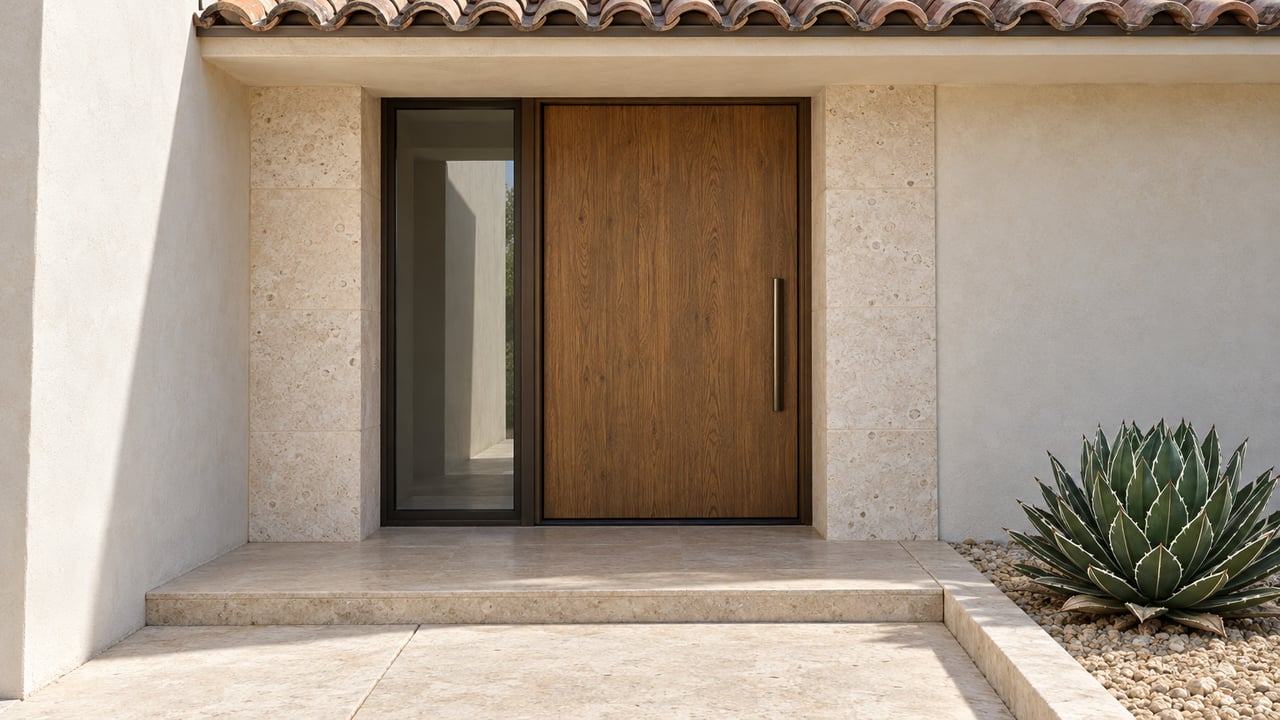
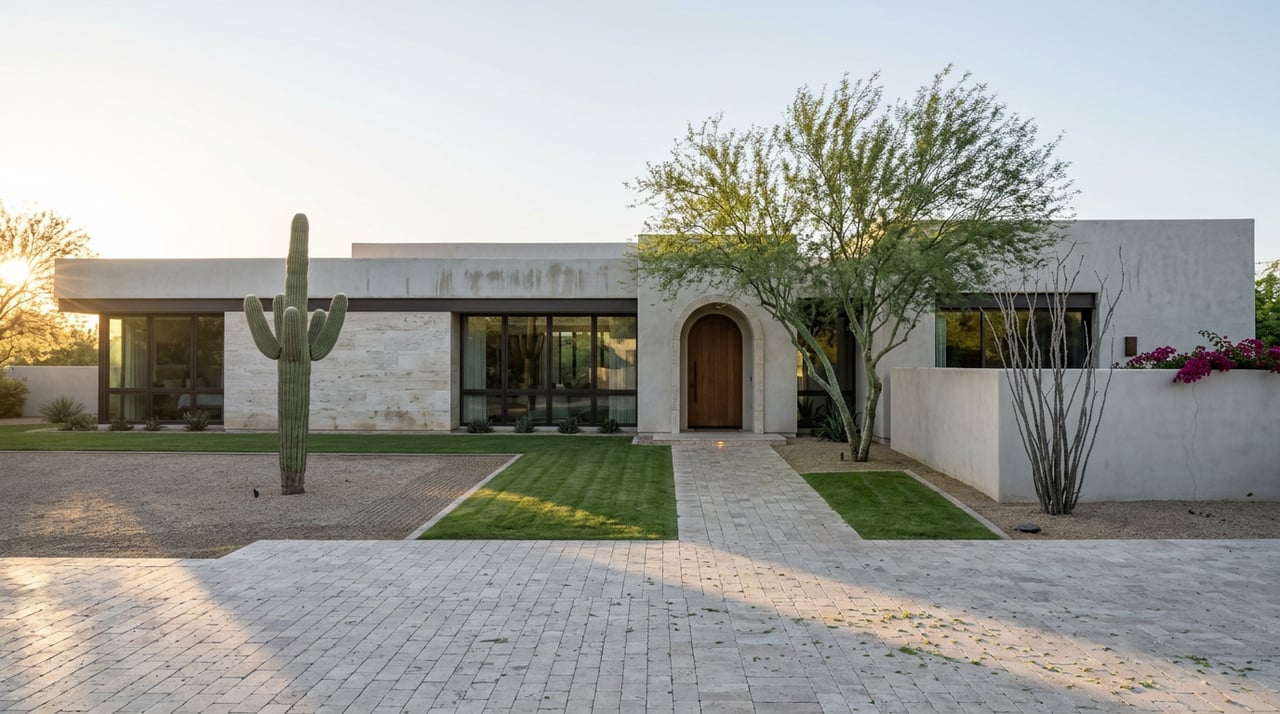
The area’s early homes include Monterey Revival, Pueblo Revival, and Spanish Colonial Revival styles. Across those homes, the recurring features are easy to recognize: stucco walls, clay tile roofs, casement windows, courtyards, balconies, exposed rafters, low walls, and mature landscaping. In other words, Arcadia charm is rooted in proportion and restraint, not excess.
That is a big reason this topic matters in today’s market. Arcadia continues to hold premium positioning, with Realtor.com reporting a median listing price of about $1.8 million and a median listing price per square foot of $641, while Redfin reported a May 2026 median sale price of $1,324,554 and average days on market of 56. These are different types of market snapshots, but together they reinforce how valuable thoughtful presentation can be here.
What to Preserve First
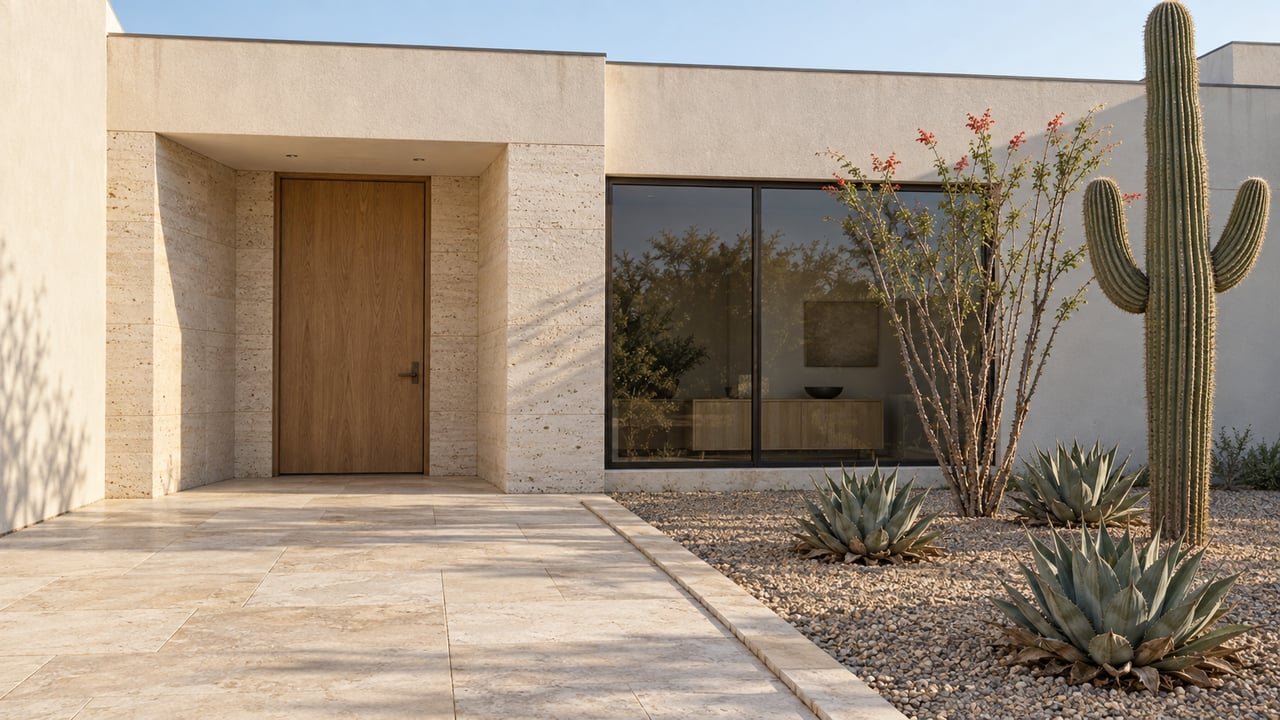
If you want to modernize an Arcadia home without stripping away what makes it appealing, start with the exterior identity. In many cases, the most important pieces to retain are the roofline, eave treatment, window proportions, stucco or masonry surfaces, porch or courtyard scale, and mature shade trees. Those details help a home stay visually connected to the neighborhood’s architectural story.
Phoenix preservation guidance also supports this approach. The city emphasizes retaining original historic fabric where possible, protecting character-defining features, and using in-kind replacement when preservation is not practical or cost-effective. For many Arcadia properties, that means improving what is already there instead of replacing it with something louder or less grounded.
A tasteful remodel in Arcadia usually feels edited, not overworked. You want the home to look like the best version of itself, not like it was transplanted from another market or trend cycle.
Where Modern Luxury Belongs
In Arcadia, modern luxury tends to work best when it is felt more than announced. The exterior can remain calm and rooted in the home’s original style, while the interior delivers the comfort and performance buyers expect today. That often means better light, stronger flow, higher-quality materials, and smarter storage.
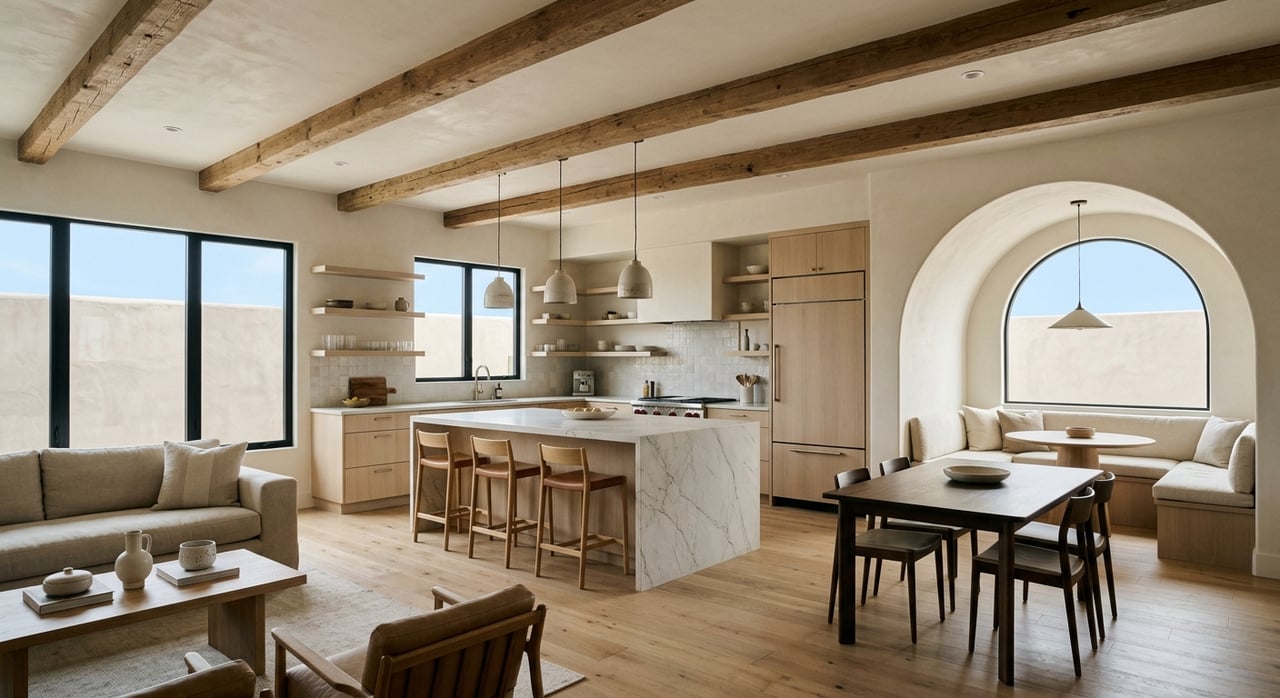
Current kitchen and bath trend reporting points toward a quieter, more timeless kind of luxury. Designers are leaning toward warm neutrals, natural woods, natural stone, concealed storage, panel-ready appliances, and improved lighting. In bathrooms, the focus is shifting toward spa-like function, calming materials, and better layout efficiency.
For Arcadia, this is a strong fit. The neighborhood’s design language already favors simplicity, so luxury finishes should feel custom and refined rather than flashy.
Kitchen Updates That Fit Arcadia
A well-updated Arcadia kitchen should feel elevated without competing with the architecture. That usually means natural stone or similar stone surfaces, warm wood cabinetry, simple backsplashes, and integrated appliances that keep sightlines clean. Hidden prep zones and walk-in pantry or scullery concepts can also help the kitchen look polished while improving everyday use.
Houzz and NKBA trend coverage also points to polished marble, walnut tones, plaster details, brass accents, and multifunctional appliances. In practice, those materials work best when they are layered with restraint. You are aiming for warmth, texture, and craftsmanship, not visual noise.
If the home has a more traditional exterior, a transitional kitchen often lands best. It respects the home’s roots while still delivering a fresh, high-end experience that feels current to today’s buyer.
Bathroom Finishes That Feel Timeless
Bathrooms are another place where Arcadia homes can quietly gain luxury. Current trends favor calming stone, warm wood, curbless showers, improved storage, accessibility-minded features, and better lighting. Instead of highly themed designs or overly ornate tile patterns, the direction is more relaxed and wellness-focused.
That matters because luxury buyers often respond to spaces that feel easy to live in. A bathroom that feels serene, bright, and thoughtfully laid out will usually have broader appeal than one built around a short-lived design statement. In Arcadia, that understated approach also aligns better with the neighborhood’s architectural character.
When done well, a bath update feels like a daily lifestyle upgrade. It brings comfort and polish into the home without distracting from the original structure.
Floor Plans That Respect the Home
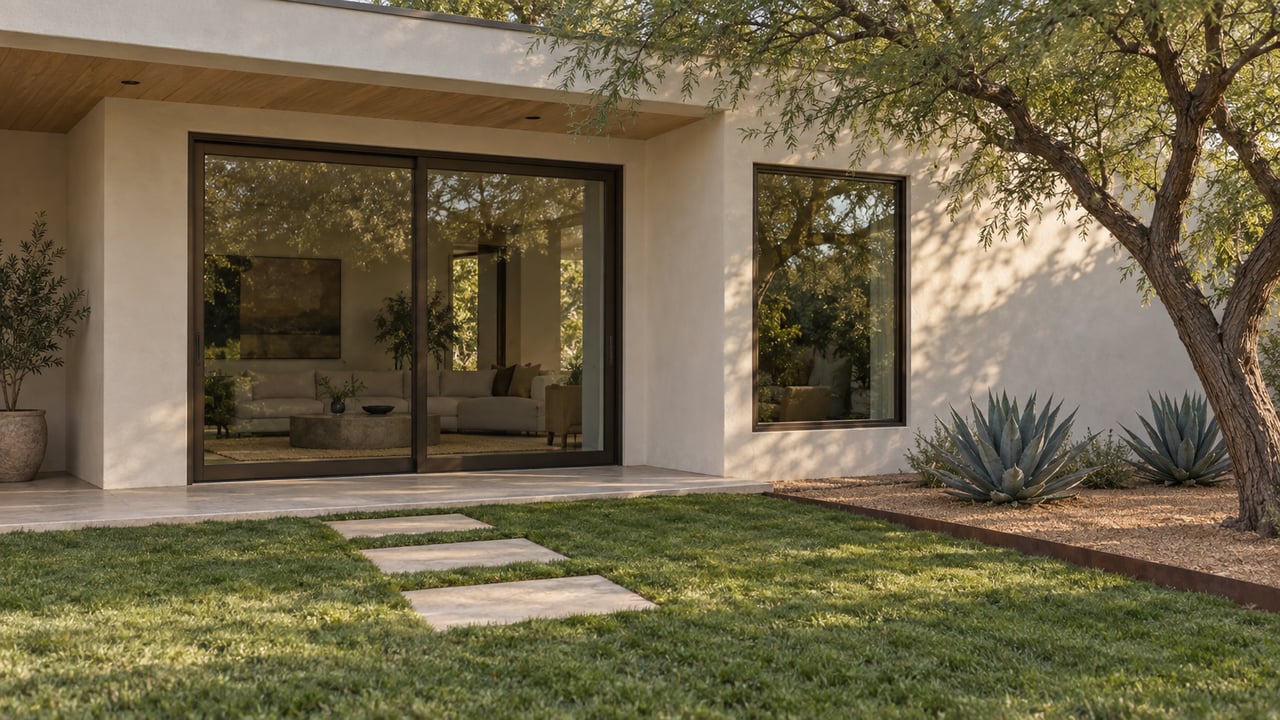
One of the smartest ways to modernize an older Arcadia property is to make selective floor-plan changes instead of radical ones. Often, the biggest gains come from improving the kitchen-to-family-room connection, creating stronger indoor-outdoor flow, and making the primary suite more functional. These changes can make a home live much better while keeping its front elevation and overall massing intact.
That strategy matches both local preservation logic and buyer expectations in Arcadia. People are often drawn to the neighborhood because of its established setting and architectural identity. Updating the way a home functions is usually more effective than trying to erase what made it special in the first place.
A remodel does not have to be dramatic to feel transformative. In many Arcadia homes, the right wall opening, storage plan, or circulation fix can have a bigger impact than a full stylistic overhaul.
Outdoor Living in the Phoenix Climate
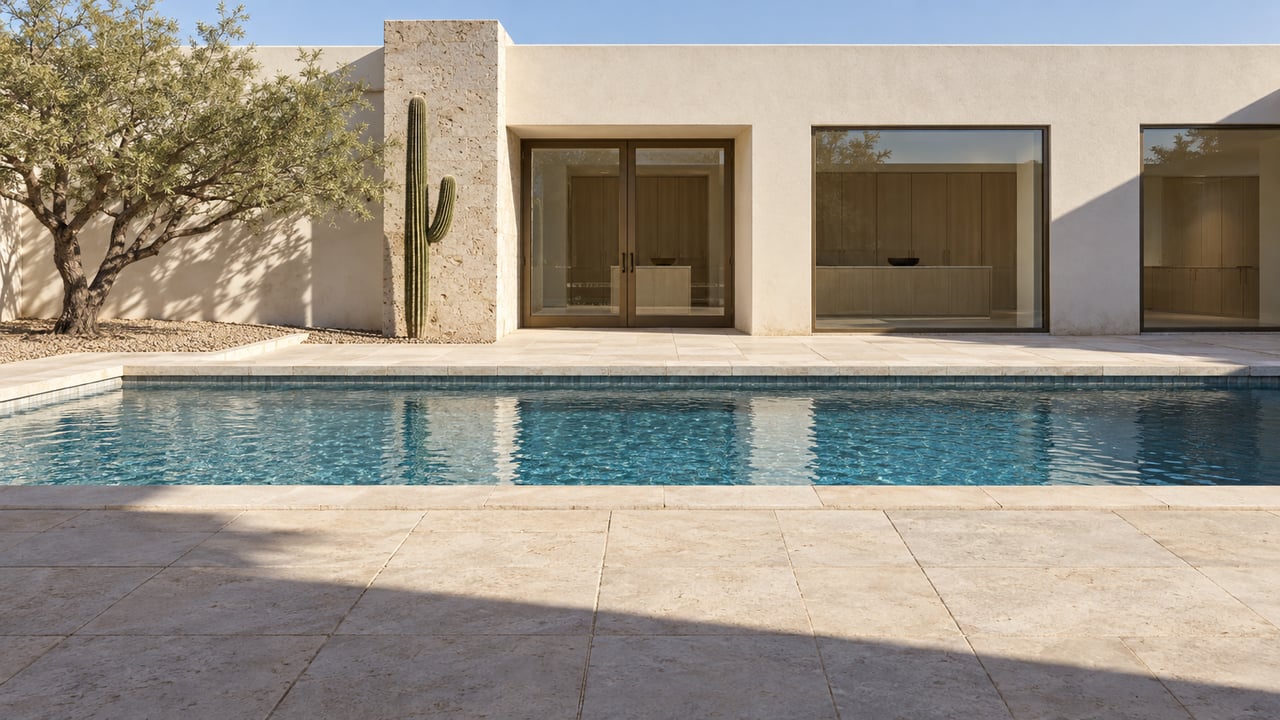
Outdoor updates in Arcadia should be guided by both design and desert practicality. In Phoenix, shade is a real livability issue, with the city noting that shade can make up to a 30-degree difference during the hottest months. That makes covered patios, deep overhangs, mature trees, and thoughtfully oriented glazing more than aesthetic upgrades.
Landscape choices also matter. Phoenix recommends low-water-use, desert-adapted planting because many outdoor plants are not well suited to local conditions. In Arcadia, that can translate into outdoor spaces that feel lush and comfortable while still being more practical for the climate.
The best outdoor living areas extend the home’s architecture rather than compete with it. A shaded courtyard, well-scaled patio, or carefully framed backyard can reinforce Arcadia charm while making the property feel far more usable year-round.
Permits and Historic Review to Know About
Before you start exterior work, it is important to understand whether approvals may be required. Phoenix states that if a property is on the Phoenix Historic Property Register or within a historic district overlay, exterior work may require Historic Preservation Office review and either a Certificate of No Effect or Certificate of Appropriateness. Interior work that does not affect the exterior generally does not require HPO review.
Even outside historic overlays, many residential remodels and additions still require permits in Phoenix. That can include garage or carport construction or conversion, porch enclosures, patio covers, fences and walls, room additions, wall removals, and some plumbing changes. By contrast, painting, flooring, and kitchen cabinet replacement in the same location typically do not require a permit if there are no structural or new electrical changes.
This is one reason design planning matters so much in Arcadia. A beautiful idea still needs to align with city requirements, especially when exterior character is involved.
What Buyers and Sellers Should Take Away
If you are buying in Arcadia, it helps to look past surface-level finishes and ask whether a home preserved the right things. A flashy remodel may catch your eye at first, but the homes that tend to age best are the ones that keep their original architectural identity while improving function, materials, and comfort.
If you are preparing to sell, thoughtful updates can shape how buyers experience your home from the first photo through the final showing. In a premium market like Arcadia, curated presentation matters, but so does architectural credibility. Buyers often notice when a renovation feels aligned with the home and when it does not.
The strongest results usually come from restraint, quality, and a clear understanding of what should stay and what should improve. That is where local perspective becomes especially valuable.
When you are evaluating an Arcadia property, preparing a home for market, or thinking through renovation potential, working with an advisor who understands both design nuance and buyer expectations can make the process much clearer. For tailored guidance on Arcadia homes and presentation strategy, connect with Adrian Heyman.
FAQs
What original features should you preserve in an Arcadia renovation?
- The most important features to protect are usually the roofline, eave details, window proportions, stucco or masonry surfaces, porch or courtyard scale, and mature landscape structure.
What luxury finishes work best in Arcadia homes?
- Finishes that usually fit best include natural stone, warm wood cabinetry, concealed storage, panel-ready appliances, refined lighting, and spa-like bath materials with a calm, timeless look.
What floor-plan changes make sense for older Arcadia homes?
- Selective updates often work best, such as opening the kitchen to living spaces, improving indoor-outdoor flow, and making the primary suite more functional without changing the home’s overall massing.
What Phoenix approvals might affect an Arcadia remodel?
- Many remodels and additions require Phoenix permits, and if a home is listed on the Phoenix Historic Property Register or within an HP or HP-L overlay, exterior work may also require historic review and city approval.
Why is shade such an important design feature for Arcadia homes?
- Phoenix says shade can make up to a 30-degree difference in the hottest months, so mature trees, covered patios, deep overhangs, and thoughtful glazing orientation can significantly improve comfort and usability.