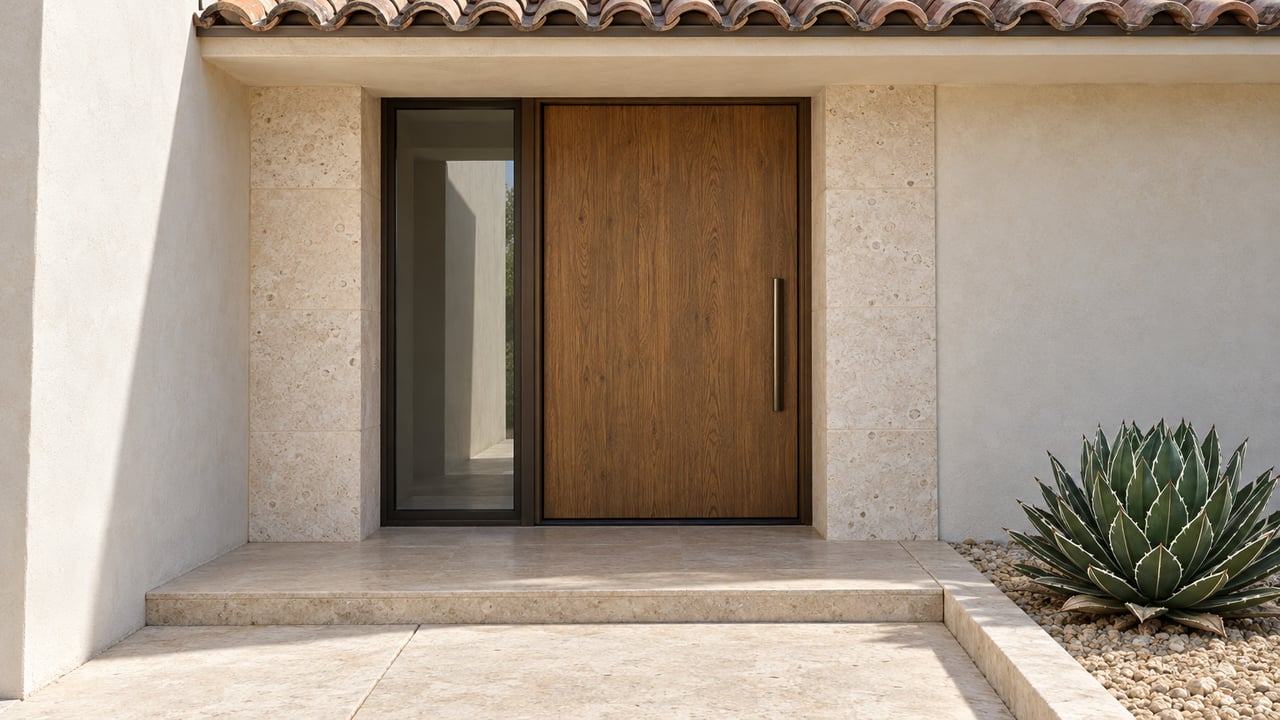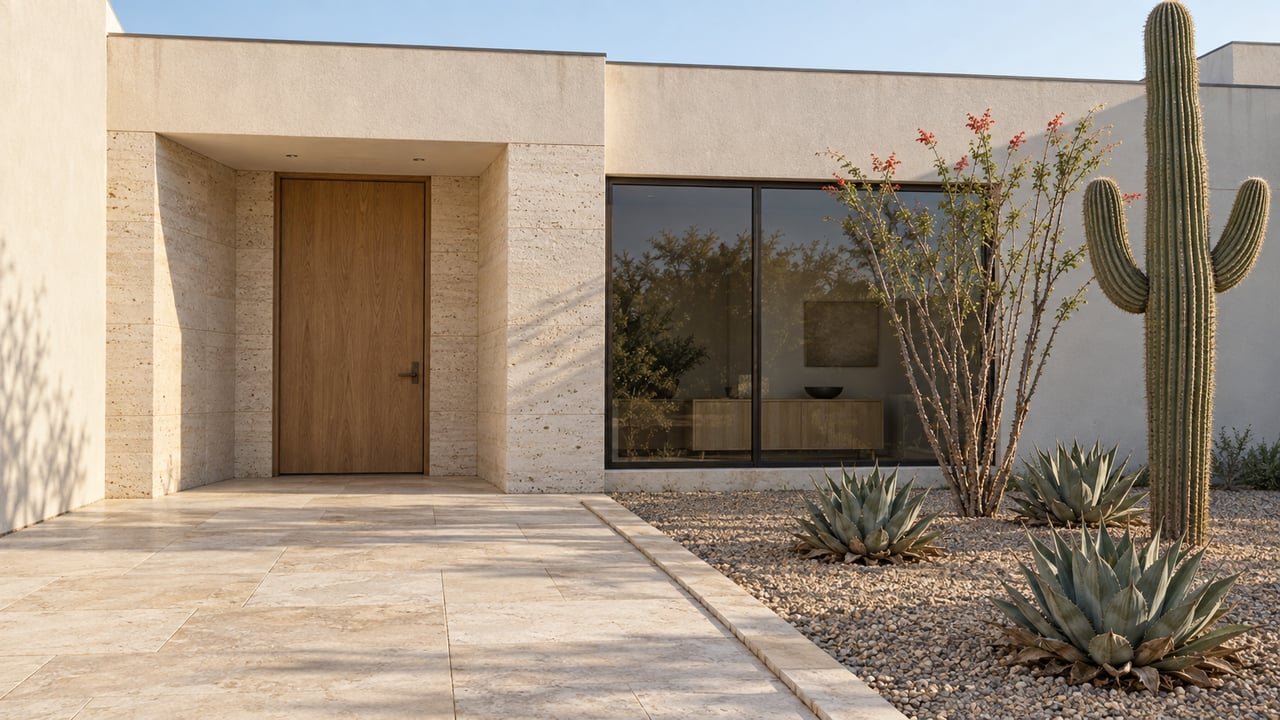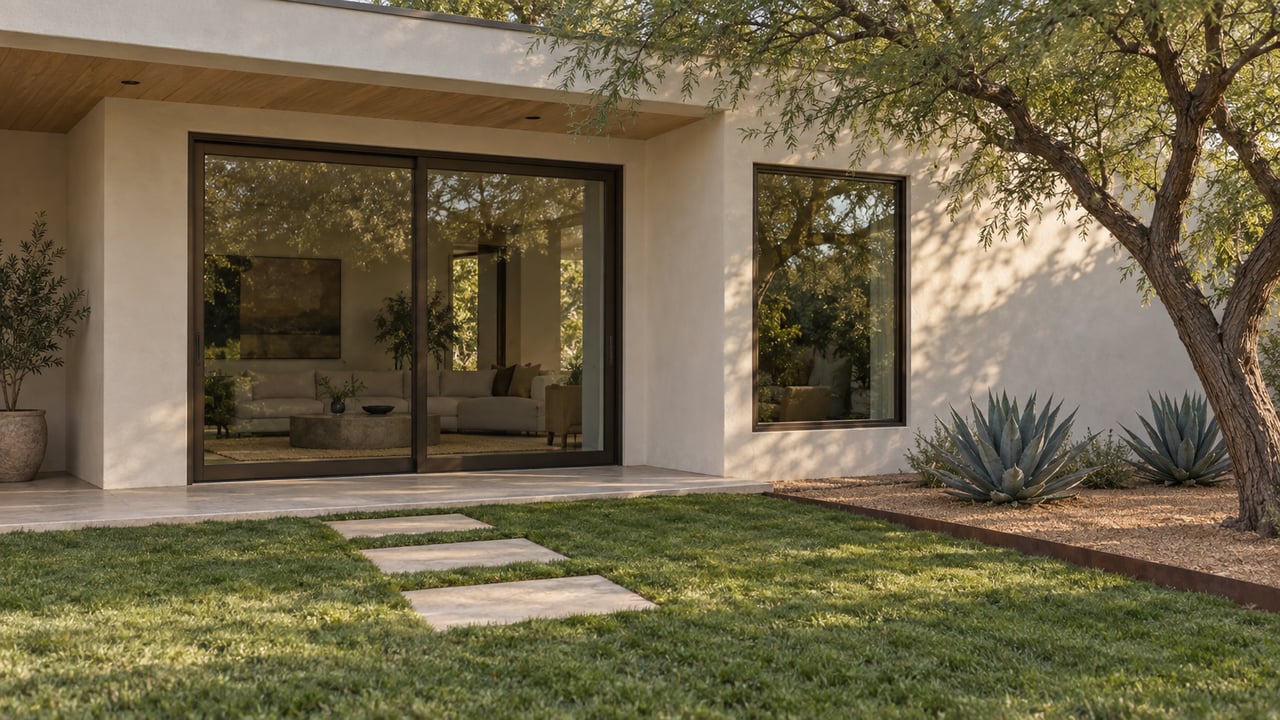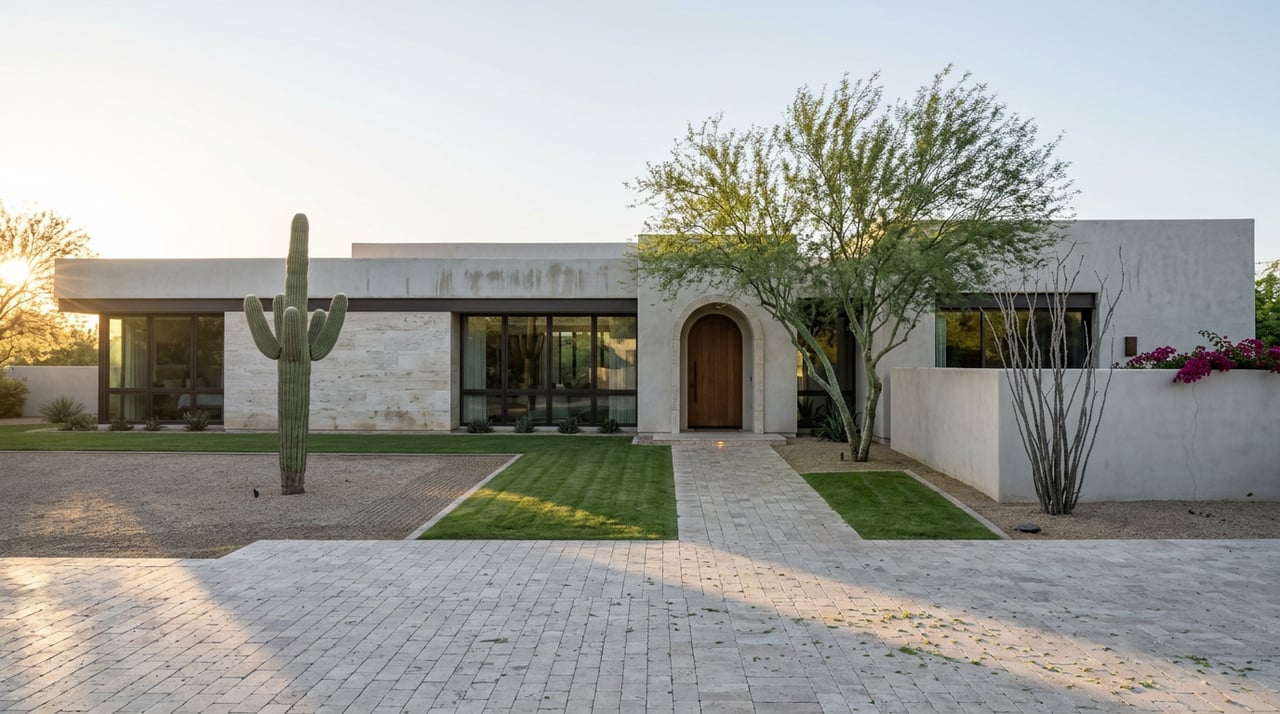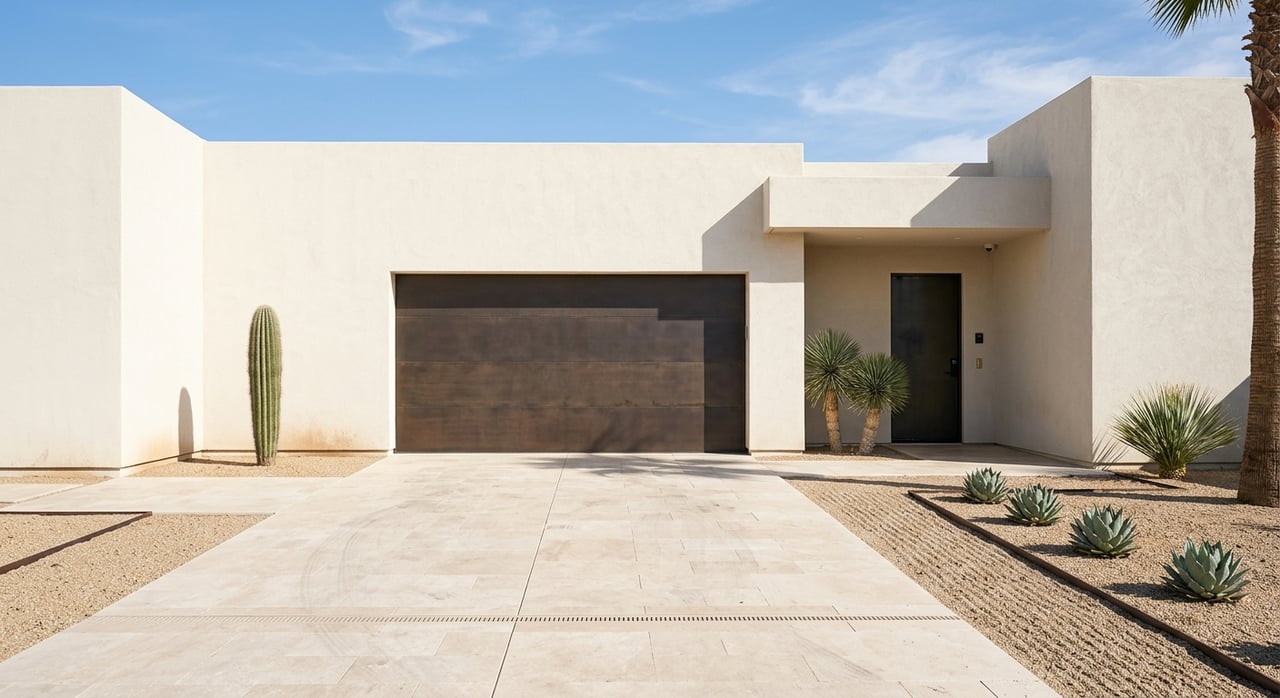
Picture locking your front door, heading to Sky Harbor, and not thinking about your home again until you return. In Paradise Valley Village, that peace of mind takes more than a good alarm. Extreme heat, monsoon bursts, and dust can turn small issues into big problems when you are away. This guide shows you what to look for in a true lock-and-leave home, plus the verification steps that protect you before and after closing. Let’s dive in.
Start with jurisdiction
Before you fall in love with a property, confirm which "Paradise Valley" you are buying in. Paradise Valley Village is inside the City of Phoenix, while the Town of Paradise Valley is a separate municipality next door. Rules for utilities, permits, and certain property operations differ. Begin by checking the parcel’s city on the tax record, or review the City’s overview of Paradise Valley Village.
Why this matters to you:
- Service providers and rebate programs vary by municipality, so eligibility and response options can change by address.
- Short-term rental oversight and permitting are handled at the town or city level, and HOA rules can be stricter than municipal rules.
- If a property is actually in the Town of Paradise Valley, review the Town’s resources for neighbors and short-term rentals and confirm any HOA restrictions during due diligence.
Security you can manage anywhere
For a true lock-and-leave, build your security plan around monitored, redundant systems rather than Wi‑Fi alone.
- Choose a professionally monitored alarm with cellular backup, not just internet. Platforms that integrate locks, cameras, and sensors with role-based access make remote ownership easier, as described in Alarm.com’s disclosures.
- Look for cloud video with person/vehicle detection and adjustable retention. This reduces false alarms and preserves evidence when needed.
- Prefer a strong perimeter and controlled access: walled or gated lots, smart locks with time-limited codes, and the ability to grant vendor access without sharing your master credentials.
What to verify on a showing:
- Ask for the monitoring contract, including cellular backup details and termination terms.
- Confirm the current owner can transfer admin access for the alarm and cameras to you at close.
- Test a guest code or temporary access to confirm it works as described.
Smart-home backbone, not gadget sprawl
A lock-and-leave home should run on a central app or interoperable stack so you are not juggling separate logins.
- Aim for one control hub that ties together locks, cameras, garage, lights, thermostats, and ideally pool and irrigation monitoring. Many platforms support scenes like “vacation” to arm security, adjust HVAC, and secure entries at once, as noted in Alarm.com’s platform overview.
- Install smart thermostats that send alerts for high temperature, loss of cooling, or AC faults. In our climate, equipment failure during extreme heat is the top risk.
- Ensure battery backup for critical hubs and a cellular communicator for the alarm so monitoring continues if the internet drops.
Agent or buyer tip: Ask the seller to demonstrate the app and share screenshots of the system status page. Confirm who holds admin rights and how transfer works.
Plan for monsoon and heat
Phoenix’s monsoon typically runs from mid-June through September, bringing gusty outflows, dust, lightning, and fast-moving downpours. The region also sees many 100-plus-degree days each year. These conditions change what you should prioritize.
- Check grading and drainage. Favor positive grading, working swales, and permeable hardscape to move water away from the home during sudden storms, as outlined by the National Weather Service.
- Choose exterior hardware rated for dust and weather, and position cameras and sensors to avoid direct blow-in during outflows.
- Arrange service contracts with 24–48-hour response for HVAC and pool systems. In our climate norms, extended downtime is costly and can cause damage, per NWS climate data.
Water risk and leak protection
Undetected leaks are among the most expensive claims for absentee owners. Insurers often apply limits on coverage when a home is vacant for long periods unless you have mitigations in place.
- Install a whole-home water monitor with automatic shutoff. Devices like Flo by Moen learn your usage patterns and can stop a burst pipe automatically.
- Add wireless leak sensors under sinks, near water heaters, at the laundry, and at the pool equipment pad for early alerts.
- Confirm whether the property is on municipal sewer or septic and review service history. If septic applies, schedule routine checks when you are away.
- Ask your insurer about vacancy time limits and how monitored alarms, water shutoff, and regular inspections affect coverage. The Insurance Information Institute explains common rules in its guidance on vacant-home insurance.
Pools and exterior systems that behave while you travel
Pools are a lifestyle essential here, and they can be simple to manage if the equipment is set up for remote oversight.
- Prefer pool automation with app-based monitoring and vendor access. Systems from major manufacturers allow remote checks on temperature, pump status, and chemical controllers, as described in Pentair’s overview of automation options.
- Consider an automatic safety cover to enhance safety and reduce evaporation when you are away. Properly installed covers meet ASTM standards and reduce energy loss, according to Coverstar’s safety guidance.
Verification steps:
- Request 12 months of pool equipment service history and any alert logs.
- Confirm who controls remote access and how your pool contractor will receive alerts.
- Make sure your service plan includes emergency callouts during monsoon or extreme heat.
Landscape and irrigation built for the desert
A low-touch landscape keeps a home travel-ready.
- Look for desert-adapted plants paired with drip irrigation and a weather-smart controller. These reduce water use and minimize frequent adjustments when conditions shift.
- If a property includes large turf areas, ask about local water provider programs. Some utilities offer workshops or rebates for water-efficient upgrades. For example, Scottsdale Water highlights HOA and multifamily conservation programs. Always confirm eligibility for your specific address.
What to collect during escrow:
- The irrigation controller model and whether it uses local weather data.
- The last 12 months of water use and irrigation service history to spot leaks or outliers.
Power, internet and solar readiness
Reliability is everything when you are away. Design your setup so critical systems stay connected.
- Ask for dual internet paths or an LTE backup on the security hub so monitoring remains active during outages, a capability supported by platforms noted in Alarm.com’s filings.
- If the home has solar and batteries, confirm monitoring access, warranties, and whether alerts can route to you and your preferred contractor. Utility interconnection rules vary by provider, so verify requirements for the specific parcel.
Flood risk and due diligence
Even in the desert, localized flooding can occur during intense monsoon bursts. Lenders may require flood insurance in certain zones.
- Check FEMA’s Map Service Center during due diligence to determine whether a property sits in a Special Flood Hazard Area. Start with FEMA’s guide to flood maps and FIRMs.
- Factor elevation, local washes, and existing drainage plans into your evaluation. Confirm any needed grading or mitigation.
Insurance, HOAs and rentals
Every lock-and-leave plan should include insurance and community-rule checks.
- Ask your carrier about vacancy clauses. Many policies limit coverage after 30–60 days of continuous vacancy unless you add an endorsement or use a vacant-home policy. See the Triple‑I overview of vacancy insurance for common expectations.
- Review HOA documents and CC&Rs for rental restrictions, landscape standards, and exterior equipment guidelines.
- If a property is actually in the Town of Paradise Valley, review the Town’s short-term rental resources. Phoenix and the Town manage STRs differently, and HOA rules can be stricter than either.
Show-day checklist
Use this quick checklist to confirm a home is truly lock-and-leave ready:
- Confirm the parcel’s municipality. Start with the City’s Paradise Valley Village page and your tax record.
- Request all active service contracts: alarm monitoring, HVAC maintenance, pool service, irrigation, and any home-watch plan. Confirm transferability and response times.
- Ask for a live or recorded demo of the smart-home app. Verify admin rights, cellular backup, event logs, and push/SMS alerts.
- Confirm water mitigations: whole-home shutoff device, leak sensors at key points, and installation receipts.
- Request 12 months of service history for HVAC, pool equipment, and irrigation. Review any recent roof or equipment invoices.
- Verify flood zone status via FEMA’s resources and account for insurance needs if applicable.
- Discuss vacancy rules with your insurer and plan routine on-site checks if you travel often.
- Review HOA documents for rental and exterior-equipment rules before you commit.
Why your representation matters
In Paradise Valley Village, lock-and-leave living is about planning, not luck. You do not need every bell and whistle, but you do need the right infrastructure and a clean handoff of accounts, warranties, and service relationships. A seasoned local advisor helps you verify jurisdiction, stress-test systems during escrow, and negotiate for the contracts, demos, and records that protect you long after closing.
If you are weighing homes across Paradise Valley Village and neighboring luxury enclaves, connect with a team that knows the subtleties, from drainage plans to app permissions. For tailored guidance or a private list of lock-and-leave candidates, reach out to Adrian Heyman. Schedule a Private Consultation.
FAQs
What does “lock-and-leave” mean in Paradise Valley Village?
- It refers to a home set up for long absences with monitored security, remote controls, water-leak protection, and low-maintenance systems suited to Phoenix’s heat and monsoon pattern.
How do monsoon storms affect remote ownership here?
- Monsoon outflows and downpours can overwhelm poor grading and unprotected hardware, so you should favor solid drainage, weather-rated devices, and service plans, per NWS monsoon guidance.
Which smart-home features matter most for second-home buyers?
- A single control platform with cellular-backed monitoring, smart locks, cameras with cloud recording, and thermostats that alert on AC faults are priority features, as described in Alarm.com’s platform overview.
How do I check flood risk before I buy?
- Use FEMA’s Map Service Center to locate your property on official flood panels and factor any Special Flood Hazard Area into your insurance and drainage plans, starting with FEMA’s flood map guide.
Do I need special insurance if I travel for weeks at a time?
- Many policies limit coverage once a home is vacant for a set period, so ask about vacancy endorsements or dedicated vacant-home policies, per the Insurance Information Institute.
What should I ask for during escrow to ensure a smooth handoff?
- Request monitoring and service contracts, app demos and admin transfer, 12 months of equipment service history, flood zone status, HOA/CC&Rs, and any water-shutoff installation records.