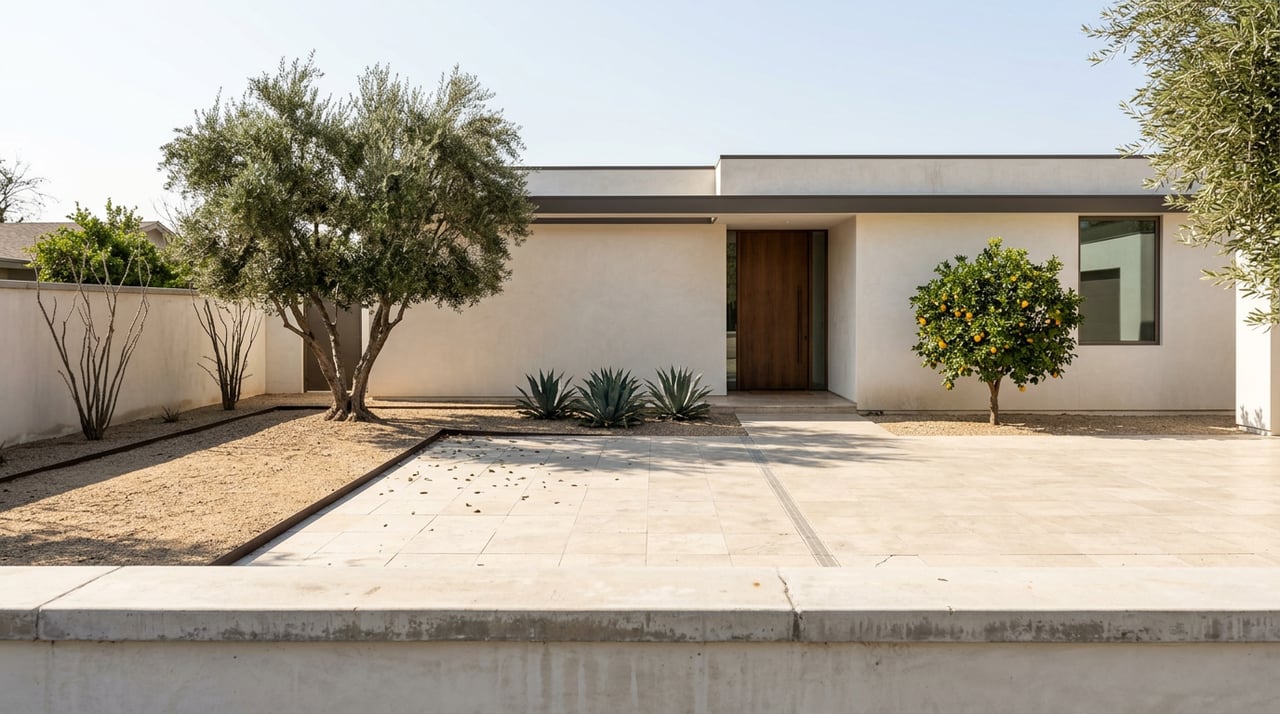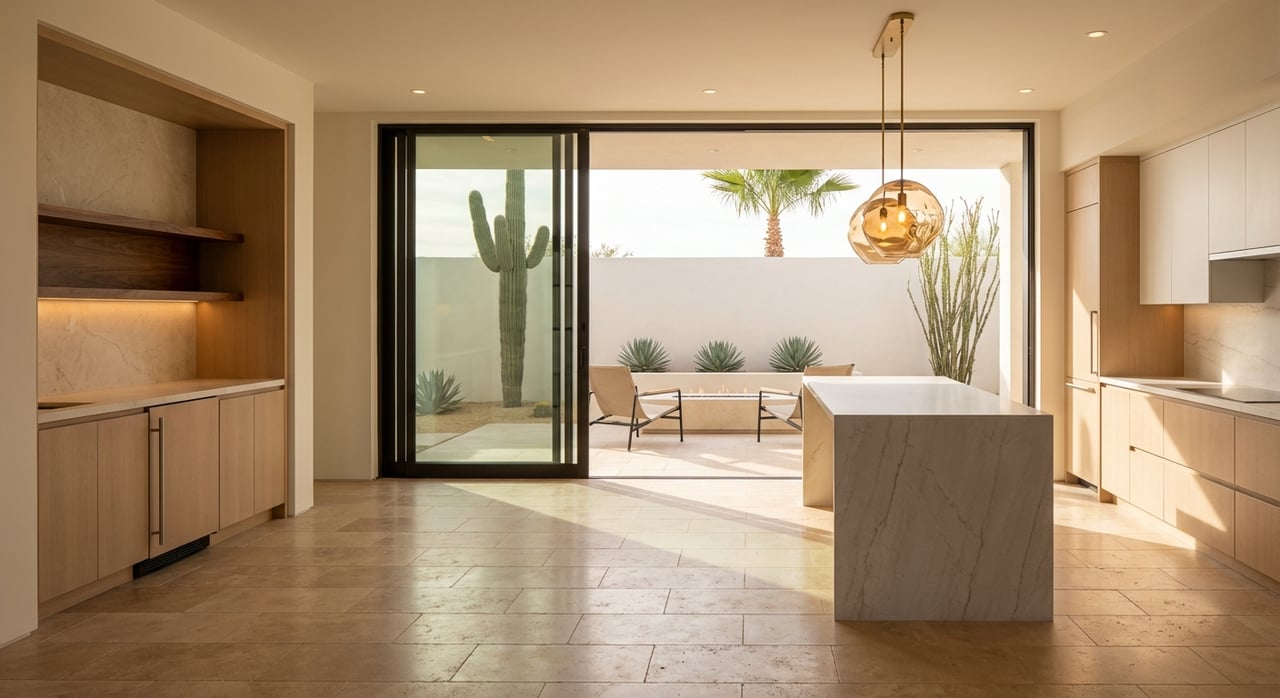
Hosting in Paradise Valley should feel effortless, from a sunset toast by the pool to a late dinner that flows from kitchen to patio. The desert, though, has its own rules. With roughly 294 sunny days a year and July highs around 104°F, you need design that plays smart with shade, airflow, and materials. In this guide, you’ll learn proven design moves that make entertaining easy, comfortable, and resale‑savvy, with notes for both the Town of Paradise Valley and the Phoenix neighborhood called Paradise Valley Village. Let’s dive in.
Climate sets the stage
Paradise Valley’s climate rewards homes that manage sun and heat. The Town cites about 294 sunny days per year and an average July high near 104°F, which means shade, glazing choices, and water‑wise landscape are not optional, they are essential. Plan around monsoon season too, with drainage and covered outdoor areas that can handle quick storms. Start every design decision by asking how it performs in high sun and how it transitions to cooler evenings. Learn more about local conditions from the Town’s climate summary to align your plans with reality.
Market lens: Town vs. Village
If you own in the Town of Paradise Valley, you likely have a larger lot and the market supports resort‑scale amenities. In the Phoenix neighborhood called Paradise Valley Village, lots and budgets often favor well‑edited, space‑smart ideas. Review current pricing on the Paradise Valley market page to calibrate the level of upgrade that fits your property.
- Town of Paradise Valley: Think expansive covered patios, multi‑slide door systems, full outdoor kitchens, and guest casitas that read as private suites.
- Paradise Valley Village: Focus on compact outdoor bars, shade structures that double as dining rooms, and right‑sized glass openings to optimize comfort and value.
Indoor-outdoor flow
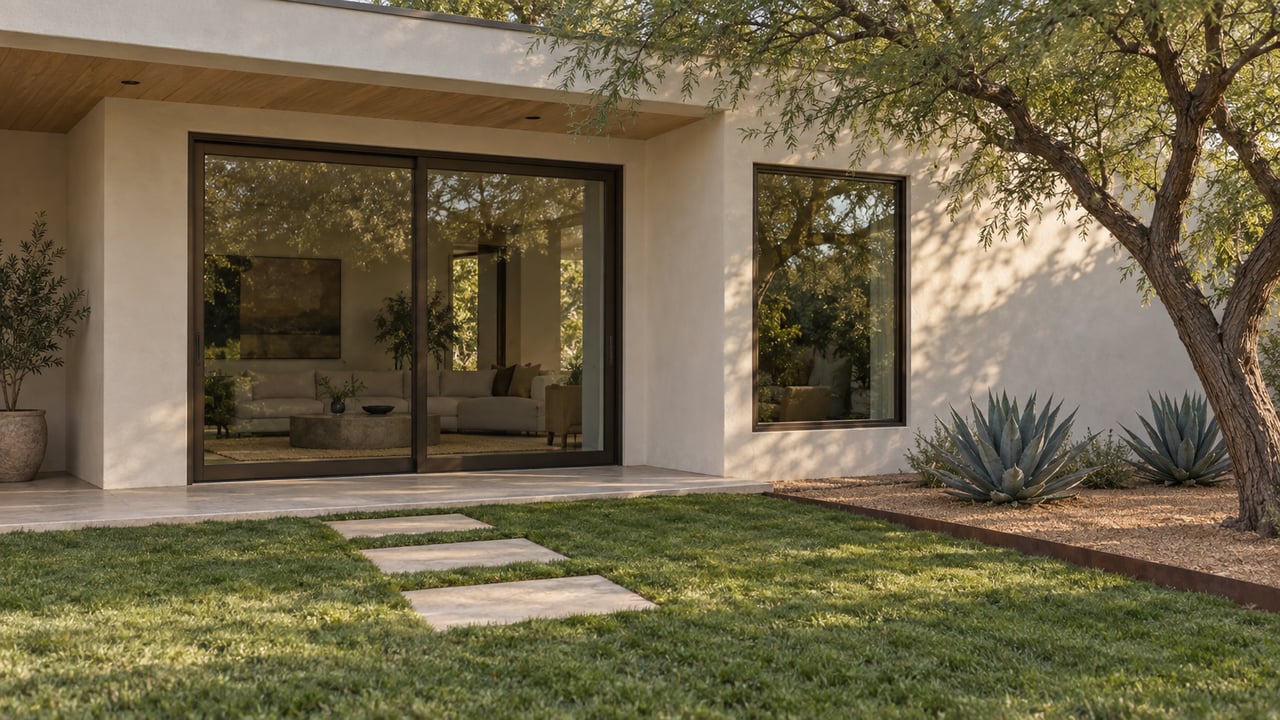
The most valuable entertaining upgrade is a clear, contiguous path between your main living area and the outdoors. Use wide multi‑slide doors, a near‑level threshold, and flooring that visually connects inside and out. Pair that architecture with a shaded patio so guests naturally drift between spaces without battling the sun.
Doors and glazing that work
Select large openings with thermally broken frames and high‑performance glass to keep heat gain in check when closed. On west and south exposures, prioritize low solar heat gain coefficients and spectrally selective low‑E coatings. Tools from Lawrence Berkeley National Lab can guide climate‑specific window choices so you balance views with comfort.
Patios that invite lingering
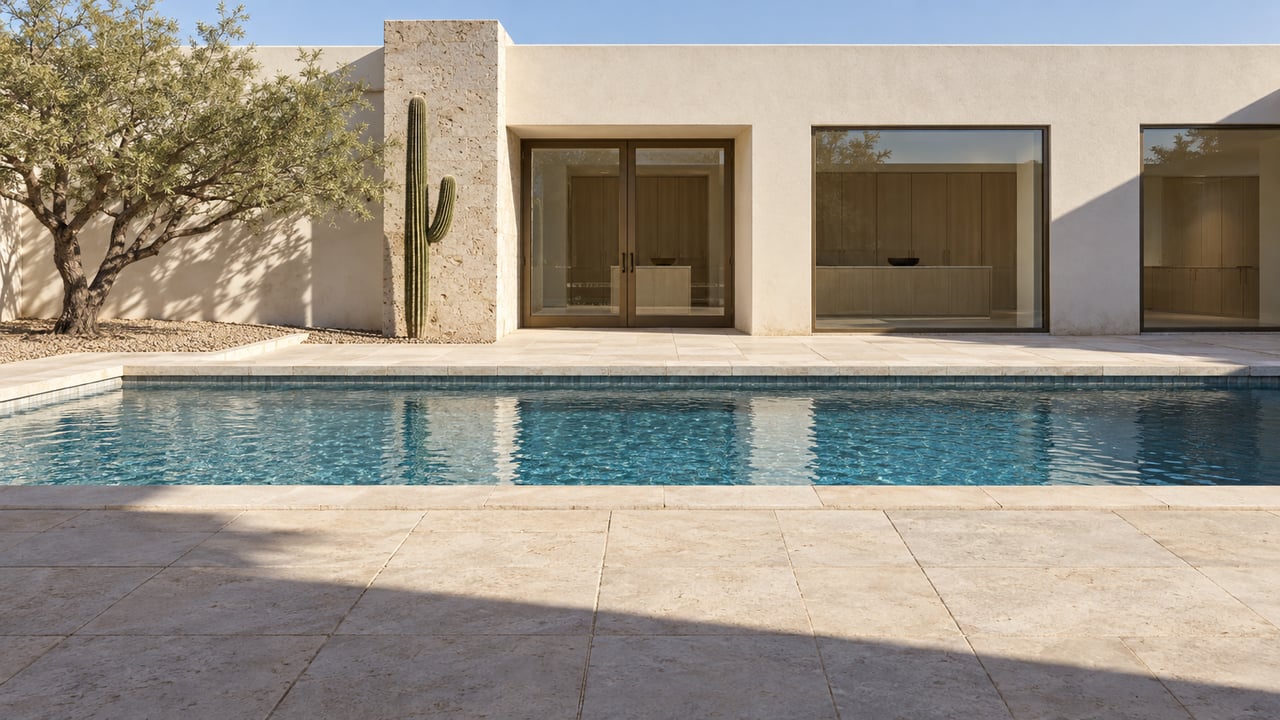
A covered patio is your outdoor living room. Add ceiling fans, dimmable lighting, and a fire element to extend the season into cooler months. Choose UV‑stable, low‑maintenance finishes like porcelain pavers or sealed natural stone that look seamless with your interior.
Kitchen and bar planning
A host‑friendly kitchen keeps people connected without clogging the cook zone. You want a large island with seating, a clear sightline to the living room and patio, and a separate beverage station so guests can help themselves. If space allows, add a pass‑through window or a sliding hatch to your outdoor bar to simplify service.
- Island layout: Include a prep sink and waste pullouts on the island so you face guests while you work.
- Beverage center: Tuck an undercounter fridge, ice maker, and glass storage near the living or dining area.
- Outdoor adjacency: A covered grill station or full outdoor kitchen should be an easy, shaded step from the main kitchen.
Guest casitas for privacy
On larger lots in the Town of Paradise Valley, a detached guest house or pool cabana is a prized amenity. It gives visitors privacy and adds flexibility for multigenerational living. These projects usually require permits and may involve HOA reviews, so plan early. The Town’s Permits and Handouts page outlines categories like Guest House, Ramada, and Pool/Spa that typically trigger submittals.
Design for privacy and comfort. Aim for separate entries, a covered walkway, and a compact kitchenette or beverage niche to reduce trips to the main house. Confirm utility connections and any rules on separate meters with the Town and your provider before you draw plans.
Outdoor kitchen, pool, and landscape
In this market, outdoor rooms are showpieces. Buyers consistently invest in outdoor living to expand usable space and support entertaining, and a well‑equipped patio reads as a private resort. Tie your cooking zone, dining, and lounge areas together under shade, and integrate refrigeration, counter space, and task lighting.
- Pools and spas: Budget for equipment placement, gas lines, and automation. Pools and accessory structures usually require permits; verify grading and drainage needs at the Town’s Permits and Handouts hub.
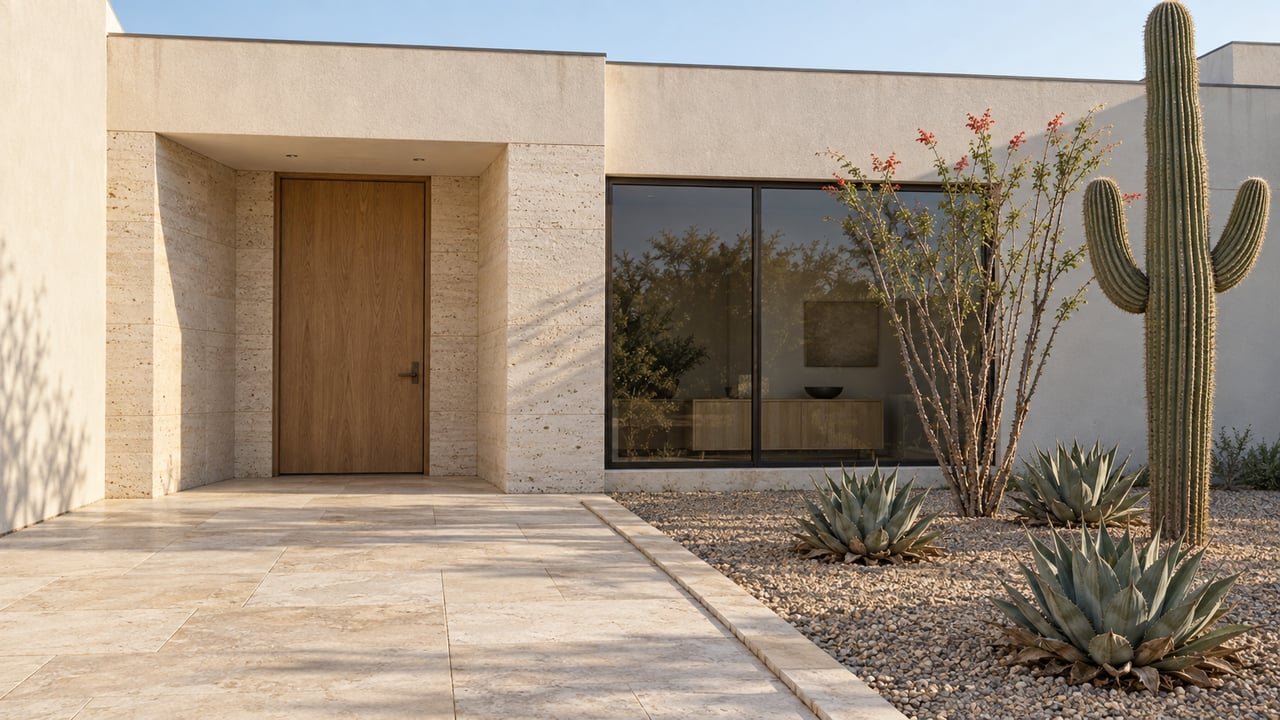
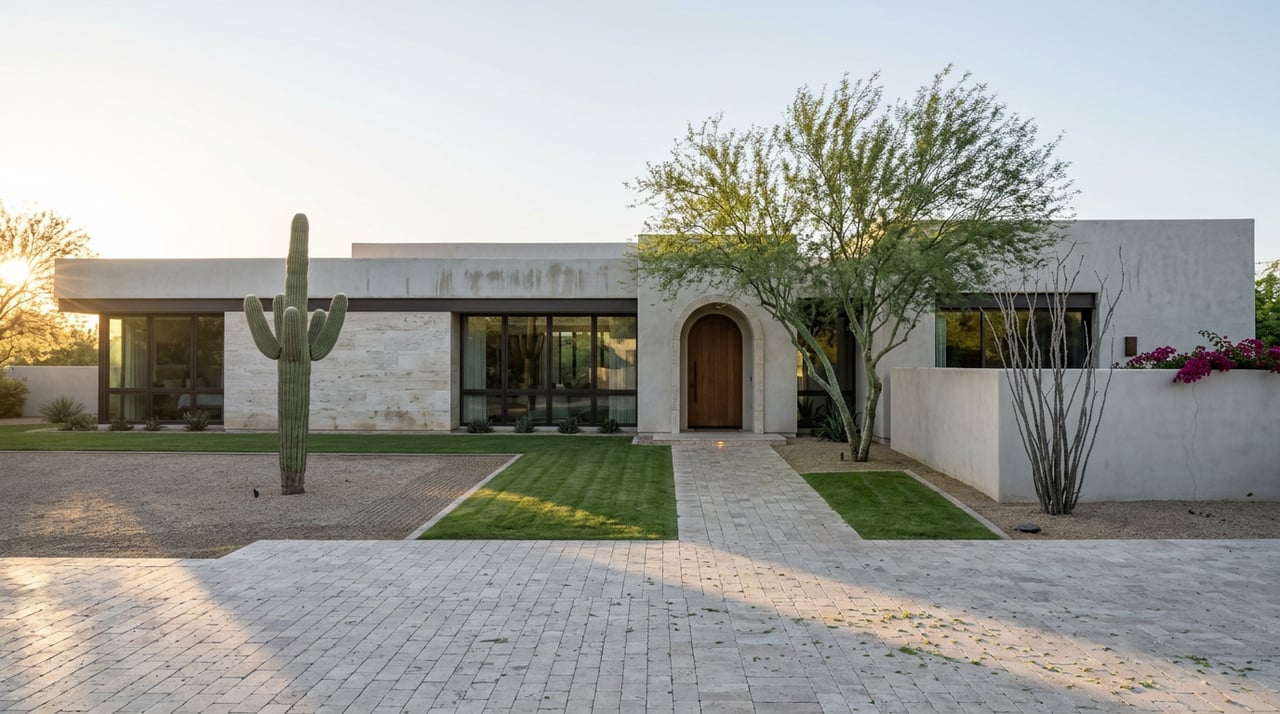
- Desert‑smart landscape: Use native or drought‑tolerant plants, drip irrigation, and efficient controllers to conserve water and simplify care. These choices thrive in the local climate and reduce maintenance without sacrificing ambience.
Lighting and sound that set the mood
Great entertaining feels effortless because lighting and music do the heavy lifting. Create a layered lighting plan with task, ambient, and accent fixtures, all on dimmers. Program simple presets like “cocktail,” “dinner,” and “late night” so you can shift the vibe with one touch. Many integrators recommend scene‑based controls and motorized shades to manage day‑to‑night transitions.
For audio, plan zones. Keep patio dining, pool deck, and interior living on separate groups so you can raise the energy outside and keep conversation levels comfortable inside. A reliable wired backbone and weather‑rated speakers are standard best practices for larger homes.
Shading, glazing, and thermal control
In high sun, the right combination of glass and shade makes or breaks comfort. Specify low‑SHGC glass on west and south facades and pair it with exterior shading like pergolas, retractable awnings, or motorized screens. Motorized interior shades reduce glare and protect finishes, while insulated frames and careful sealing help your HVAC keep up.
Material durability matters too. Choose UV‑resistant finishes, marine‑grade stainless for outdoor kitchens, and powder‑coated metalwork. Confirm warranties and coordinate irrigation design to avoid overspray that can stain stone and metal.
Resale, ROI, and what buyers reward
National reports show that exterior curb appeal, minor kitchen updates, and well‑executed outdoor projects tend to deliver strong buyer interest, especially where the climate invites year‑round use. In Paradise Valley’s luxury tier, buyers notice integrated indoor‑outdoor flow, quality outdoor kitchens, and private guest suites. Even if strict dollar‑for‑dollar ROI varies by price band, these features often become marketing highlights that speed interest and elevate perceived value. Review outdoor feature insights from the Remodeling Impact Report to help prioritize.
Budget and timeline snapshot
Numbers vary by design, site, and finishes, but these ballparks help you plan:
- Outdoor kitchen: About 15k to 40k for a built‑in grill, small fridge, and counter. Full luxury pavilions commonly exceed 40k to 100k plus. See a national range overview for context.
- Pool and spa: Roughly 100k to 400k plus depending on size, water features, and automation. Pools and accessory structures typically need Town permits; factor time for plans and reviews.
- Multi‑slide glass wall: About 25k to 80k plus based on size, frame type, and glass performance.
- Guest casita: Around 150k to 400k plus for a 500 to 900 square foot detached suite. Permitting, utilities, and site work drive the range.
Practical checklist
- Map sun and wind: Place covered patios for afternoon shade and capture morning light for breakfast seating. The Town’s climate overview is a helpful reference.
- Confirm permits and HOA: Check the Town’s Permits and Handouts for guest houses, ramadas, pools, and major shade structures. Review your CC&Rs for event and parking guidelines.
- Smooth thresholds: Keep indoor‑outdoor transitions level or low, use slip‑resistant surfaces, and plan for insect or solar screens if you host during monsoon season.
- Plan the beverage zone: Reserve space near entertaining areas for undercounter refrigeration, ice, a small sink, and a staging counter.
- Program lighting and audio: Use dimmers and scenes for effortless mood shifts and create separate audio zones for patio, dining, and pool. Consult an integrator for wiring and weatherproof gear.
- Choose smart glass and shade: Use low‑SHGC glazing and external shading devices; LBNL’s tools can help compare options for comfort and energy.
Hosting comfortably in the heat
Shift larger gatherings to mornings and evenings during peak summer. Provide deep shade, ceiling fans, and breathable seating fabrics that stay cool. Keep cool beverages and chilled towels at the ready, and leave interior living spaces conditioned as a retreat for guests who want a break from the heat.
Bring it all together
When your home supports how you love to gather, hosting feels easy and memorable. In Paradise Valley, that means climate‑smart layout, thoughtful shade, resort‑level outdoor rooms, and simple tech that fades into the background. If you are weighing what to do before listing or how to tailor a new purchase, partner with a local advisor who understands what this market rewards. For tailored guidance on upgrades, staging, and value, connect with Adrian Heyman for a private consultation.
FAQs
Do I need a permit for a guest house in Paradise Valley?
- Yes. The Town lists Guest House, Ramada, and Pool/Spa as building‑permit categories. Start at the Town’s Permits and Handouts page and confirm HOA requirements.
What window and door choices work best for desert heat?
- Prioritize low‑SHGC glass on west and south exposures, insulated frames, and exterior shading. Use LBNL’s tools to compare options that balance views, light, and heat control.
Will an outdoor kitchen help resale in Paradise Valley?
- Well‑integrated outdoor rooms are highly desirable in warm climates and often become marketing highlights, though exact ROI varies. The NAR Remodeling Impact overview of outdoor features offers helpful context.
How do I make summer entertaining comfortable at home?
- Host in morning and evening, add deep shade and ceiling fans, keep cold beverages accessible, and maintain conditioned indoor fallback spaces. Choose materials that stay cooler underfoot and consider motorized screens for sun control.
Where do I start with pool or casita approvals?
- Begin with the Town’s Permits and Handouts page, which outlines submittals for pools, spas, and accessory structures. Coordinate early on grading, drainage, utilities, and any HOA reviews.
Are there local rules for noise or short‑term rentals?
- Yes. Review the Town’s Short‑Term Rental and Good Neighbor guidance for noise, parking, and hosting best practices before planning large gatherings.