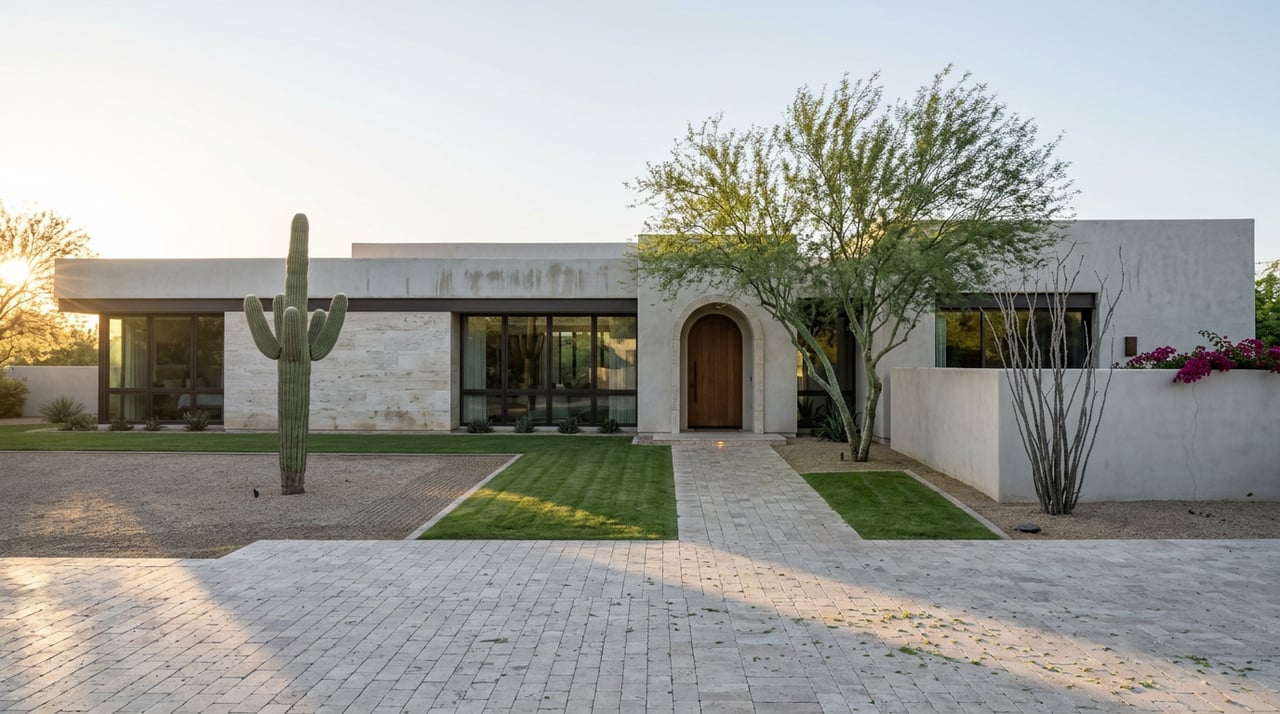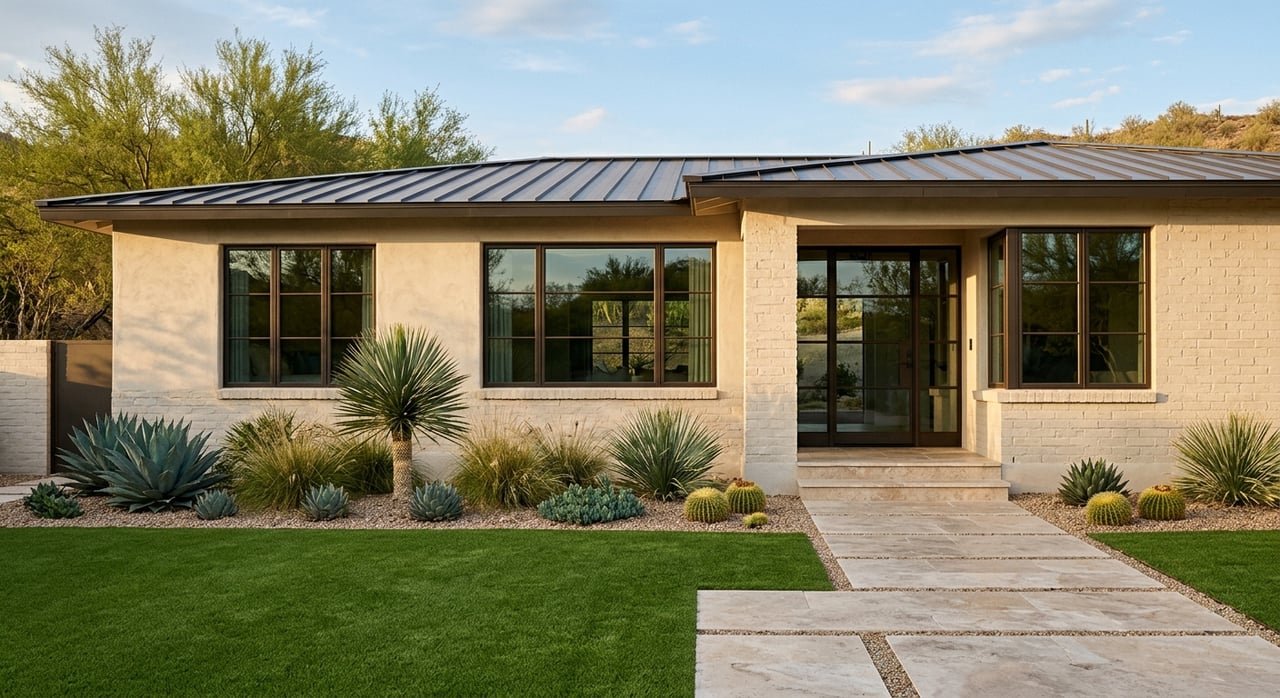
If you are preparing to sell in Arcadia, one truth matters right away: in a premium market, buyers notice everything. With recent reports showing Arcadia home prices around the $1.63 million to $1.88 million range and homes often taking roughly 65 to 80 days to sell, your presentation strategy can shape both momentum and negotiating power. Whether you own a classic ranch or a newer custom build, the goal is not to do more work. It is to do the right work, tell the right story, and bring your home to market with intention. Let’s dive in.
Why Arcadia presentation matters
Arcadia is not a generic Phoenix submarket. It carries a distinct identity tied to late-1920s and early-1930s estate development and its early citrus-grove roots, as noted in the City of Phoenix historic survey. That sense of place still shows up in how buyers respond to homes here.
In practical terms, this means buyers often expect a home in Arcadia to feel considered, polished, and true to its style. In a market where pricing and presentation are closely examined, a mismatch between the home itself and the way it is prepared for sale can make a listing feel less compelling.
Prepare older Arcadia homes thoughtfully
Older Arcadia homes often win attention because they offer something many buyers still want: character. According to the National Association of Realtors 2025 generational trends report, buyers of previously owned homes often cite better overall value, better price, and charm and character as key reasons for choosing them.
That is especially relevant for Arcadia ranch homes, cottages, and other long-established properties. If your home has appealing original details, good natural light, or proportions that feel authentic to its era, those qualities should usually be protected and highlighted rather than erased.
Keep the character buyers want
Over-updating can flatten the very features that make an older Arcadia home memorable. NAR design trend coverage points to renewed interest in smaller homes with classic styles and original materials that add character. That supports a more selective approach to pre-sale improvements.
Instead of trying to make an older property look brand new, focus on making it look cared for, functional, and visually calm. Buyers can appreciate a home that feels fresh without feeling stripped of identity.
Refresh selectively before listing
For many sellers, the best pre-listing plan starts with repairs and maintenance, not a full redesign. The City of Phoenix guidance for historic properties recommends starting with an energy audit and considering lower-disruption measures such as window repairs, weatherization, interior shades or blinds, window film, and thicker glass in existing frames before moving to full replacement.
That guidance is useful even beyond strictly historic homes. It points sellers toward updates that improve comfort and appearance while respecting original materials. If your wood windows, masonry, paint, or trim need attention, repair-first decisions can help your home show as well-maintained without undermining its architectural integrity.
Check historic status before exterior changes
If your property is listed on the Phoenix Historic Property Register, exterior work may be subject to special development review. The city also notes that listed properties may qualify for rehabilitation incentives, which makes it smart to confirm status before changing façades, windows, or other visible features.
This step matters because last-minute exterior changes can create delay or unnecessary cost. Before making visible alterations, it is worth understanding what is allowed and what supports the home’s value story best.
Position newer Arcadia builds as turnkey luxury
Newer Arcadia homes appeal to a different buyer mindset. In the same NAR 2025 generational trends report, buyers said they choose new homes largely to avoid renovation or systems issues, gain updated design, and access modern amenities, energy efficiency, and smart-home features.
For sellers, that creates a clear takeaway: newer builds should usually be marketed as polished, ready, and easy to enjoy from day one. Buyers in this category are often not looking for a project. They want confidence, convenience, and a strong daily living experience.
Highlight livability, not just size
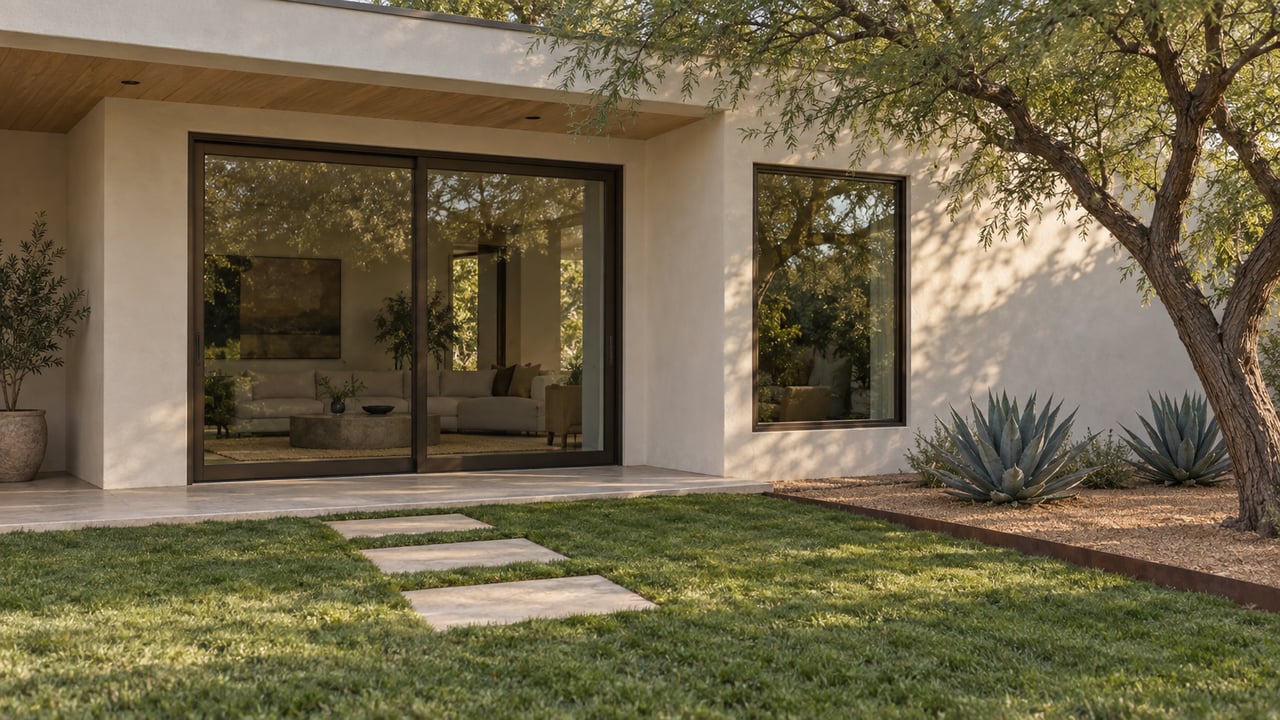
Square footage alone rarely tells the whole story. NAR’s 2025 home design trends coverage points to increased interest in natural light, calmer interiors, stronger indoor-outdoor connection, hidden prep spaces, and smart lighting.
That means your preparation should focus on how the home lives. Clean sightlines, layered lighting, uncluttered outdoor areas, and a sense of effortless flow can make a newer Arcadia property feel truly turnkey.
Finish the small details buyers notice
When a home is presented as luxury, small unfinished details stand out quickly. Touch-up paint, hardware alignment, lighting consistency, clean glass, and crisp landscaping all support the promise of move-in-ready living.
This is where discipline matters. A modern or newly built home should feel seamless in person, not merely attractive in photos.
Use staging to shape buyer perception
Staging is not just decoration. It helps buyers understand the home faster. In the 2025 Profile of Home Staging Snapshot, 83% of buyers’ agents said staging made it easier for buyers to visualize the property as a future home.
That same report found the most commonly staged rooms were the living room, primary bedroom, and dining room. It also found that 29% of sellers’ agents said staging led to a 1% to 10% increase in dollar value offered, while 49% said it reduced time on market.
Stage differently by home type
The best staging plan depends on the kind of Arcadia home you are selling.
For older homes, staging should support the architecture. That may mean lighter furnishings, cleaner styling, and pieces that let original details, windows, and room proportions stay visible.
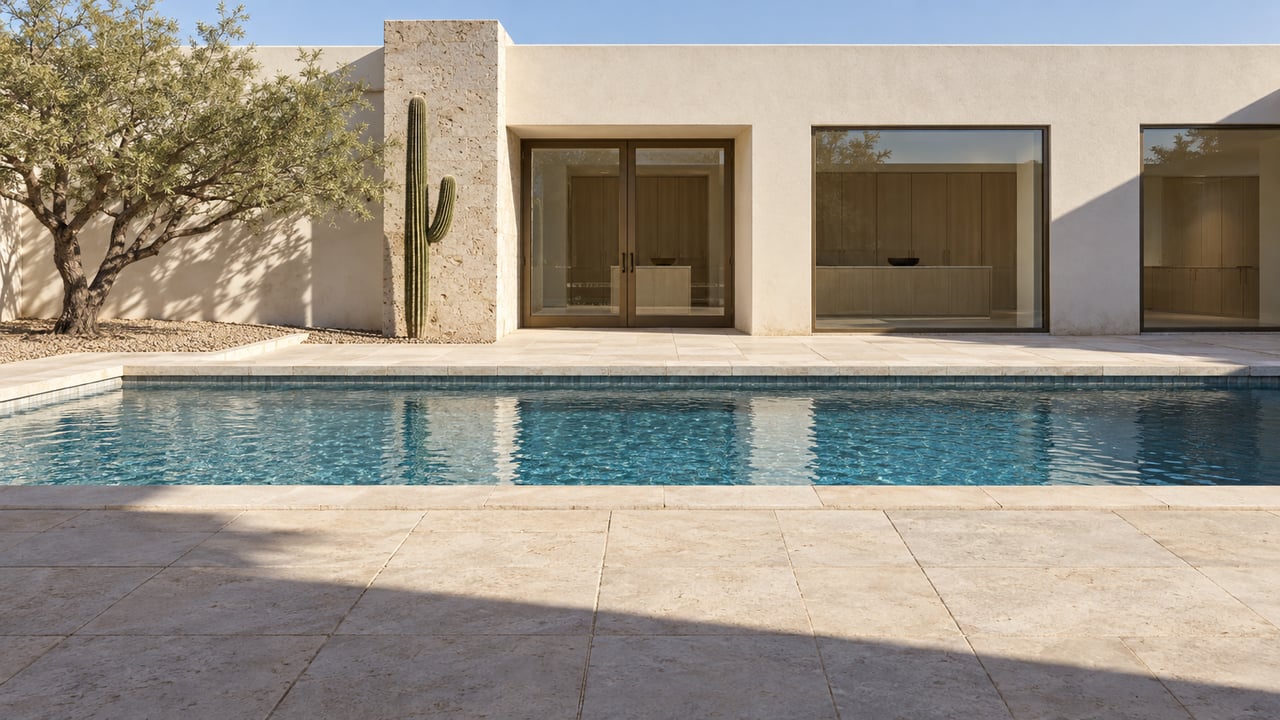
For newer builds, staging should reinforce ease and luxury. Think calm rooms, strong scale, and spaces that show how indoor and outdoor living connect.
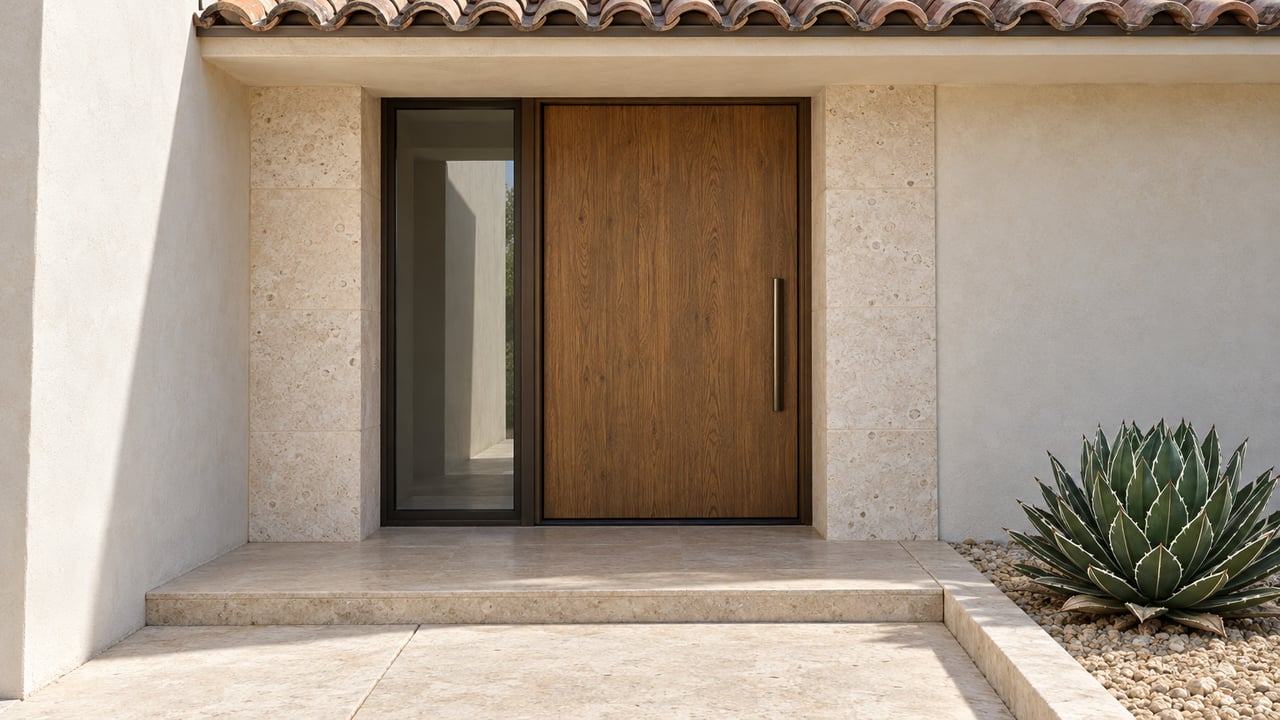
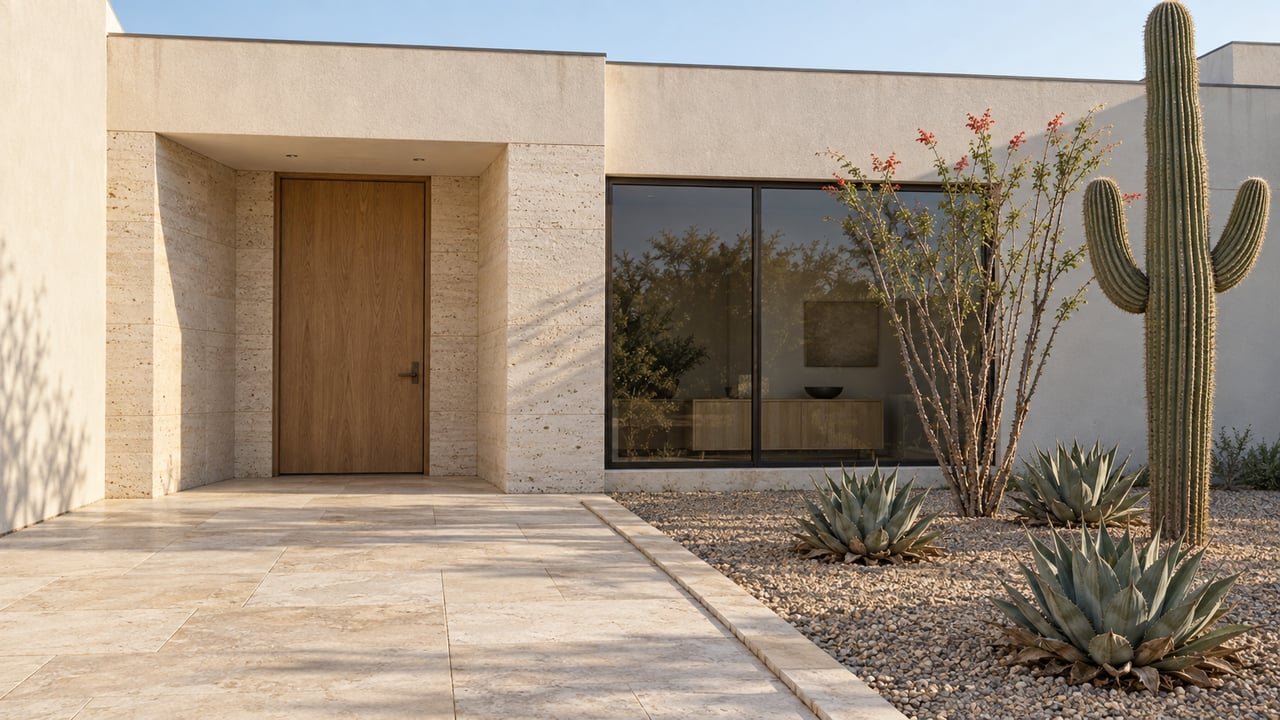
Improve curb appeal with restraint
Your exterior sets expectations before a buyer ever walks inside. In NAR’s outdoor remodeling report, 97% of members said curb appeal is important in attracting a buyer, and 92% said they had recommended curb appeal improvements before listing.
That does not mean you need a major landscape overhaul. In Arcadia, a measured, well-edited approach often works better than overcomplication.
Focus on the entry sequence
Buyers often form their first impression in seconds. Prioritize the path from the street to the front door.
A strong entry sequence may include:
- Clean walkways and drive areas
- Freshly maintained planting beds
- Pruned trees and shrubs
- Updated or repaired gate and door hardware
- Warm, functional exterior lighting
The same NAR report estimated 59% cost recovery for landscape lighting, which supports practical upgrades that improve both evening showings and overall presentation.
Match the marketing story to the property
Arcadia homes tend to perform best when marketing reflects what buyers actually value in that home type. According to NAR’s consumer guide to marketing your home, effective marketing may include staging, professional photography, social media, signage, open houses, and MLS exposure, along with preparation steps like cleaning, decluttering, and curb appeal improvements.
In Arcadia, the most effective story is often simple:
- Older homes: character-rich, carefully refreshed, and true to their architecture
- Newer homes: polished, low-maintenance, and designed for easy luxury living
When your preparation, visuals, and pricing strategy all support the same message, buyers understand the home faster. That clarity can make a major difference in a premium market.
A practical pre-sale checklist
If you want to prepare your Arcadia home without losing focus, start here:
- Identify whether your home’s value story is character or turnkey convenience
- Complete visible repairs before cosmetic upgrades
- Deep clean windows, walls, floors, and lighting
- Declutter to improve light, scale, and flow
- Refresh landscaping and front entry presentation
- Stage key rooms with the home’s style in mind
- Confirm any historic restrictions before visible exterior changes
- Build marketing around the home’s strongest lifestyle advantages
Selling well in Arcadia is rarely about chasing every trend. It is about aligning the home, the presentation, and the buyer expectation.
If you are preparing an Arcadia sale and want a more tailored strategy, Adrian Heyman offers a white-glove approach built around thoughtful staging, editorial presentation, and precise market positioning.
FAQs
What is the best way to prepare an older Arcadia home for sale?
- Focus on preserving original character, completing visible repairs, improving comfort with lower-disruption updates, and avoiding overly generic renovations that can weaken the home’s identity.
How should you market a newer Arcadia build to buyers?
- Present it as turnkey luxury by emphasizing move-in-ready condition, modern livability, indoor-outdoor flow, updated systems, and polished finishes.
Does staging help Arcadia homes sell more effectively?
- Yes. NAR found that staging helps buyers visualize a home more easily, and many agents reported that it reduced time on market and improved offered value.
Should you change windows or exterior features on a historic Arcadia property before listing?
- Not before confirming the property’s historic status and any applicable City of Phoenix review requirements, especially if the home is on the Phoenix Historic Property Register.
Why is curb appeal important when selling a home in Arcadia?
- Curb appeal shapes the first impression, supports the home’s pricing story, and can make buyers more receptive before they even step inside.