Wondering whether an Arcadia luxury home is a lifestyle purchase, a strategic investment, or both? If you are considering a long-term hold in one of Phoenix’s most recognized neighborhoods, that is the right question to ask. Arcadia commands premium prices, but its appeal is rooted in more than status alone. When you look closely at the market, location fundamentals, and ownership realities, you can better judge whether the investment fits your goals. Let’s dive in.
Why Arcadia Draws Long-Term Buyers
Arcadia sits in a premium tier of the Phoenix market, and the pricing shows it. In February 2026, the median sale price in Arcadia was $1.63M, compared with $461,300 across Phoenix overall, according to Redfin’s Arcadia housing market data. That gap reflects the neighborhood’s distinct identity, limited low-density character, and durable end-user demand.
What makes Arcadia stand out is that its value story is not built on hype alone. The City of Phoenix Arcadia Camelback Special Planning District points to factors that have supported demand over time, including its irrigation system, citrus groves, access to nearby communities, and relative convenience to downtown Phoenix. The plan also notes that the Arizona Canal and Camelback Mountain help keep the area quieter and more insulated from traffic.
For a long-term buyer, that matters. Markets tend to hold up better when demand is tied to physical character, location constraints, and livability rather than a short-lived trend.
Arcadia Market Signals to Watch
A smart investment is not just about price growth. You also want to know whether the market has enough activity to support resale when the time comes.
Redfin’s Arcadia luxury page showed 98 luxury homes for sale at a median listing price of $1.95M, with homes averaging 63 days on market and about 1 offer. That points to a market with real resale activity, but not one driven by rapid-fire speculation.
The same housing market report for Arcadia shows a sale-to-list ratio near 95% and median days on market around 60 to 63 days. In plain terms, buyers are still active, but they are selective. For you, that means quality still wins. The right lot, strong design, and careful updates can matter more here than simply owning in the ZIP code.
Phoenix Demand Still Supports Arcadia
Even premium neighborhoods do not operate in a vacuum. Arcadia benefits from broader Phoenix demand patterns that help feed interest in top-tier submarkets.
According to Redfin’s Phoenix housing market tracker, inbound search interest has come from metros such as Chicago, Seattle, Los Angeles, Dallas, and San Francisco. The same data shows that 72% of Phoenix homebuyers searched to stay within the metro, suggesting a broad local and incoming demand base.
That does not guarantee future appreciation, of course. But it does support the idea that Arcadia sits within a large and active housing ecosystem, which is often a positive sign for long-term value retention.
Location Fundamentals That Support Value
Long-term real estate performance often comes back to location traits that are hard to replicate. Arcadia has several of them.
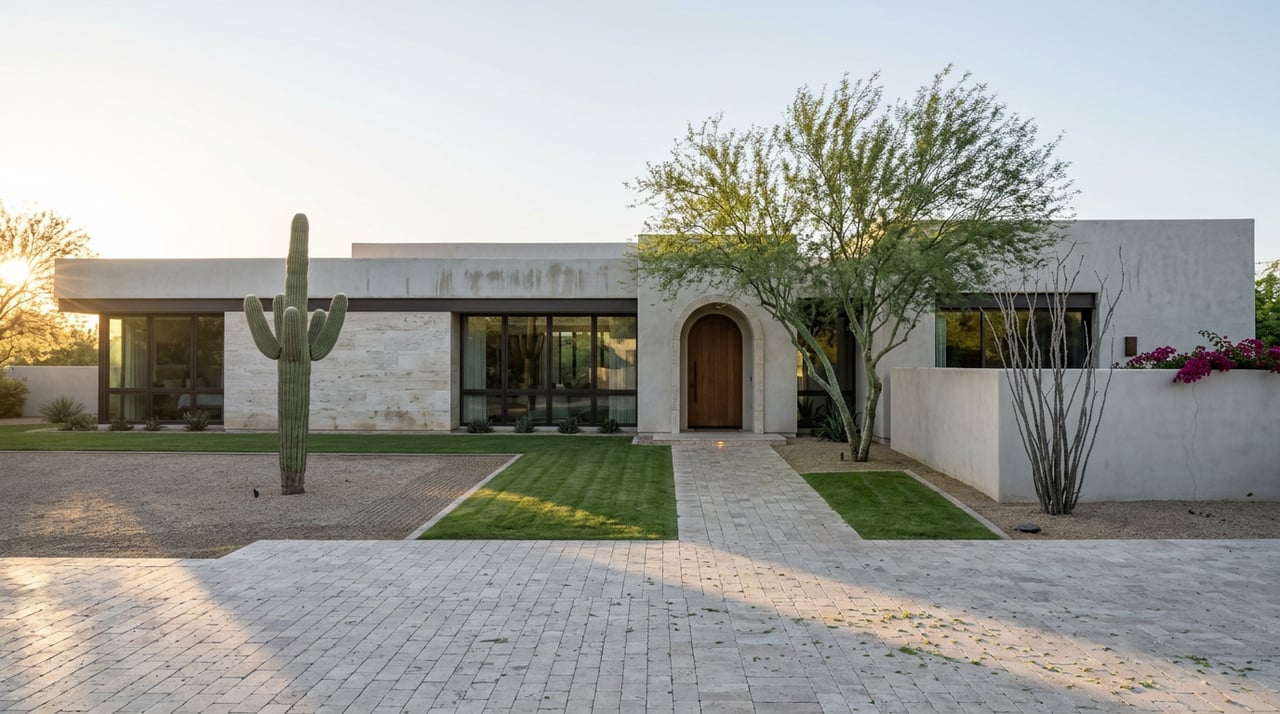
The neighborhood’s low-density single-family pattern is a big one. The city planning framework describes that as the dominant land use in the area, which helps preserve the estate-like feel many buyers want. In a market where privacy, lot size, and mature landscaping carry weight, that kind of physical character can support enduring appeal.
Arcadia also offers lifestyle amenities that matter to end users. Arcadia Park includes a playground, picnic areas, shade structures, restrooms, and a volleyball court. The Grand Canalscape adds a 12-mile off-street recreational trail system, giving residents another everyday amenity that contributes to the neighborhood’s lifestyle premium.
School access is another demand driver many long-term buyers consider. Arcadia High School identifies itself as part of Scottsdale Unified School District, and NCES also lists the district that way. While every buyer weighs this differently, access to established school districts can be one of the more durable factors in owner-occupied luxury markets.
Arcadia’s History Adds Scarcity
One reason Arcadia continues to feel distinct is that its identity has deep roots. According to Phoenix’s historic survey of Arcadia, the original Arcadia development was first recorded in December 1919 and was designed as an affluent rural estate community with large lots, citrus-orchard intentions, and stable irrigation.
That history still shapes the neighborhood today. Large parcels, mature landscapes, and a sense of separation from denser development are not easy to recreate. In luxury markets, scarcity like that can be a meaningful part of the long-term value equation.
History alone does not make a home a smart investment. But when historic neighborhood character lines up with current buyer preferences, it often strengthens long-run demand.
Renovation and Rebuild Potential
For some buyers, the investment case in Arcadia is not just about holding a finished home. It is also about what the lot and location may allow over time.
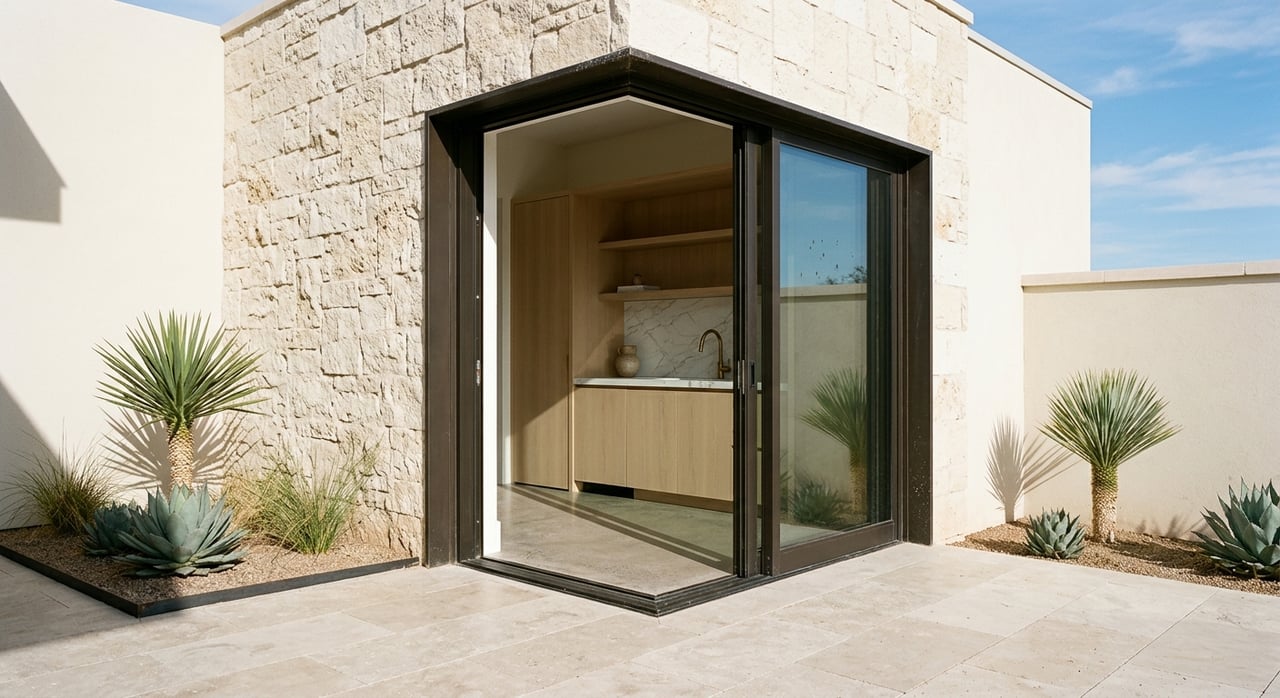
Recent Arcadia listings on Redfin include both a fully remodeled and expanded home by an architect and a newly built 2025 luxury property. That suggests the local market recognizes value in updated interiors, modern systems, and design-forward presentation.
This is not a promise that every remodel will pay off. It does, however, support the idea that reinvestment is part of Arcadia’s value story. If you are buying an older home, the quality of the existing renovation, or the realism of a future improvement plan, should be central to your decision.
Community Stewardship Matters
A neighborhood’s long-term trajectory is shaped by more than housing inventory. Resident engagement can also help preserve character and support stability.
Phoenix’s neighborhood database lists the Arcadia Camelback Mountain Neighborhood Association with 2,500 households and Block Watch. The Arcadia Corners Neighborhood Association also lists goals related to neighborhood quality, traffic mitigation, crime prevention, and commercial development impact.
For you as a buyer, that is meaningful context. Active neighborhood organizations cannot control the future, but they can play a role in protecting the qualities residents value most.
The Risks You Should Not Ignore
Arcadia can be a strong long-term candidate, but it is not a passive or low-maintenance hold. That is especially true if you are buying for lifestyle use and investment upside at the same time.
One important issue is regulation and planning review. Phoenix’s map of overlays and regulatory plans shows Arcadia-related special planning districts and the Camelback Road Overlay District. If you are considering major exterior changes, redevelopment, or a significant addition, you should confirm what city rules and any HOA standards may apply before you buy.
Climate is another real ownership factor. Phoenix’s trail heat safety page reported 121 days at or above 105°F and 69 days above 110°F in 2024. For a luxury homeowner, that means HVAC performance, pool systems, shade planning, roofing, and landscape maintenance are all part of the true cost of ownership.
This does not make Arcadia a poor investment. It simply means the best-fit buyer is usually someone who values personal use, quality of life, and long-term resale appeal, not someone looking for an effortless cash-flow play.
Questions to Ask Before You Buy
If you want to make a smarter long-term decision in Arcadia, focus less on the headline and more on the property-specific details.
Here are a few questions worth asking:
- Is the micro-location close enough to Arcadia’s core amenities and key corridors to support long-term desirability?
- Does the home offer true renovation quality, or is most of the value in the land?
- Are there city planning, overlay, irrigation, or HOA constraints that could affect future changes?
- Does the property’s design, lot placement, and condition justify its premium within the neighborhood?
- Are you comfortable with the carrying costs that come with luxury ownership in Phoenix’s climate?
These are the questions that often separate a good Arcadia purchase from a great one.
So, Is an Arcadia Luxury Home Smart?
For the right buyer, yes. Arcadia can be a smart long-term investment when you are buying with a clear view of both lifestyle value and resale fundamentals.
The neighborhood benefits from premium positioning, low-density character, historic identity, and amenities that support end-user demand. The resale market appears active enough to provide liquidity, yet selective enough to reward quality and thoughtful reinvestment. At the same time, ownership here comes with real diligence around planning constraints, climate-related maintenance, and property-specific execution.
If your goal is a long-term hold in a neighborhood with lasting appeal, Arcadia deserves serious consideration. And if you want a trusted local perspective on which homes, lots, and micro-locations may offer the strongest long-term fit, Adrian Heyman can help you evaluate the opportunity with the level of detail luxury buying deserves.
FAQs
Is an Arcadia luxury home better for long-term living or short-term speculation?
- Arcadia appears better suited to long-term ownership because current market data shows healthy resale activity, but not the kind of fast-turn conditions usually associated with short-term speculation.
What makes Arcadia real estate valuable compared with other Phoenix neighborhoods?
- Arcadia’s value is supported by its premium location, low-density single-family character, historic estate-lot identity, access to amenities, and strong end-user appeal within the broader Phoenix market.
Do renovation projects in Arcadia luxury homes add value?
- Recent listings suggest buyers respond to remodeled and newly built homes, which supports renovation potential, but the payoff depends on design quality, execution, and the specific property.
What ownership risks should buyers consider with Arcadia homes?
- Buyers should review possible city overlay rules, any HOA standards, irrigation or property-specific constraints, and the ongoing maintenance demands that come with Phoenix heat.
How liquid is the Arcadia luxury housing market?
- Based on Redfin data, Arcadia has real resale liquidity, with homes averaging around 60 to 63 days on market and a sale-to-list ratio near 95%, though buyers remain selective.
Why does micro-location matter when buying in Arcadia?
- Micro-location can influence access to key amenities, neighborhood feel, traffic patterns, and long-term buyer appeal, which can all affect resale performance over time.