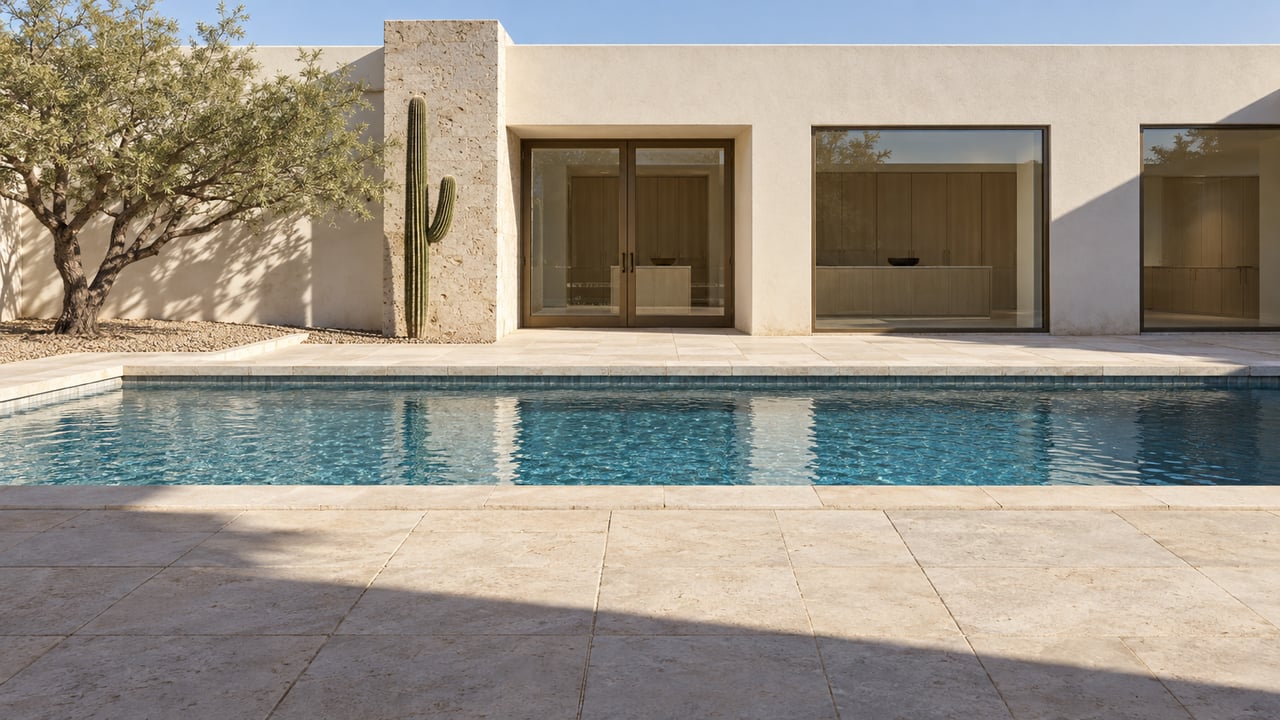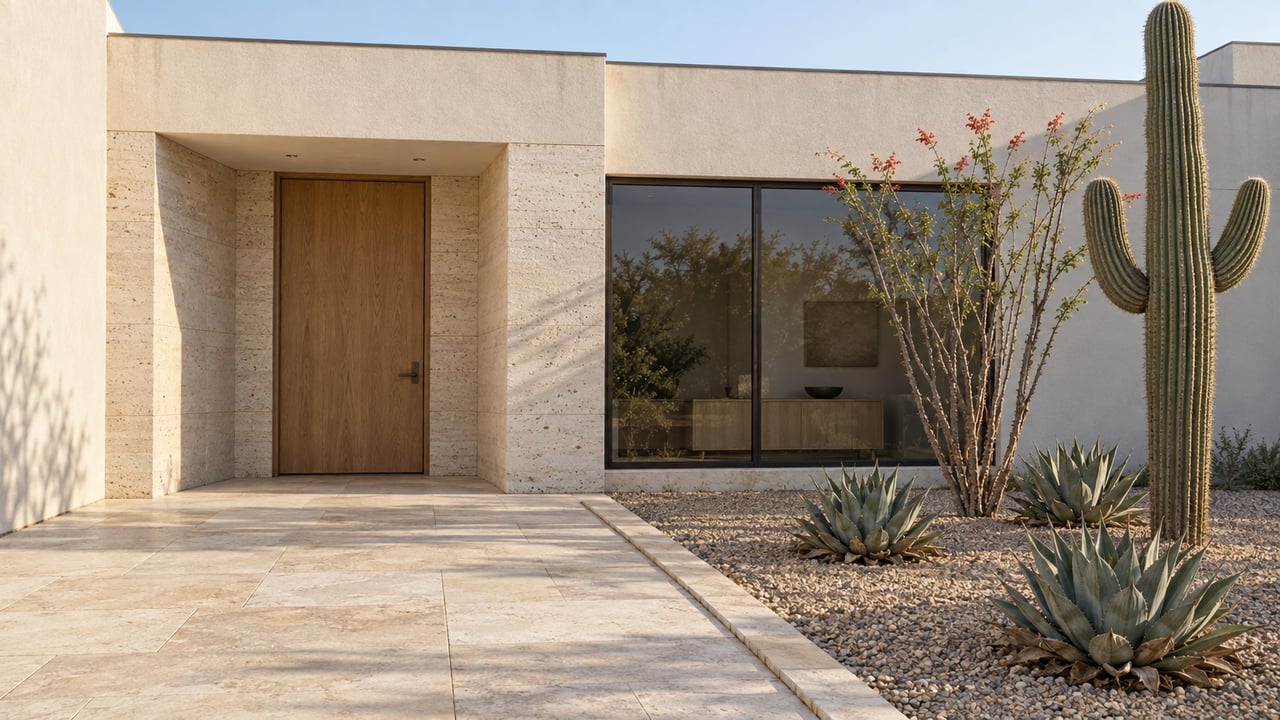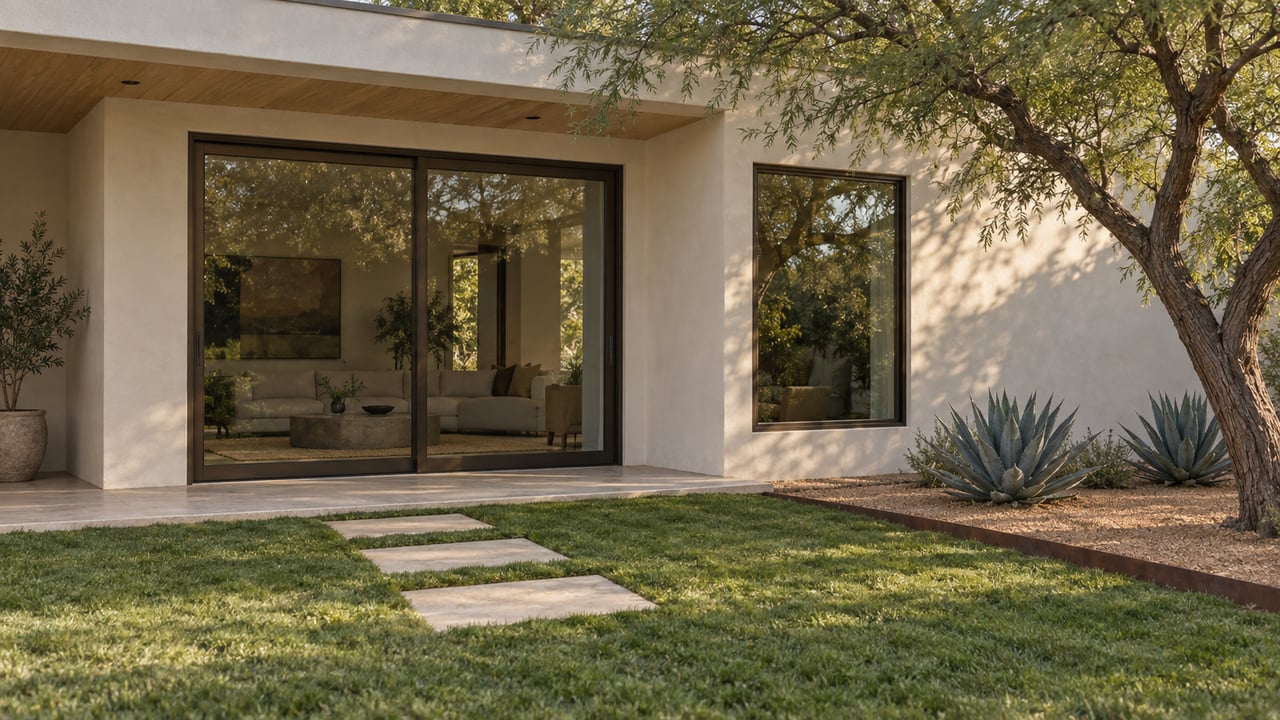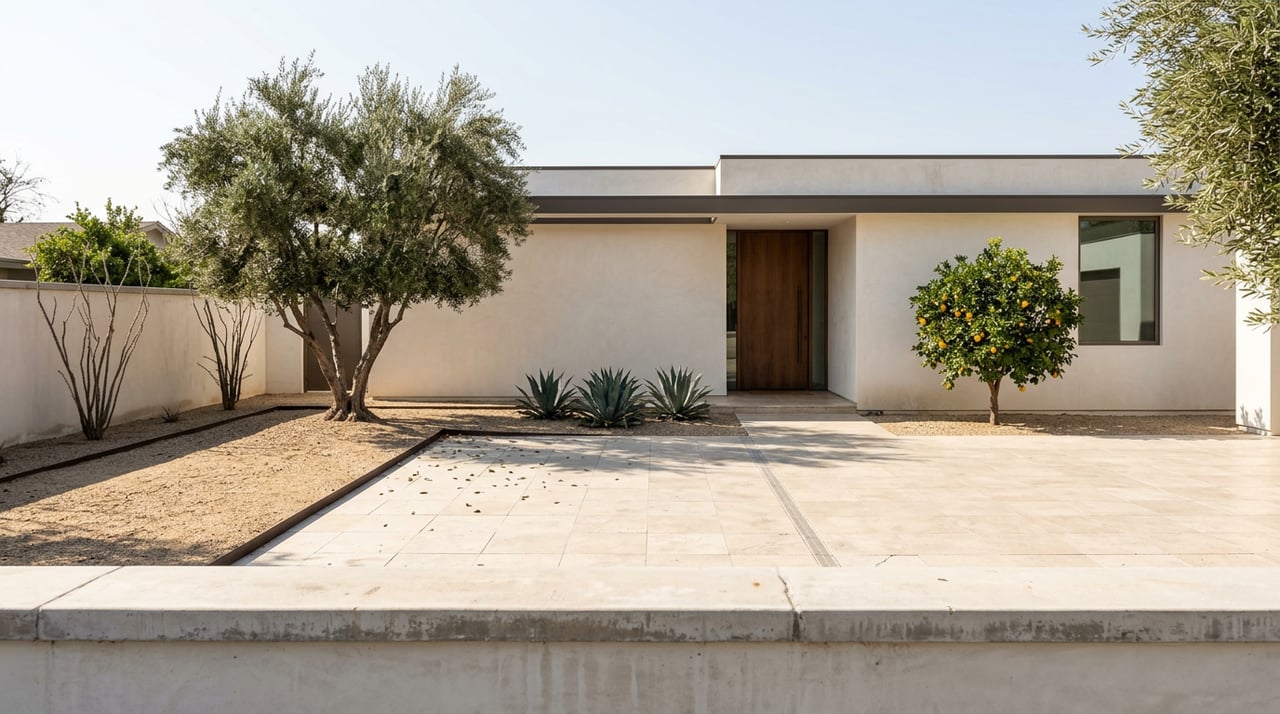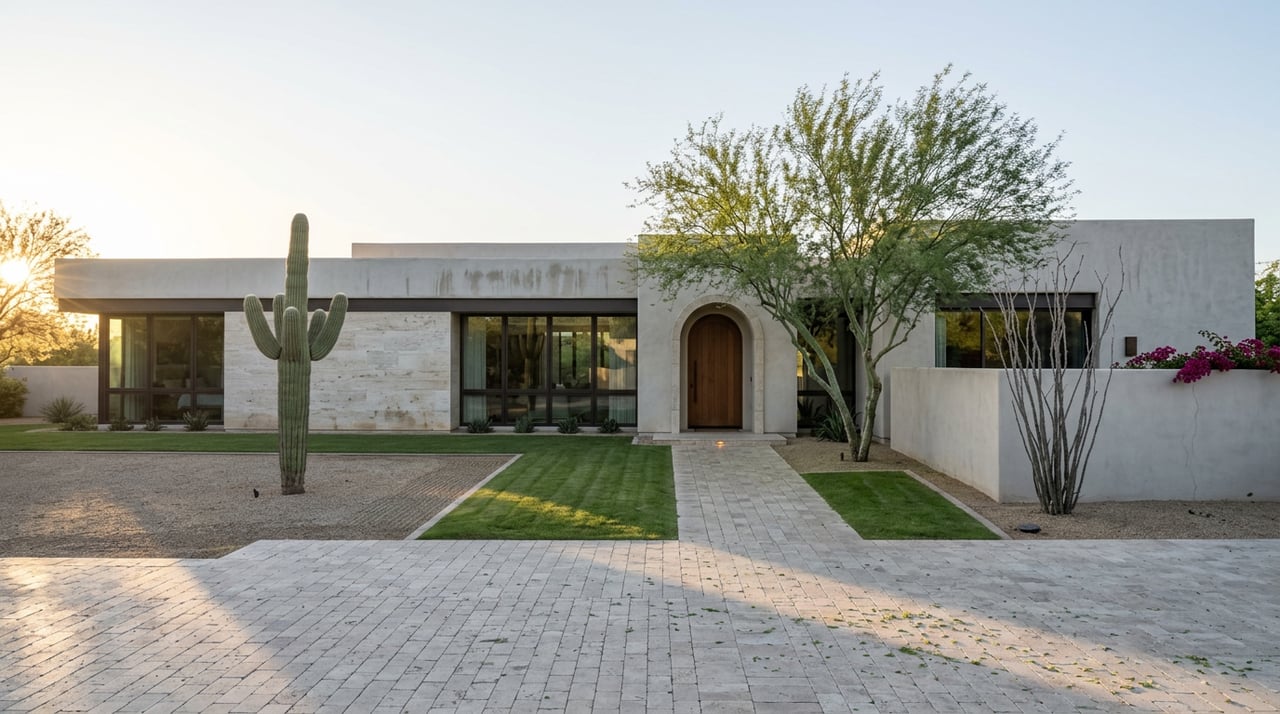
An original-condition ranch on an irrigated third-acre in Arcadia does not sit on the market. Price it anywhere near reality and a builder has it under contract inside a month, sometimes faster, because the neighborhood stopped producing raw dirt decades ago and every 1950s or 60s ranch on an oversized lot is functionally the last vacant parcel anyone is going to get. That part of the story is well known and mostly true.
The land trades fast because everyone can see its value in a single afternoon. The house that eventually replaces it does not exist yet, and building it runs through the City of Phoenix's permitting and construction process at a pace that has nothing to do with how quickly the lot changed hands. A buyer who treats the fast sale as proof that the hard part is over is pricing the wrong risk into the wrong moment.
The Part Everyone Sees
Arcadia is built out. There is no undeveloped land left inside its boundaries, which means the only way to get a fully custom home here is to buy an aging structure and remove it. Builders active in the neighborhood right now, including Carmel Homes, Cullum Homes, Sever Custom Homes, Bedbrock Developers, Calvis Wyant Luxury Homes, and Thomas James Homes, are competing for the same short list of qualifying lots: enough square footage, the right flood-irrigation history, a street where a new build won't feel like it's shouting over its neighbors.
That competition is why original-condition homes move so quickly. It is a scarcity trade, and everyone involved understands the arithmetic before they walk in the door. What the fast close obscures is that the buyer hasn't finished the transaction. They've finished the easiest part of it.
The Part Nobody Prices In
Ask a builder who works this neighborhood how long it actually takes from first conversation to move-in and the honest answer is roughly two to just over three years. That number breaks down roughly like this:
| Phase | Typical duration |
|---|---|
| Demolition and site clearance | 1 to 2 months |
| Design and permitting | 6 to 12 months |
| Construction | 18 to 24 months |
None of that includes the surprises that live inside an older structure. The Building a Custom Home in Arcadia guide notes that a home built in the 1950s or 60s can carry asbestos or lead paint that requires documented abatement before demolition proceeds. Electrical service sized for a mid-century household usually needs to be replaced entirely, and gas, water, and sewer connections often need upgrading to handle the plumbing fixtures and mechanical systems a modern home expects. None of this is unusual for a teardown anywhere. What's specific to Arcadia is that each of these steps runs through the City of Phoenix's permitting and construction process.
Why Phoenix, Not Arcadia, Writes the Rules
Paradise Valley, a few minutes north, is its own incorporated town with a dedicated permitting department and a design review process built specifically around what gets built there. Arcadia has no equivalent. It sits entirely inside the City of Phoenix. Arcadia's architecture is so mixed, from mid-century ranch to contemporary desert modern sitting on the same block.
The exception worth knowing before you buy: properties along Camelback Road between 44th Street and the eastern city limit fall under a specific overlay, the Arcadia Camelback Special Planning District, which allows variation beyond the standard wall height and setback rules for the underlying zoning. If your lot touches that stretch, the rulebook is different from the one governing a house two streets over, and it's worth confirming before you assume your plans will sail through review.
Demolition itself also isn't automatic. The City of Phoenix requires a demolition permit before a structure comes down, and if a property is historic or potentially historic, an additional review applies before exterior demolition can move forward. Arcadia's citrus-grove-era homes are exactly the kind of structures that can trigger that review, so confirming a parcel's historic status early saves months later.
The Neighbors Are Watching the Permits Too
The volume of construction happening in Arcadia right now has left contractors stretched thin with long project backlogs, making careful attention to permit compliance especially important. The Arcadia Camelback Mountain Neighborhood Association has been direct about the risks of unpermitted work. Unpermitted work isn't inspected, and if it doesn't conform to code it can carry real fire, flood, electrocution, or structural risk. The city's response when it discovers unpermitted construction follows a set sequence: a stop work order first, then a formal notice of violation served by mail or in person, and in some cases a notice recorded against the property with the county.
This matters to anyone buying an Arcadia home that was renovated at some point without full documentation. A wall, a patio enclosure, or a room addition that was never permitted can complicate financing, delay a future project on the same footprint.
What This Means If You're Holding the Dirt
If you own an original-condition home on a qualifying Arcadia lot, the fast sale you'll likely see is real. What it doesn't tell you is what price actually reflects the builder's full risk. A serious offer should account for the demolition, the abatement contingency, the utility upgrades, and carrying costs. Pricing purely against what a renovated home down the street sold for skips the part of the equation that determines what a rational builder can actually pay.
If you're the one competing for a lot like this, a few things are worth confirming before you bid rather than after:
- Whether the parcel falls inside the Camelback Road overlay or carries any historic designation that would trigger additional review before demolition
- What the home's original electrical service, gas line, and sewer connection can actually support versus what your planned build will require
- Whether any prior addition, wall, or enclosure on the property was permitted, since unpermitted work can surface during your own plan review
- Whether your contractor's timeline quote includes the permitting window or only the construction phase, since those are frequently priced and discussed separately
None of this changes the fundamental appeal of Arcadia. The lots are genuinely scarce, the flood-irrigated canopy is genuinely irreplaceable, and the competition among qualified builders is genuinely real. It just means the land value and the construction risk are two separate transactions happening on two very different timelines, and confusing one for the other is the most common way both buyers and sellers leave money on the table.
Frequently Asked Questions
Does Arcadia have its own building department like Paradise Valley does? No. Arcadia is entirely within the City of Phoenix, so both demolition and new construction go through the city's standard permitting and development review process rather than a dedicated local board built for the neighborhood.
Do I need a permit to tear down a small structure, like an old guest house or detached garage, on an Arcadia lot? Yes. Any demolition in Arcadia requires a City of Phoenix demolition permit.
What happens if unpermitted work turns up during a sale? The city's enforcement process for discovered unpermitted work starts with a stop work order and can escalate to a formal notice of violation.
If you're weighing whether to sell an original-condition Arcadia property as-is or take on the design and permitting process yourself, Heyman Luxury can walk through what the current builder pipeline actually supports for your specific lot. Schedule a private consultation and get a read on your property that accounts for the full timeline, not just the closing date.
This article is general information, not legal, tax or financial advice. Consult a qualified professional about your situation.