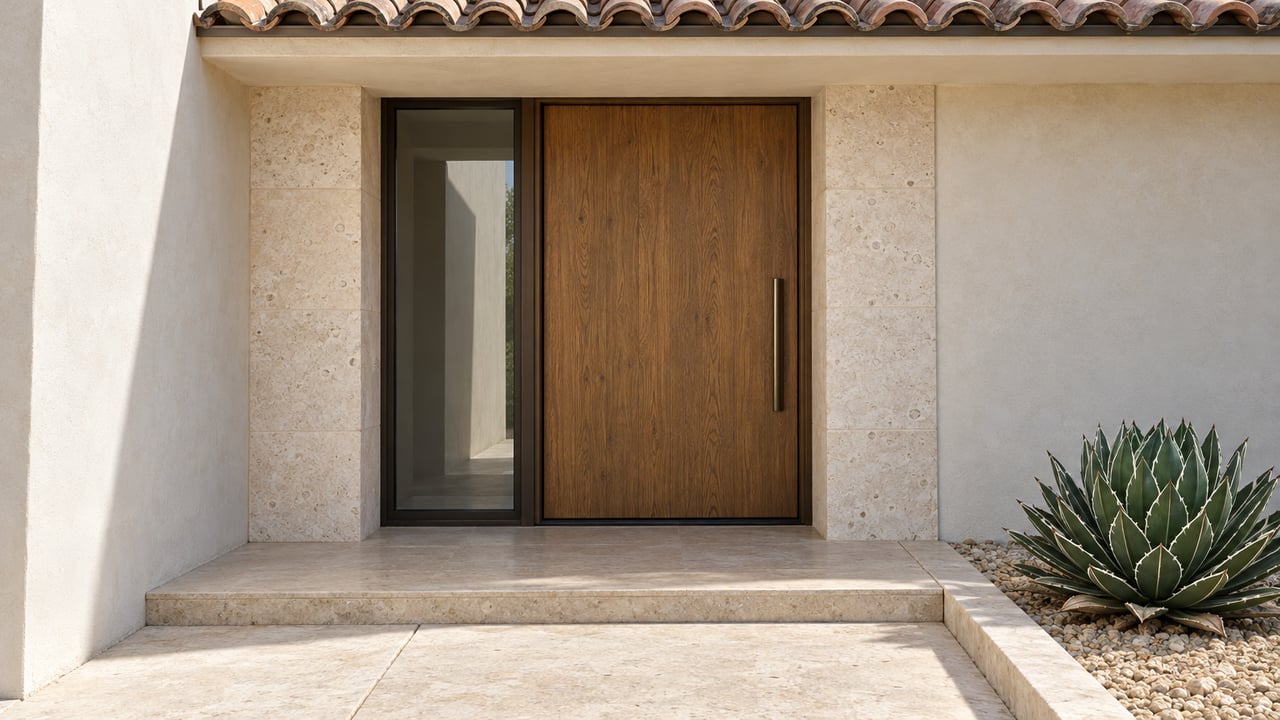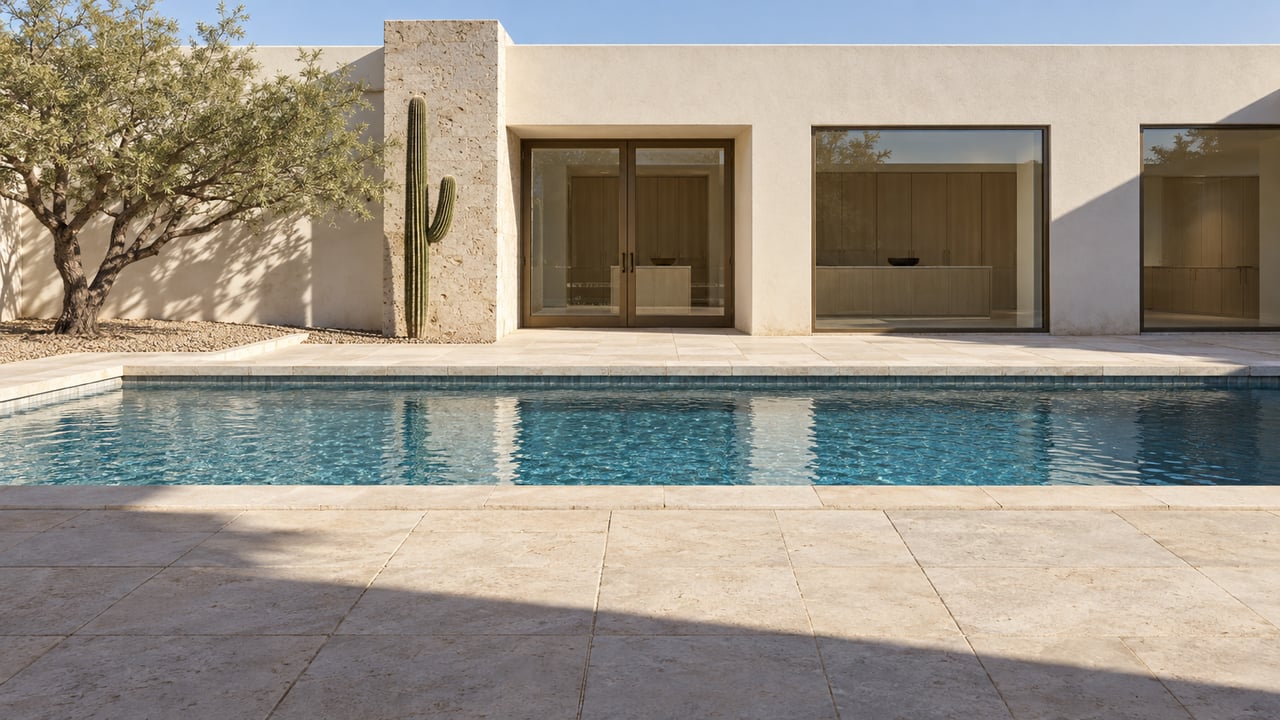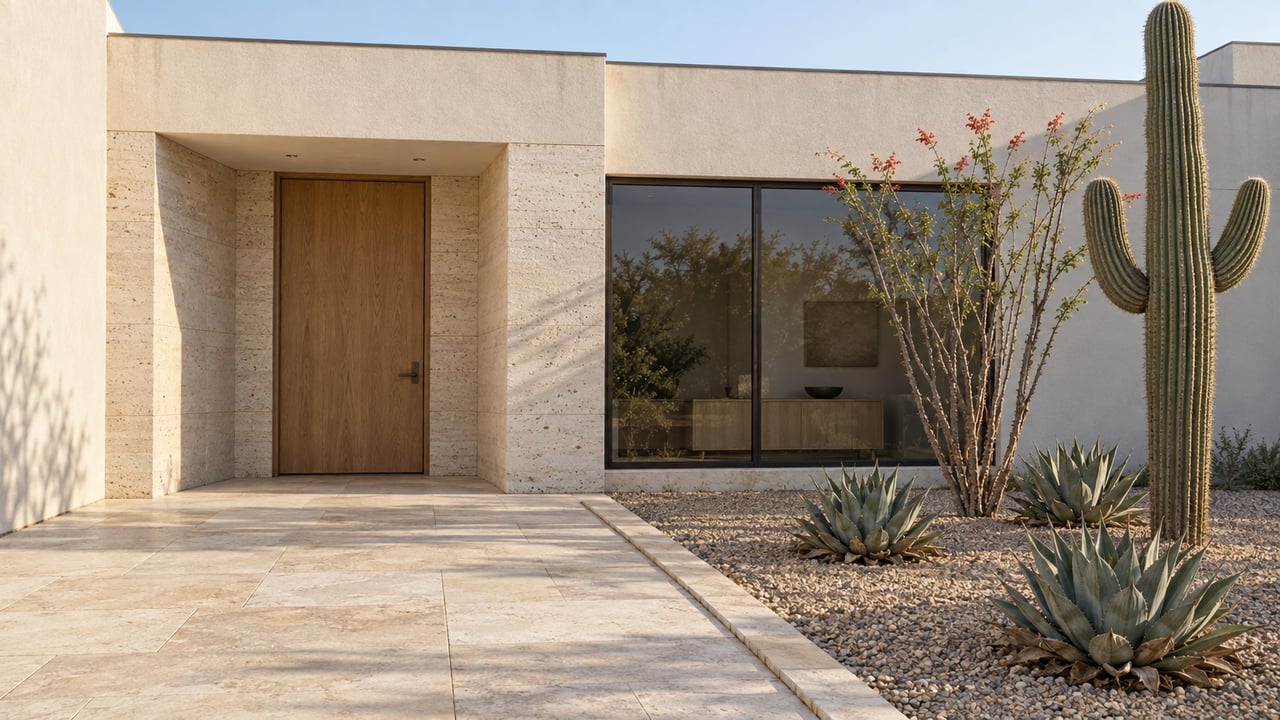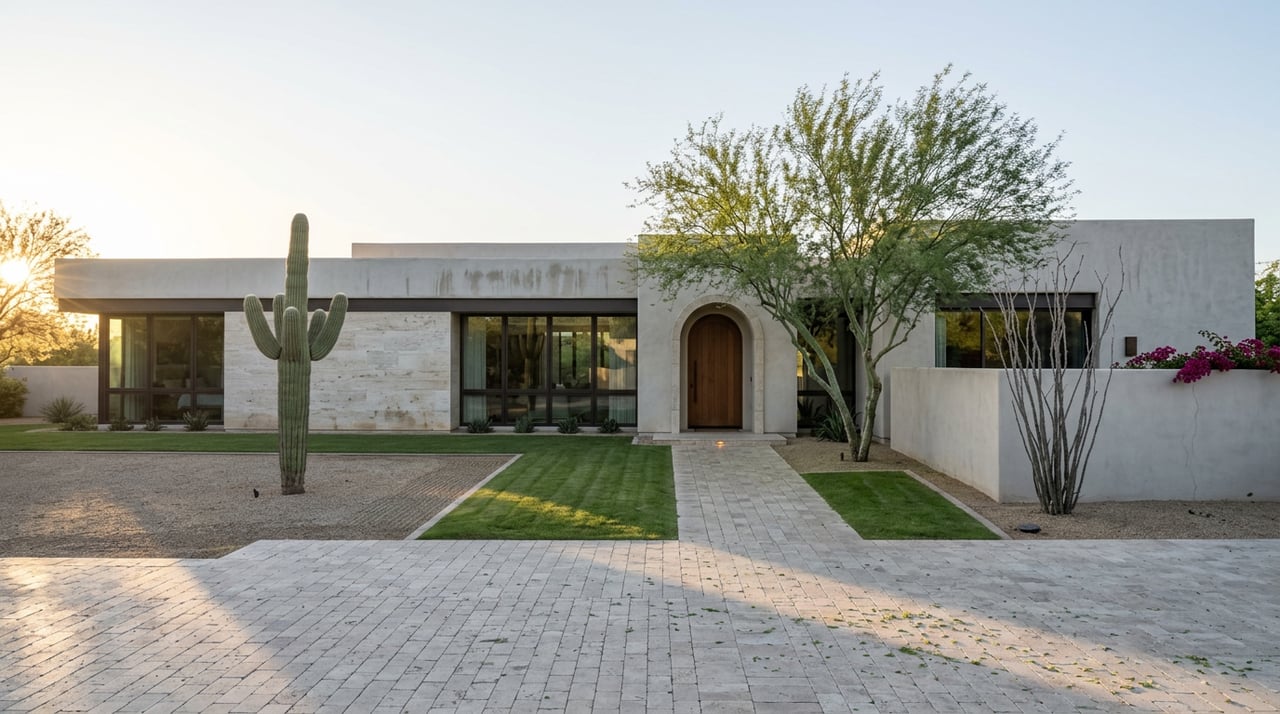
According to the Arcadia Camelback Mountain Neighborhood Association, a homeowner near Camelback Mountain asked the City of Phoenix for something specific: a use permit to build a detached accessory dwelling unit between the primary residence and the front property line, on a lot zoned RE-24 under the Arcadia Camelback Mountain Special Planning District. The request went to a public hearing. The Arcadia Camelback Mountain Neighborhood Association, the volunteer group that reviews zoning matters inside its boundaries, weighed in before the City's Zoning Adjustment Hearing Officer made a call.
That single filing tells you more about building a casita in Arcadia than any statewide law does. Arizona's legislature has spent two sessions making ADUs easier to build almost everywhere. Arcadia is one of the few Phoenix neighborhoods where the math should work best and where a local review body still has a formal say in whether it does.
The state handed homeowners a bigger yes
House Bill 2720, passed in 2024, forced Phoenix and other Arizona cities to allow at least one accessory dwelling unit on most single-family lots. House Bill 2928, the follow-up sometimes called the Casita Reform Act, extended the same framework to unincorporated county land starting January 1, 2026. Together they set a floor: cities can't ban ADUs outright, can't require the owner to live on site, and can't impose parking rules just because a casita gets added.
Phoenix's own ordinance, Zoning Ordinance Section 706, does the rest of the math. On a lot up to 10,000 square feet, the ADU caps out at 1,000 square feet. On anything larger, the cap becomes the lesser of 3,000 square feet or 10 percent of the net lot area, and the unit still can't exceed 75 percent of the primary home's gross floor area.
That second tier is where Arcadia lives, though the ceiling moves with the lot. The neighborhood's parcels typically run from a half acre to several acres, a legacy of the citrus holdings the Arcadia Water Company irrigated back in the 1920s. A half-acre lot, roughly 21,780 square feet, clears the 10,000-square-foot threshold and unlocks a casita of about 2,178 square feet, ten percent of the parcel. Reaching the full 3,000-square-foot ceiling takes something closer to seven-tenths of an acre, common enough in Arcadia but not universal. Either way, assuming the main house is large enough to support it under the 75 percent rule, this isn't a guest room. It's a second dwelling with its own kitchen, its own bathroom, and real rental potential.
The number that actually limits you isn't the cap
Here's the part the size-cap conversation skips. Lot coverage, the percentage of your parcel that can sit under a roof, is a separate limit from the ADU size cap, and it applies on top of it. A 3,000-square-foot ceiling on the casita means nothing if the main house, the garage, the pool cabana, and any prior additions already push the property close to its allowed coverage.
Arcadia's older stock makes this more likely, not less. Many of the neighborhood's homes date to the 1920s through the 1950s and have been added onto more than once. A detached garage converted decades ago, a covered patio roofed in without a permit, a pool house built for a previous owner: all of it is part of the property's history. Before anyone assumes the larger casita tier is available, the real first step is pulling the lot's building sketch from the Maricopa County Assessor's office and checking what's already on the books against the zoning district's coverage percentage.
When the math doesn't leave room, the association's review becomes relevant.
A public process, not a private one
Arcadia listings frequently advertise no HOA, and it's true in the sense that matters to most buyers: there's no private association collecting dues or enforcing paint colors through a covenant. But "no HOA" describes private deed restrictions, not the City's public zoning process, and Arcadia still has an active party at that table.
The Arcadia Camelback Mountain Neighborhood Association's preservation committee reviews every variance application filed within its boundaries before the City's hearing officer rules on it, and the association has published its own standing position: it will oppose any variance that asks for an increase in lot coverage. Recent case files on its site include a request to reduce a front yard setback to 5 feet for a detached accessory structure where 30 feet is normally required, and the use permit case for the detached ADU placed between the home and the front property line. These aren't hypotheticals. They're the actual shape of what a coverage-driven casita request looks like once it reaches a hearing.
None of this means Arcadia is hostile to ADUs. State law requires cities to allow an ADU on most single-family lots, The association can, through the ordinary channels of a zoning variance hearing, is weigh in on where the structure sits, how close it comes to a setback line, and whether the lot's coverage gets pushed past what the underlying zoning already allows. For a buyer or owner planning around a specific dollar figure of rental income, that's the difference between a project that clears in a few weeks and one that adds months of hearing dates to the calendar.
What this changes about the rental math
Long-term rental rates for Phoenix-area ADUs generally run $1,200 to $3,500 a month depending on size and finish, and Arcadia sits at the higher end of that range along with North Scottsdale and central Phoenix. That's a real number, but it only applies to a unit that actually gets built at the size assumed in the pro forma. A 3,000-square-foot casita rents very differently than the 1,000-square-foot version that fits inside an existing footprint without triggering a coverage review.
That's the practical reason to separate two different projects that both get called "adding a casita." Converting an existing detached garage into a livable unit, common across Arcadia's older lots where houses are modest but garages and workshops are generous, usually stays inside the current footprint. Building new detached square footage to reach the full 3,000-square-foot cap is a different filing entirely, one that depends on how much coverage the lot has left and how the association reads the request once it's public.
Before the offer, not after
For a buyer evaluating a specific Arcadia lot with a guest house or rental unit in mind, the useful question isn't whether Arizona law requires cities to allow an ADU on most single-family lots. It does, and Phoenix's ordinance spells out exactly how big one can be. The useful question is how much of that allowance the lot has already spent, and whether reaching the rest requires a variance that a named, active reviewing body has a documented history of contesting on coverage grounds.
That's a five-minute check against the county assessor's building sketch before a single design dollar gets spent, and it's the kind of detail that separates a casita project that closes on schedule from one that's still waiting on a hearing date next spring.
If you're weighing a specific Arcadia property against its guest house or rental potential, Heyman Luxury can walk the lot's coverage math with you before you write the offer, not after.
This article is general information, not legal, tax or financial advice. Consult a qualified professional about your situation.