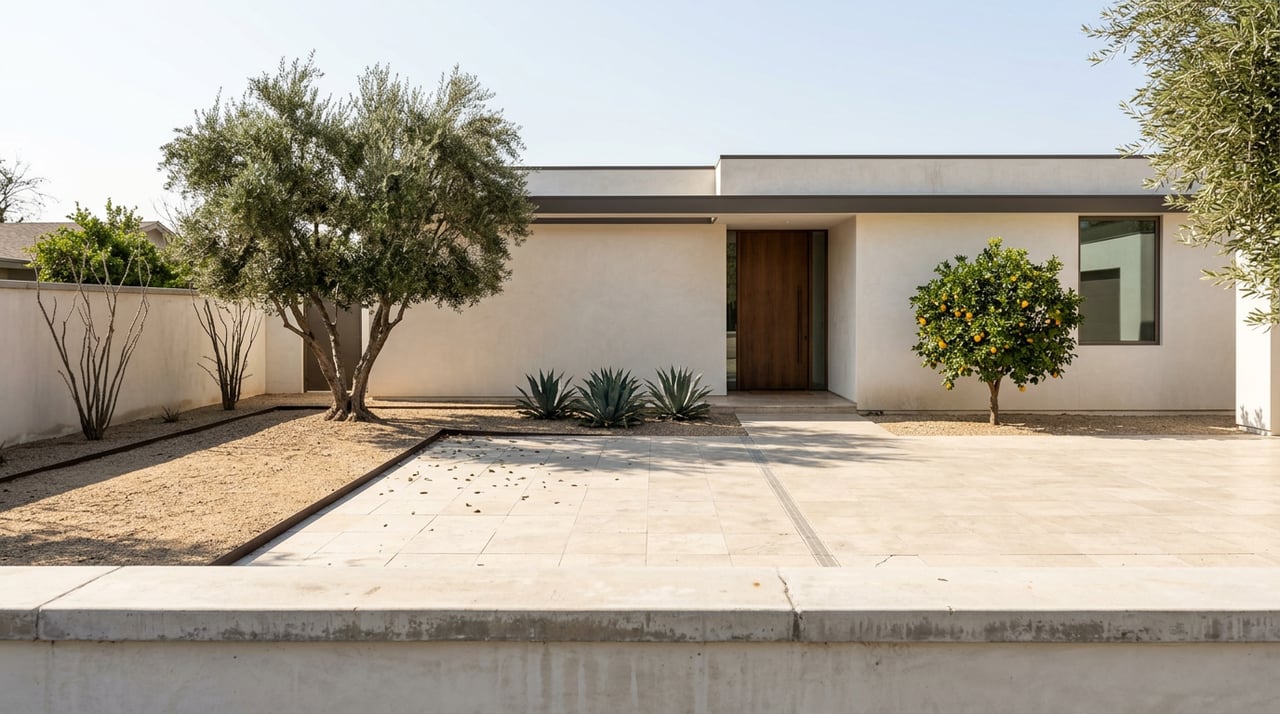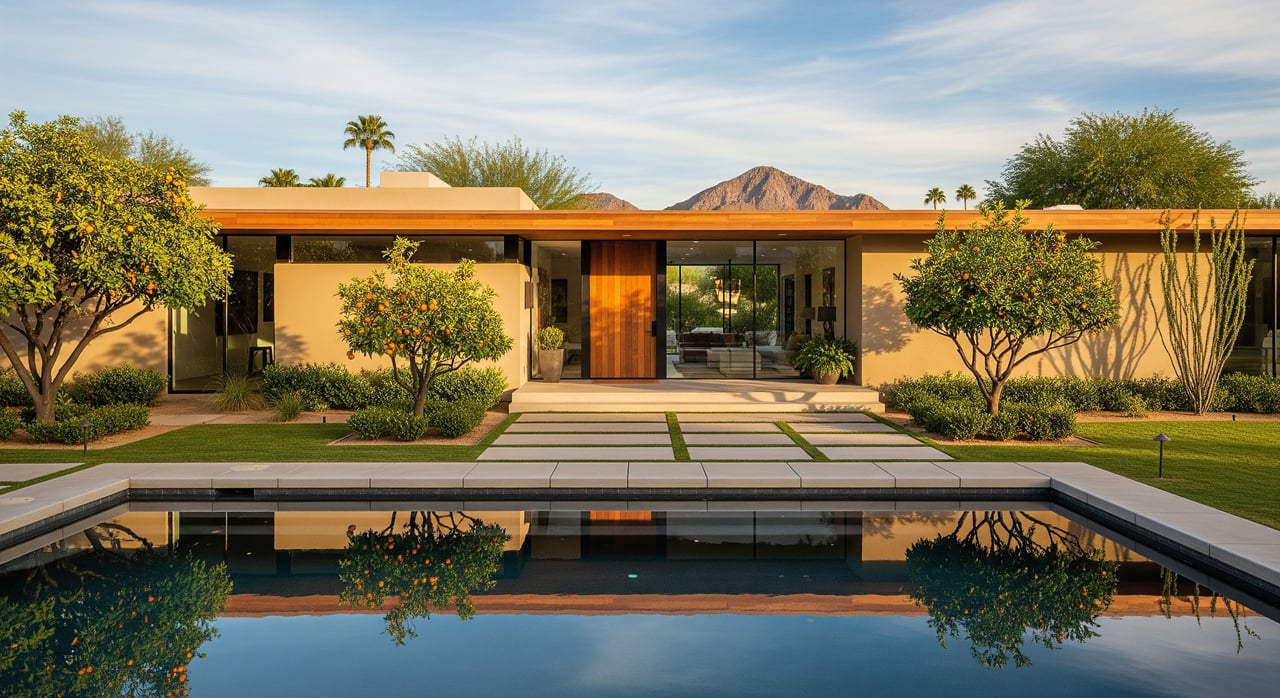
What makes one Arcadia estate appraise higher than another that looks similar on paper? In a neighborhood where lot size, views and custom design all vary, pinning down true market value can feel complex. If you are buying, selling or preparing to list, understanding how luxury appraisals actually work will help you price with confidence and navigate surprises. In this guide, you will learn the rules appraisers follow, what drives value in Arcadia, how to prepare, and what to do if an appraisal comes in low. Let’s dive in.
What a luxury appraisal does
An appraisal is a licensed appraiser’s independent opinion of market value on a specific date and under stated conditions. Lenders use it to underwrite risk, and many sellers order one before listing to set a defensible price. For luxury properties, the analysis is deeper because the features, finishes and sites are more unique.
The rules appraisers follow
Appraisers must follow national standards known as USPAP, published by The Appraisal Foundation. Mortgage lenders also apply guidance from the Fannie Mae Selling Guide and the Freddie Mac Seller/Servicer Guide, which shape scope, documentation and review. In Arizona, appraisers are state licensed and subject to oversight, and lenders maintain strict independence requirements when ordering and reviewing appraisals.
Why Arcadia luxury values are nuanced
Arcadia is one of Phoenix’s most desirable neighborhoods. Large lots, mature landscaping from former citrus groves, proximity to Camelback Mountain, and easy access to Biltmore and Scottsdale amenities expand the buyer pool. Those strengths create real pricing power, but they also make comparables more complex.
Location and lot factors that move value
- Views of Camelback and surrounding mountains often command premiums.
- Lot size and privacy matter. Larger, well-shaped parcels with thoughtful site plans typically appraise higher than smaller or irregular lots.
- Walkability to dining and shops, plus convenient access to nearby submarkets like Scottsdale, Biltmore and Paradise Valley, influences demand and comp selection.
Features appraisers weigh in Arcadia
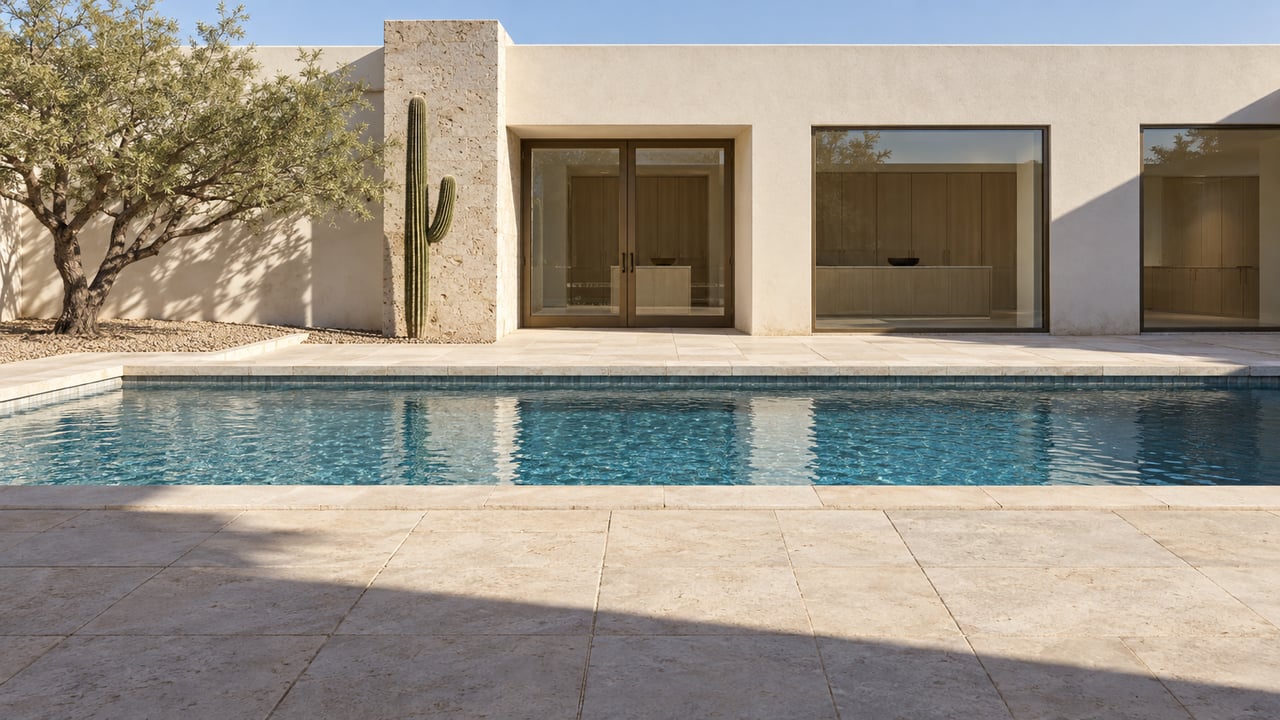
Arcadia homes frequently include extensive indoor-outdoor living, custom pools and outdoor kitchens, guest casitas or ADUs, and high-end kitchens and baths. Many properties are remodeled mid-century ranch homes or new custom infill builds. Appraisers examine quality of construction, system ages, and how well the layout functions for today’s living.
How appraisers determine value
Appraisers use three approaches to value, then reconcile to one opinion. For luxury homes, they often rely on all three to build a credible case.
Sales comparison in a thin comp market
The sales comparison approach is primary. In Arcadia, truly similar sales can be scarce. Appraisers may expand the search window, time-adjust older sales to current market conditions, or consider nearby neighborhoods with similar buyer profiles when appropriate. Adjustments for lot size, views, guest houses, pools, and finish quality are central to this work.
When the cost approach matters
The cost approach estimates today’s cost to build the improvements, less depreciation, then adds land value. It gains importance for new custom construction or when sales data is limited. While it is often supportive rather than determinative, it helps quantify the contributory value of high-cost features and unique builds.
Income approach in special cases
If a luxury property includes income-producing components, such as a rentable guest suite or short-term rental potential that is permitted, the income approach can provide a reality check. For most owner-occupied Arcadia estates, it serves as secondary support.
What to expect in the process
A luxury appraisal typically involves a longer inspection and deeper research. Expect full photo documentation, attention to mechanical systems and roof, and narrative analysis that explains the comp set and adjustments. Lenders sometimes order desk or field reviews to validate findings.
Timeline, fees and report format
Standard residential appraisals may take 7 to 10 business days. Luxury assignments with extensive analysis often take longer, commonly 1 to 3 weeks depending on complexity and review. Fees vary with property size, features and report scope, and luxury work usually commands higher fees than typical single-family assignments.
How to prepare for the appraisal
Preparation helps an appraiser see the full picture and reduces the risk of avoidable value gaps.
Seller checklist
- Create a detailed upgrades list with dates, costs and permits. Include receipts when possible.
- Provide floor plans or a measured sketch, surveys, permit history, and HOA documents if applicable.
- Share any credible comparable sales and explain their relevance.
- Ensure easy access to every area. Highlight mechanical systems, roof, pool equipment and maintenance records.
- Offer professional photos that document quality and key features. Staging improves presentation, but appraisers focus on real, permitted improvements and condition.
Buyer checklist
- Expect that in fast-moving markets, appraised value can trail a premium offer. Be ready to discuss appraisal gaps, additional cash, or contract adjustments.
- Share the comps you used to price your offer and any documentation of planned improvements or income potential if applicable.
- Consider an independent appraisal on complex properties or when offering well above recent sales.
Common issues in Arcadia and fixes
Few true comps
Problem: Limited recent sales with the same lot size, style or view profile. Remedy: Use older sales with careful time adjustments, broaden the search to nearby areas with similar demand when appropriate, and support with a cost approach.
Unique custom features
Problem: No direct market evidence for ultra-custom amenities such as elaborate wine rooms or specialty outdoor spaces. Remedy: Document replacement costs, provide quality photos, and use paired-sales logic when possible to show contributory value.
Low appraisal vs contract price
Problem: Competitive bidding or emotional pricing can outpace measured market data. Remedy: Provide the appraiser with a clear upgrade list, permits and strong comps; request a lender Reconsideration of Value with factual evidence; renegotiate or bring additional cash; or consider a second appraisal if the lender allows it.
Unpermitted work
Problem: Unpermitted additions or remodels often receive reduced contributory value. Remedy: Seek retrospective permits or obtain contractor invoices and municipal sign-offs where feasible.
Working with the right appraiser
Experience in Phoenix’s luxury segment matters more than volume. Look for appraisers who have completed similar Arcadia or nearby assignments, and confirm the appropriate credential level for complex, high-value homes. Discuss scope upfront, including report format, timeline, and whether floor plans, cost data and extensive photo appendices will be included.
Use credible local data
Appraisers and agents rely on verified local records and market reports for comps and trend context. For public parcel and tax data, consult the Maricopa County Assessor. Recorded sales information is available through the Maricopa County Recorder. For metro Phoenix market trends, review ARMLS’s public STAT archives for monthly context and time adjustments via the ARMLS STAT reports.
Final thoughts and next steps
In Arcadia, every luxury home tells a different story. The right preparation, documentation and comp strategy can help your appraisal reflect that story with clarity. Whether you are pricing a custom rebuild or evaluating a mid-century ranch on a prime lot, a disciplined approach will keep your transaction on track.
If you are planning to sell or buy in Arcadia and want a precise, market-ready strategy, connect with Adrian Heyman for a private consultation.
FAQs
Why might an Arcadia appraisal be lower than my contract price?
- In competitive conditions, offers can exceed recent closed sales. Appraisers must rely on verified comps, time adjustments and supported adjustments for features, which can trail rapid list-to-contract momentum.
Can I challenge a low appraisal on a luxury home?
- Yes. Work with your lender to request a Reconsideration of Value and provide stronger comps, upgrade lists, permits and factual corrections. A second appraisal may be possible depending on lender policy.
Should I get a pre-listing appraisal in Arcadia?
- It is often helpful for luxury sellers. A pre-listing appraisal can identify issues early, support pricing, and reduce appraisal risk once you enter escrow with a financed buyer.
Do appraisers consider upgrades and staging?
- Appraisers consider real, permitted upgrades and the quality of materials and systems. Staging can improve presentation and highlight function, but it has limited direct impact on appraised value.
How long do luxury appraisals take and what do they cost?
- Expect longer timelines than standard homes, often 1 to 3 weeks for complex estates. Fees vary with complexity, location and report scope; ask your lender or appraiser for current ranges.
What is the difference between a CMA and an appraisal?
- A CMA is an agent’s market analysis for pricing and marketing. An appraisal is an independent, USPAP-governed valuation prepared by a licensed appraiser for a specific purpose and effective date.