Are you weighing a quiet gated enclave against the freedom of an open estate in Paradise Valley? Both lifestyles thrive here, and each offers real advantages depending on what you value most. You might want privacy and controlled access, or you might prefer wide frontage, design flexibility and unobstructed views. In this guide, you will learn how gated communities and open-lot estates differ in security, rules, costs, emergency access, and resale so you can make a confident choice. Let’s dive in.
Paradise Valley living, two strong options
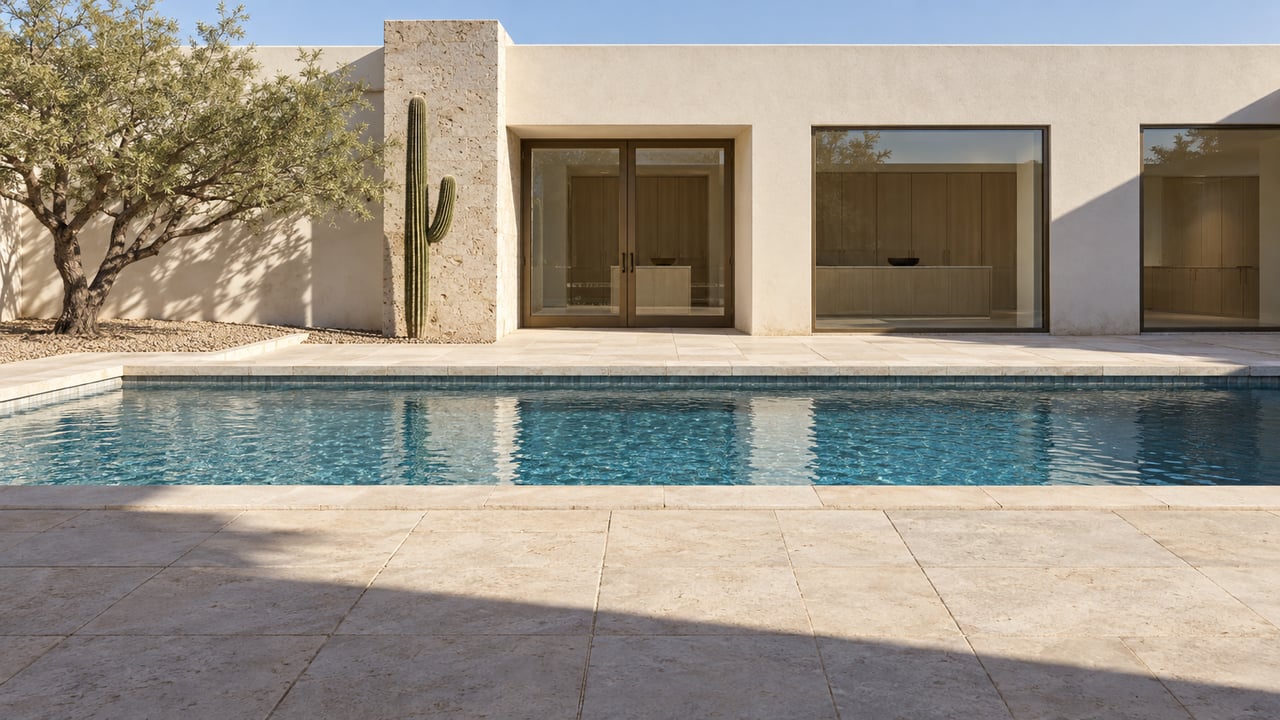
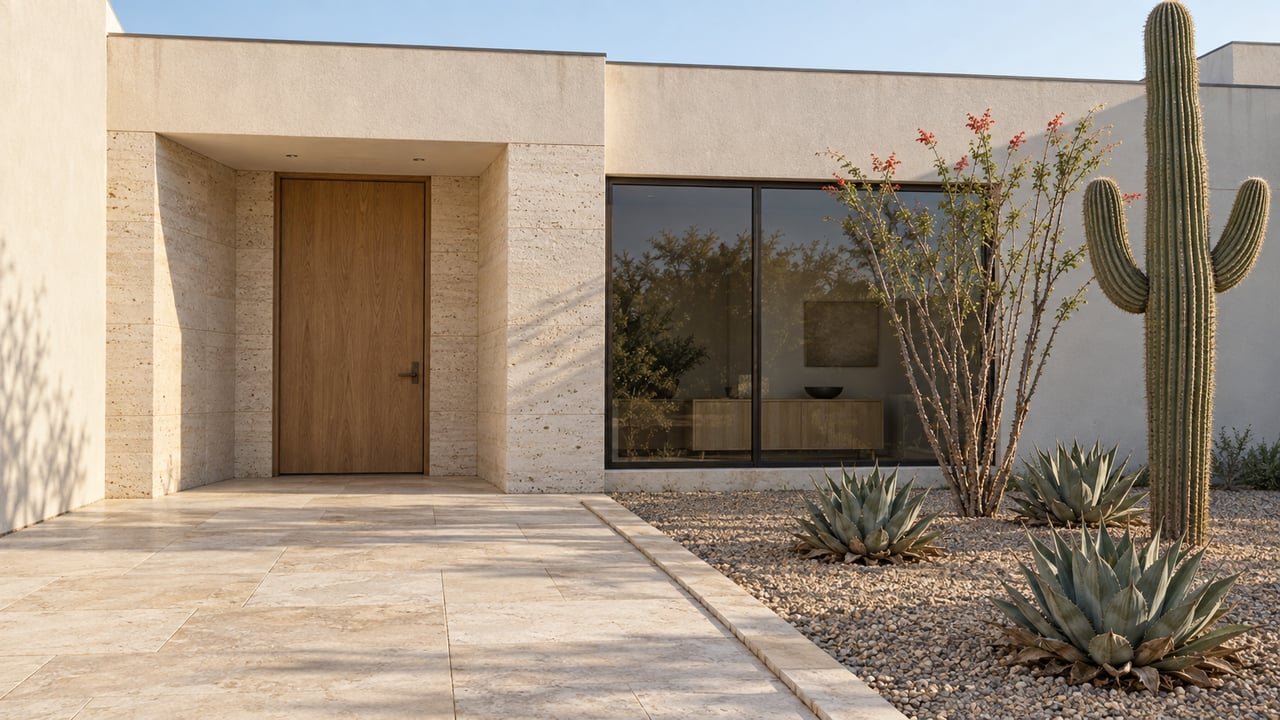
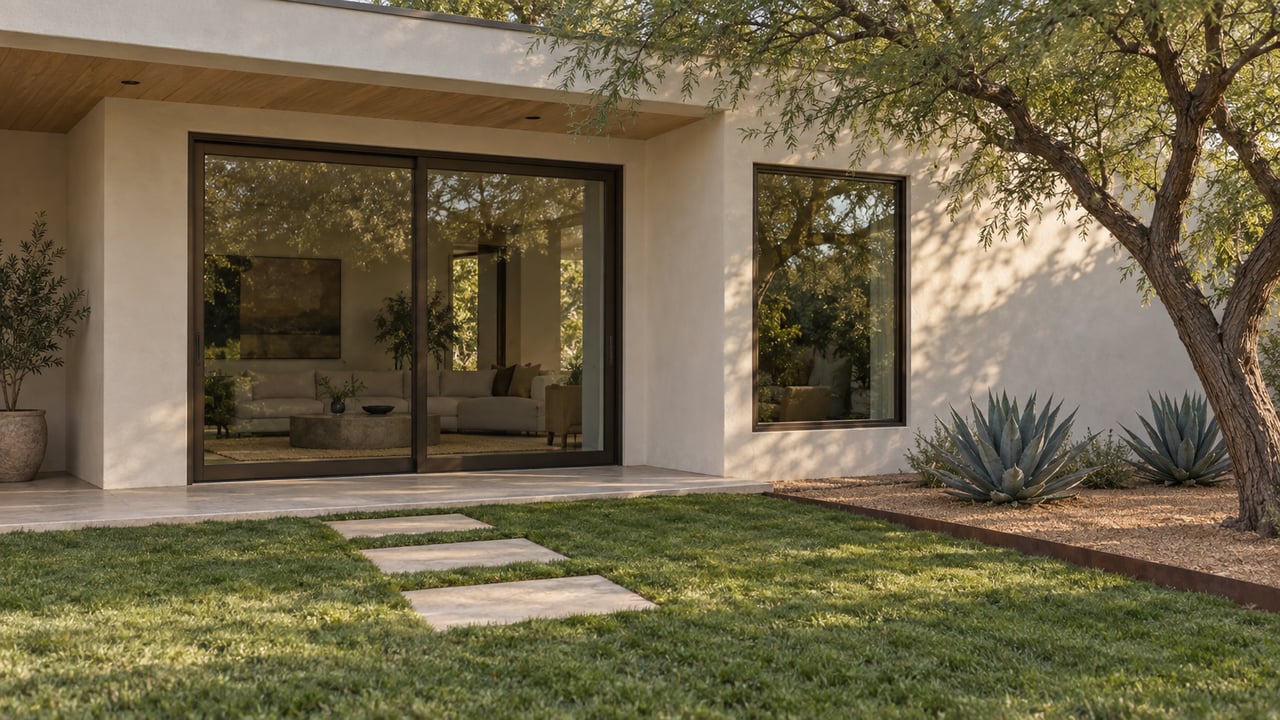
Paradise Valley is known for large lots, custom homes, and a luxury lifestyle centered on privacy, desert landscaping, pools, and views. You will find both small gated subdivisions and expansive open-lot estates. The right fit comes down to your priorities for daily convenience, design freedom, and long-term value.
Gated communities: What to expect
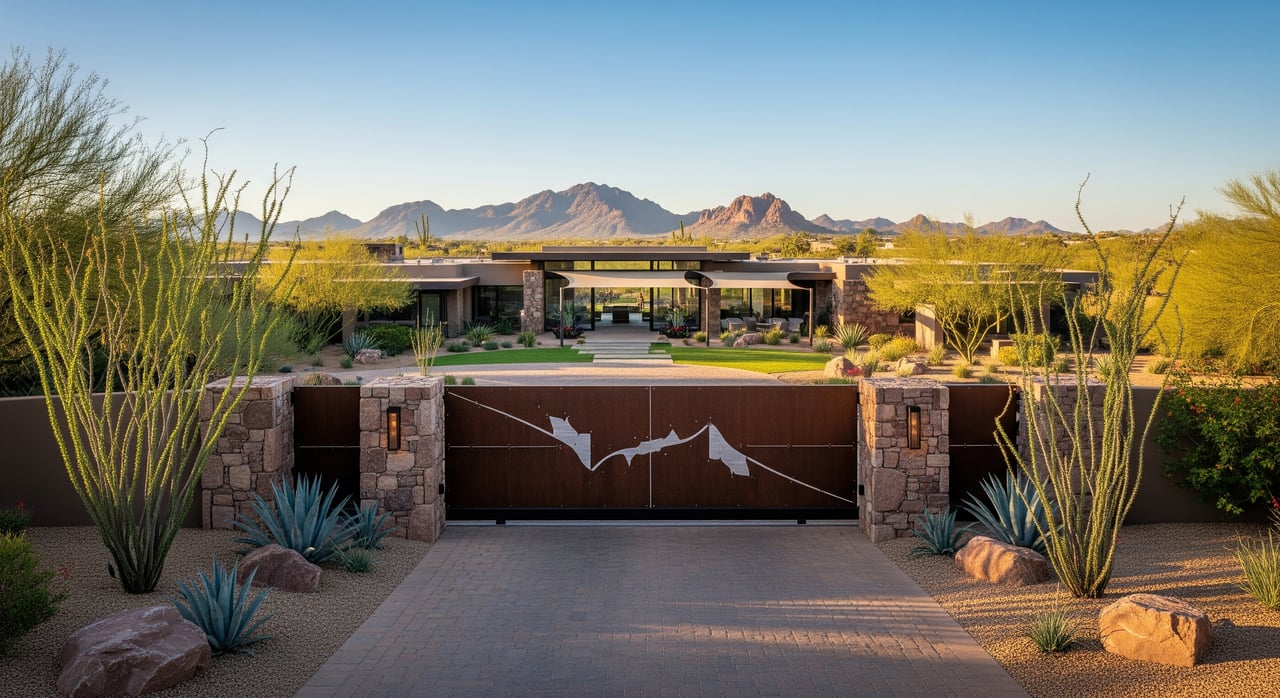
Gated neighborhoods provide controlled vehicle and pedestrian access and often reduce casual drive-through traffic and soliciting. Entry can be staffed or managed by codes, clickers, or call boxes. In many cases, an HOA oversees common areas, gate operations, and architectural standards.
The trade-off is convenience and cost. Gates need ongoing maintenance and backup power, and guest or contractor access is structured by community procedures. Rules and design controls can be beneficial for consistency, yet they can also limit certain exterior changes.
Open-lot estates: What to expect
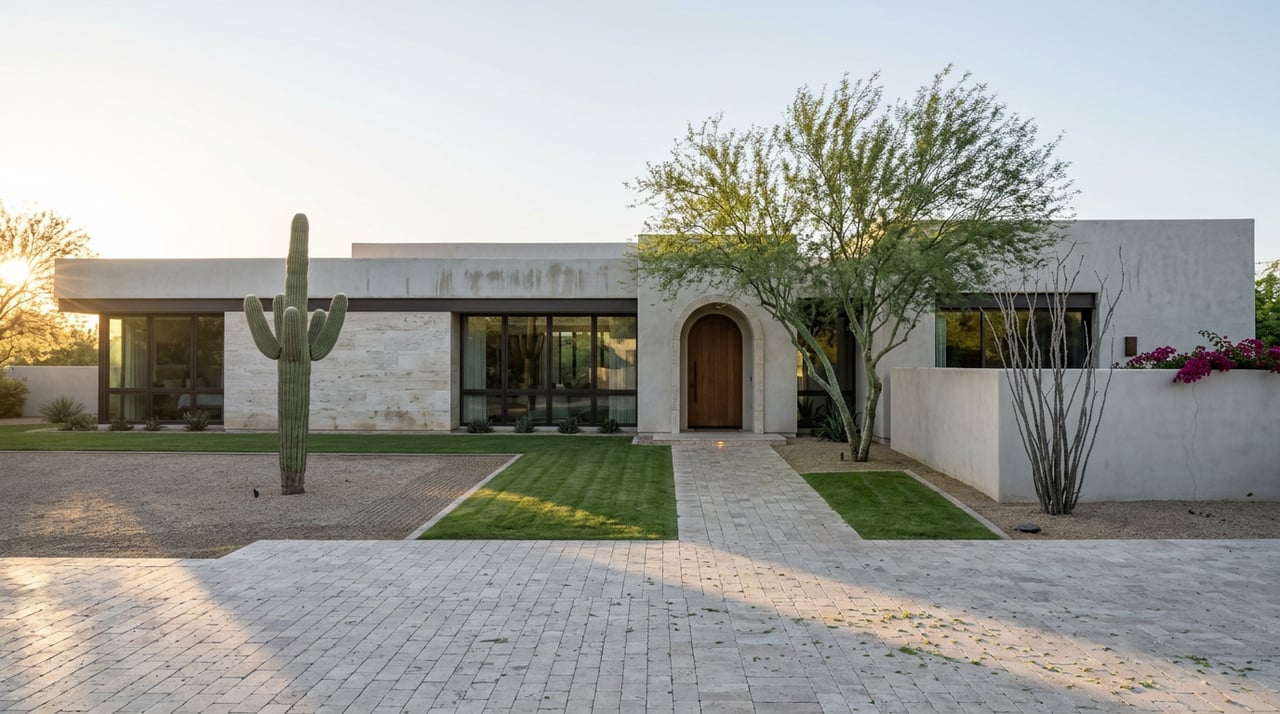
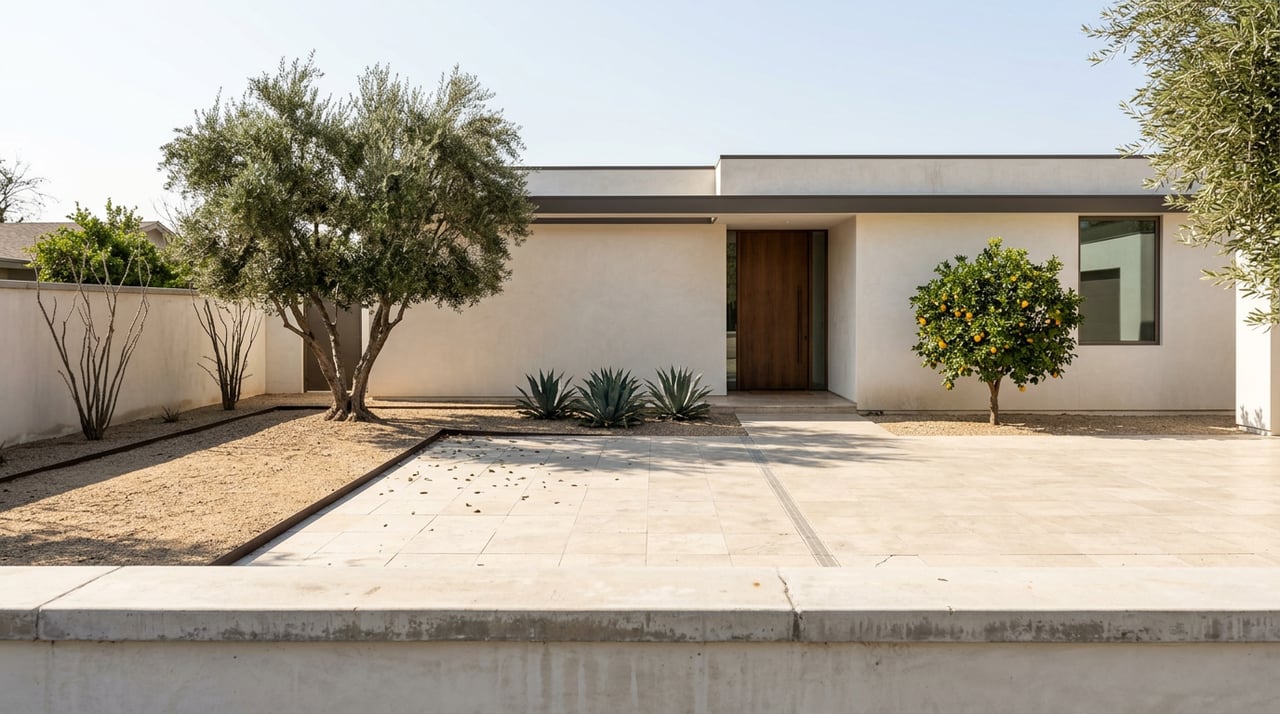
Open-lot properties offer expansive frontage, prominent curb presence, and often better solar exposure for yards and pools. Many owners prioritize design freedom and the ability to execute custom projects without HOA-level architectural approvals.
With fewer neighborhood restrictions, you typically carry full responsibility for site upkeep and any private drive maintenance. Public access is simpler for deliveries and guests, though you have more exposure to passing traffic.
Security and access
Gated communities
- Controlled entry helps deter casual trespass and uninvited traffic, which many owners value.
- Access systems require coordination for residents, guests, and service providers. The setup matters for your daily convenience.
- Emergency entry must comply with local fire and rescue standards. Confirm items like Knox box access and automatic unlocking so first responders can enter quickly.
Open-lot estates
- Open frontage can allow natural visibility from the street, and access is straightforward for visitors, deliveries, and vendors.
- You may choose to add private security measures such as cameras and perimeter fencing if permitted by local code.
Privacy and lifestyle
Gated communities
- The gate creates a buffer from public roads and usually results in quieter interior streets.
- Some communities feature shared amenities like small parks or common greens, which are managed by the HOA and subject to community rules.
Open-lot estates
- Larger lots can provide excellent view corridors, spacious outdoor living, and a strong curb presence.
- You control the level of privacy through strategic landscaping, walls, and placement of outdoor amenities, subject to town permitting and setbacks.
Rules, design, and freedom
Gated communities
- Most are governed by an HOA with CC&Rs, architectural review, exterior guidelines, and landscaping standards.
- Pros include consistent neighborhood aesthetics and common-area maintenance that can support property values.
- Cons include recurring dues and rules that may limit exterior modifications, privacy walls, or lighting.
Open-lot estates
- You often have more freedom for custom projects, guest structures, or hobby spaces if zoning allows.
- Town and county regulations still apply. You must follow local zoning, setbacks, pool and fence codes, and any recorded covenants.
Costs and maintenance
HOA dues vs owner responsibilities
- Gated neighborhoods usually charge HOA dues to fund gate upkeep, private road maintenance, common-area landscaping, security services, and reserve funds. In luxury enclaves, dues can be moderate to high depending on services and road length.
- On open lots, you may have little or no HOA cost, but you are responsible for all site work, including landscaping, pool care, and any private drive repairs.
Insurance and utilities
- Gated status alone does not guarantee lower homeowner insurance. Underwriting typically depends on the property’s features, prior claims, fire exposure, and other risk factors.
- Verify whether roads, water, sewer, and power are public or private. Private infrastructure shifts maintenance and replacement costs to owners or the HOA.
Emergency access and safety
- Gates must allow rapid first-responder entry. Confirm compliance with local fire standards for gate hardware, Knox box access, and automatic unlocking on command.
- Pool safety is closely governed. Check town and county requirements for pool barriers, alarms, and permitting.
- Desert-wise landscaping and defensible space practices may be encouraged for safety and insurance. Verify any applicable town or fire authority guidance.
Resale and value in Paradise Valley
In Paradise Valley, the premium for lot size, views, and quality of construction often outweighs whether a property is gated. A gate can add appeal for buyers who prioritize privacy and controlled access, yet some buyers prefer the flexibility of open estates without HOA restrictions. The best approach is to compare apples to apples, isolating lot size, orientation, architecture, and condition before assigning value to the presence of a gate.
Buyer due diligence checklist
Use this list to streamline your evaluation of any Paradise Valley property.
Governance and access
- Is the property in a gated community or HOA? Obtain CC&Rs, bylaws, budgets, reserve studies, and recent meeting minutes.
- Confirm dues, timing of last increases, and any pending or recent assessments.
- Understand gate operations, resident access methods, and visitor or contractor procedures.
- If on a private road, identify who maintains it and how costs are shared.
Emergency access and safety
- Verify that gates meet local fire and emergency access codes, including Knox box and emergency egress features.
- Ask about any history of access delays and what has been done to address them.
- Confirm pool permits and barrier compliance.
- Review landscaping requirements or water-use rules that may affect maintenance.
Infrastructure and utilities
- Determine whether water, sewer, and power are on public mains or private systems.
- For septic, private wells, or private sewer, obtain inspection and maintenance records.
Title, easements, and legal
- Order a title search for road access, gate maintenance agreements, reciprocal easements, and any view or solar easements.
- Check for deed restrictions beyond HOA rules.
- Review any rental or short-term rental restrictions.
Insurance and financing
- Ask your insurer about premiums for hillside exposure, pools, private roads, and other risk factors.
- If applicable, confirm with your lender how HOA financials and assessments affect financing.
Market comparables and valuation
- Request comparable sales that separate the value of lot size, view corridors, and construction quality from the gated factor.
- Consider days on market and the likely buyer pool for each property type.
Seller preparation checklist
Position your property to move smoothly and maximize results.
- Gather governing documents: CC&Rs, bylaws, budgets, reserve studies, recent minutes, and any gate maintenance agreements.
- Compile service and maintenance records for gates, private roads, pools, and major systems.
- Confirm permits and final approvals for additions, pools, fencing, or remodels.
- Obtain a preliminary title report to surface easements or covenants early.
- Document utility status, including any private systems and recent inspections.
- Prepare a disclosure package that addresses known conditions and recent improvements.
Which lifestyle fits you
Choose gated living if you value controlled access, consistent streetscapes, and shared maintenance of common areas. Choose an open-lot estate if you want design freedom, broader frontage, and responsibility for your own site without HOA-level oversight. In both cases, the Paradise Valley experience centers on privacy, views, indoor-outdoor living, and quality construction. The best decision is the one that aligns with your daily routine and long-term goals.
When you are ready to compare specific properties, curated comps and on-the-ground insight make all the difference. For a private, white-glove consultation and a side-by-side plan tailored to your priorities, connect with Adrian Heyman.
FAQs
Will a gate increase my property value in Paradise Valley?
- It can for buyers who prioritize privacy and controlled access, but lot size, views, and construction quality often drive value more than a gate.
Do gates delay emergency response in Paradise Valley?
- Properly designed and maintained gates with approved emergency features are intended to minimize delays. Always verify local compliance.
Are HOA fees high in gated communities here?
- Fees vary widely based on services like private road upkeep, landscaping, and security. Review the HOA budget and reserve study to understand costs.
Who pays for gate and private road repairs?
- It depends on ownership and recorded agreements. In many cases an HOA or owners’ association funds maintenance based on the governing documents.
Are open-lot estates more flexible for remodels or additions?
- Typically yes, since there are fewer neighborhood-level design controls, but you still must follow town zoning, setbacks, and building permits.