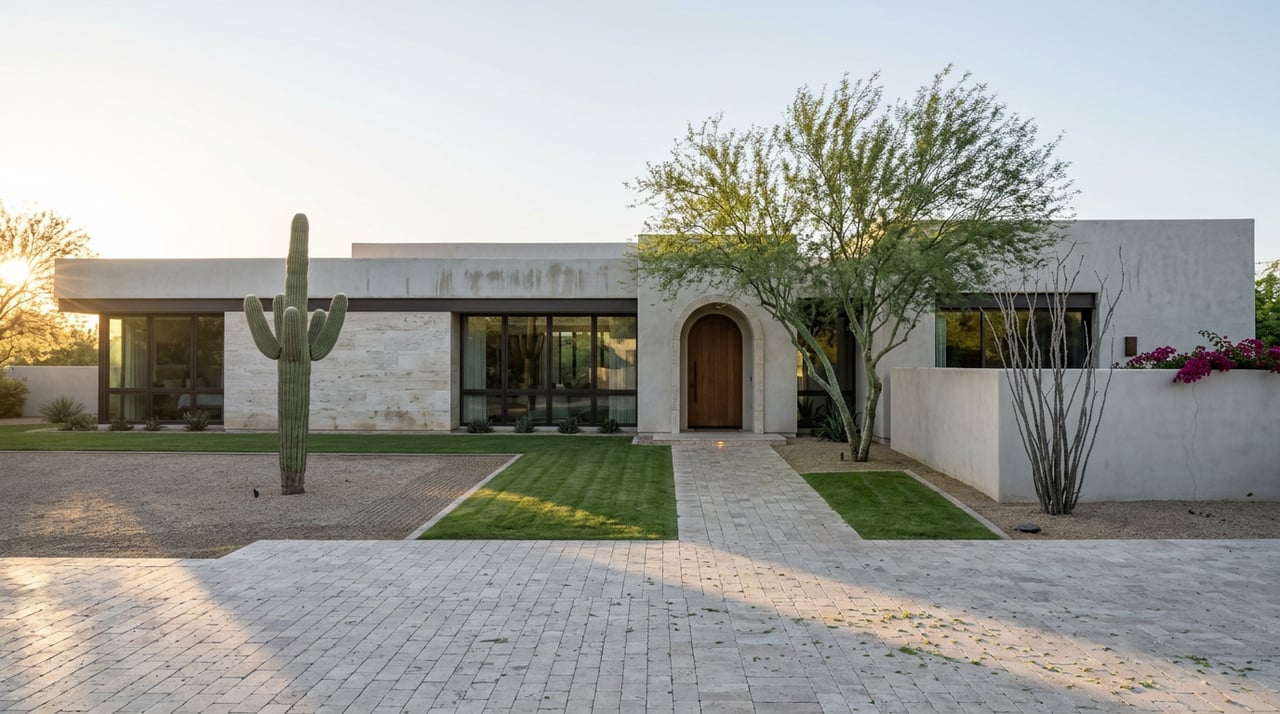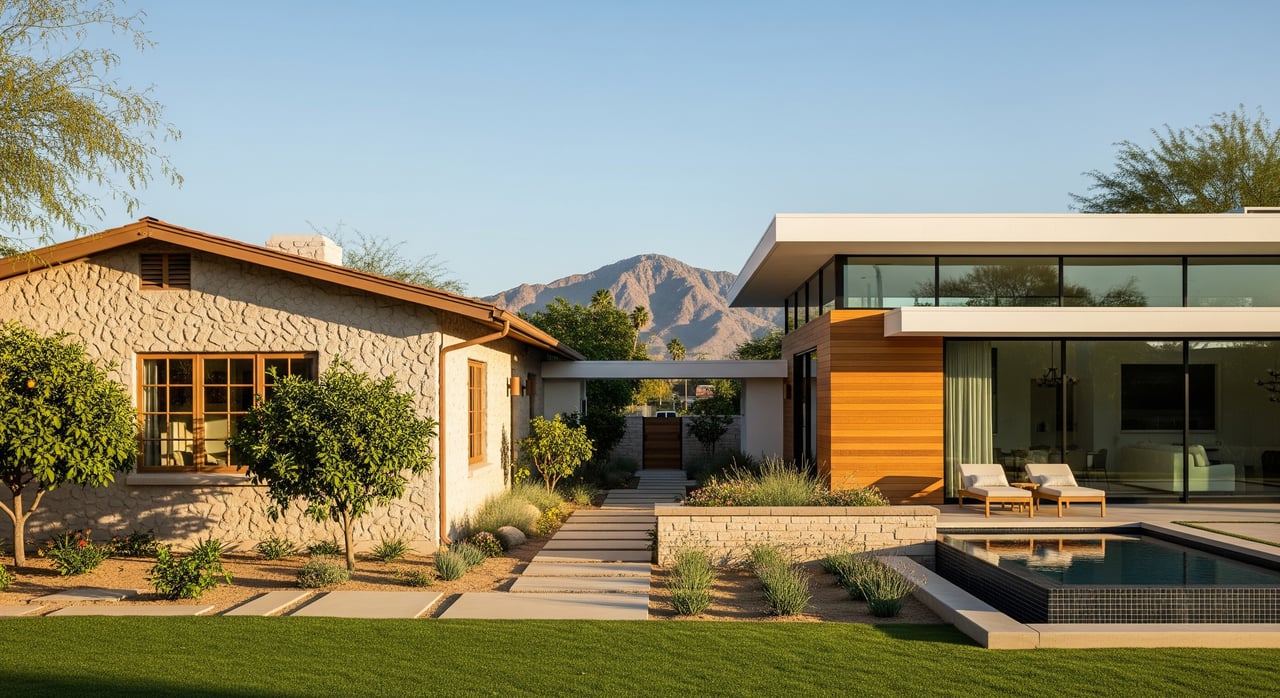
Torn between Arcadia’s citrus-era charm and the clean lines of a brand-new luxury build? You are not alone. Arcadia attracts buyers who love character and those who want modern convenience, often on the very same street. This guide walks you through the real tradeoffs so you can match your goals to the right property path, whether you are buying or selling. Let’s dive in.
Why Arcadia stands out
Arcadia’s appeal is simple and powerful: larger lots than many newer areas, mature trees and landscaping, mountain views, and quick access to both central Phoenix and Scottsdale. Those advantages drive demand for both preserved historic homes and high-end new construction.
At the same time, lots are scarce. Infill and tear-downs are common, which keeps lot values strong. Buyer preferences tend to split: some of you want original details and single-story living, while others want contemporary design, bigger footprints, and modern systems.
New builds: Who they fit
If you value turnkey living, open layouts, tall ceilings, abundant natural light, and integrated tech, a new build may be your best fit. You also gain the benefit of modern materials, improved energy efficiency, and near-term maintenance ease.
Design and layout
New luxury builds in Arcadia often emphasize open-concept living, indoor-outdoor flow, and chef-level kitchens. You can prioritize orientation for views, ceiling heights, and natural light. Multi-story options can expand square footage while managing lot coverage.
Maintenance and systems
New builds typically come with modern electrical, plumbing, insulation, and HVAC. You can expect lower maintenance in the early years and may receive builder warranties. While the upfront cost can be higher, early ownership often feels simpler.
Permits, inspections, and approvals
A new build or tear-down usually requires demolition permits, building permits, and municipal inspections for foundation, framing, electrical, plumbing, and mechanical systems. Depending on the lot and trees, you may also need grading or tree-related permits. In Arcadia, jurisdiction may vary by exact location, so confirm whether you are under the City of Phoenix or Maricopa County processes.
Timeline to occupy
Your timeline matters. Existing homes often close within the typical 30 to 60 days. New construction can range from a few months for a nearly finished spec to 9 to 18 months or more for a custom build, depending on design, permitting, and supply conditions. Plan for contingencies, interim housing, and a detailed builder schedule.
Financing and appraisal
New construction often involves construction-to-permanent loans or builder financing. Appraisals can be complex if there are few recent comps for similar luxury builds on nearby lots. Work with a lender and appraiser who understand Arcadia’s lot-driven value and infill trends.
Taxes and reassessment
Significant new construction typically triggers reassessment by the Maricopa County Assessor, which can increase property taxes. Ask how timing works once the build is complete so you can plan your long-term costs.
Resale appeal
High-quality new builds in Arcadia can command premium prices due to design, square footage, and systems. As with any luxury property, value is tied to location on the street, lot size, build quality, and how well the home balances aesthetics with function.
Quick checklist: New builds
- Verify builder license, references, portfolio, and warranty terms.
- Confirm permits, inspections, and jurisdiction requirements.
- Review lot boundaries, setbacks, easements, and lot coverage limits.
- Assess soil compaction and drainage solutions.
- Inventory tree preservation plans and costs for removals.
- Confirm utility connections and lateral conditions.
- Align financing, appraisal strategy, and timeline.
Historic homes: Who they fit
If you love original character, mature yards, and the feel of an established street, a historic Arcadia home can be a perfect match. Many are single-story, with mid-century ranch or Spanish influences, and unique details that newer builds do not replicate.
Character and lifestyle
Historic homes may feature original hardwoods, built-ins, citrus-era layouts, and established shade trees. For many buyers, these details are the soul of Arcadia. You can also balance character with selective updates that respect the architecture.
Maintenance and systems
Older homes can bring hidden costs. Common concerns include outdated electrical service, older plumbing, roofing, insulation, and potential termite or pest issues. Some buyers set aside a contingency for upgrades and deferred maintenance. In some markets, people use a 10 to 20 percent rule-of-thumb, but actual needs vary widely by property.
Renovation potential and constraints
Many historic homes can be remodeled successfully, but structural changes and retrofit work can add complexity. If a property is within a local historic overlay or district, exterior changes may need design review. On most Arcadia lots, basements are uncommon and slab foundations are typical, which affects how you plan plumbing or layout changes.
Inspections and due diligence
A thorough inspection is essential. Beyond the general home inspection, consider specialized checks: sewer scope, termite inspection, roof evaluation, HVAC capacity, and a review of prior permits for additions or major systems. Ask for maintenance records and any engineering reports.
Financing and insurance
Conventional loans are common for older homes. Lenders may require that certain systems meet basic standards, and FHA or VA loans may require repairs. Insurance replacement costs can be higher if specialized materials or craftsmanship are needed.
Taxes and reassessment
Modest updates may not shift taxes significantly, but substantial improvements can trigger reassessment similar to new builds. If a property has local historic designation, consult the City of Phoenix about any incentives and design-review expectations for exterior changes.
Resale appeal
Well-preserved or thoughtfully renovated historic homes attract buyers who prioritize character and established landscaping. Resale strength depends on lot size, location, quality of updates, and how well the home lives by today’s standards.
Quick checklist: Historic homes
- Order a full home inspection plus sewer scope.
- Schedule termite and pest inspections.
- Evaluate electrical capacity and wiring type.
- Review plumbing material and sewer lateral condition.
- Inspect roof age and material.
- Assess HVAC age, ductwork, and insulation.
- Verify permit history for additions or major systems.
- Evaluate tree health and irrigation systems.
Lots, landscaping, and trees
Mature landscaping is a signature Arcadia advantage. Shade trees, citrus, and established lawns enhance curb appeal and comfort. When building new, tree removal is often necessary for footprint or utilities, and replacement costs should be considered. If you plan to preserve key trees, engage an arborist early to plan for protection zones, irrigation, and grading.
Drainage and irrigation need a close look on any lot. Confirm how water moves across the site, whether irrigation overspray affects the structure, and how soil compaction or grading will handle heavy rain. If you are considering xeriscaping, plan for aesthetics that fit Arcadia’s streetscape while reducing water usage.
Permitting, zoning, and approvals
Before you commit to a remodel or rebuild, confirm your jurisdiction and applicable rules. Depending on the exact address, you may work with the City of Phoenix or Maricopa County. Expect setbacks, lot coverage limits, and utility access checks. If there is a local historic overlay or district, exterior changes may require design review. For tear-downs, plan for demolition permits plus inspections during construction.
Financing, appraisal, and insurance
- Historic homes: Conventional financing is common, but lenders may require repairs for certain loan types. Appraisers may adjust for older systems or lack of recent upgrades. Insurance can reflect higher replacement costs for specialized materials.
- New builds: Construction-to-permanent loans are typical for custom projects, and builder financing may be available for spec homes. Appraisals can be challenging without recent luxury comps. Confirm coverage for the build period and final occupancy.
Taxes and value trajectory
Substantial improvements or full new builds typically prompt reassessment by the Maricopa County Assessor. That can increase annual property taxes. Both well-executed renovations and high-quality new builds can perform well in Arcadia, but value is always tied to lot, location, and quality.
Timeframe, contingencies, and move-in
- Existing homes: Expect a standard close in roughly 30 to 60 days, subject to underwriting, inspections, and negotiation.
- New construction: Plan for several months to over a year depending on whether it is a spec, semi-custom, or fully custom build, along with permitting and supply factors. Budget time for inspections, punch lists, and warranty follow-up.
Sellers: Renovate, sell as-is, or sell to a builder
As a seller, your best path depends on condition, lot value, and your goals.
- Sell as-is to an owner-occupier: Appeal to buyers who value character and plan their own updates.
- Sell as-is to a builder: If the home is functionally obsolete or systems are very dated, lot value can drive the sale. Tear-down transactions are common in Arcadia due to lot scarcity.
- Targeted renovations before listing: Strategic updates to kitchens, baths, exteriors, or major systems can widen the buyer pool. Balance budget, timeline, and likely return.
Before you list, assemble permits, maintenance records, engineering reports, and any tree surveys. Well-documented homes sell with more confidence and fewer surprises.
Quick checklist: Sellers
- Order a pre-sale inspection to surface issues early.
- Compile maintenance records, permits, and improvement lists.
- Evaluate buyer pools: owner-occupier, developer, or both.
- Compare as-is value to lot value and recent tear-down comps.
- Consider targeted improvements with strong ROI in Arcadia.
How to choose your path
Use these five lenses to align your choice with your goals:
- Timeline: Do you need to move in within 60 days, or can you wait 9 to 18 months for a custom build?
- Risk tolerance: Are you comfortable managing a remodel or construction, or do you prefer finished and warrantied?
- Lifestyle: Do you crave original character and mature trees, or modern layouts and smart-home systems?
- Budget and financing: Can you support construction financing, staged draws, and potential appraisal complexities, or is a conventional purchase simpler?
- Long-term costs: Consider maintenance, energy use, and likely tax changes after major improvements.
Your Arcadia strategy, curated
Whether you favor the citrus-era charm of a classic Arcadia ranch or the precision of a magazine-ready new build, the right plan starts with local due diligence and a clear brief. Great outcomes rely on the right team: an experienced agent, a skilled builder or architect, a sharp appraiser, and inspectors who know older Phoenix homes and Arcadia infill.
If you want a tailored roadmap, a pricing and lot-value review, or off-market access, reach out to Adrian Heyman for a private consult. You will get hands-on guidance, editorial-level presentation, and negotiation strategy that fits your goals in Arcadia.
FAQs
Will a new build increase property taxes in Arcadia?
- Significant new construction or major improvements typically trigger reassessment by the county assessor, which can increase your property taxes.
How long does new construction take compared to buying?
- Existing homes often close in about 30 to 60 days, while new construction can take months to over a year depending on build type, permits, and supply conditions.
Are there tax credits or protections for historic Arcadia homes?
- Local historic designation may include design review and possibly local incentives, while federal rehabilitation tax credits generally apply to income-producing properties, not owner-occupied single-family homes.
Do older Arcadia homes have more hidden problems?
- Older homes can have deferred maintenance in systems like electrical, plumbing, roofing, insulation, and termite treatment, so thorough inspections and specialized checks are recommended.
Do new builds hold value better than historic homes?
- In Arcadia, value depends on lot, location, build or renovation quality, and demand, and both well-executed historic renovations and high-quality new builds can command strong resale prices.