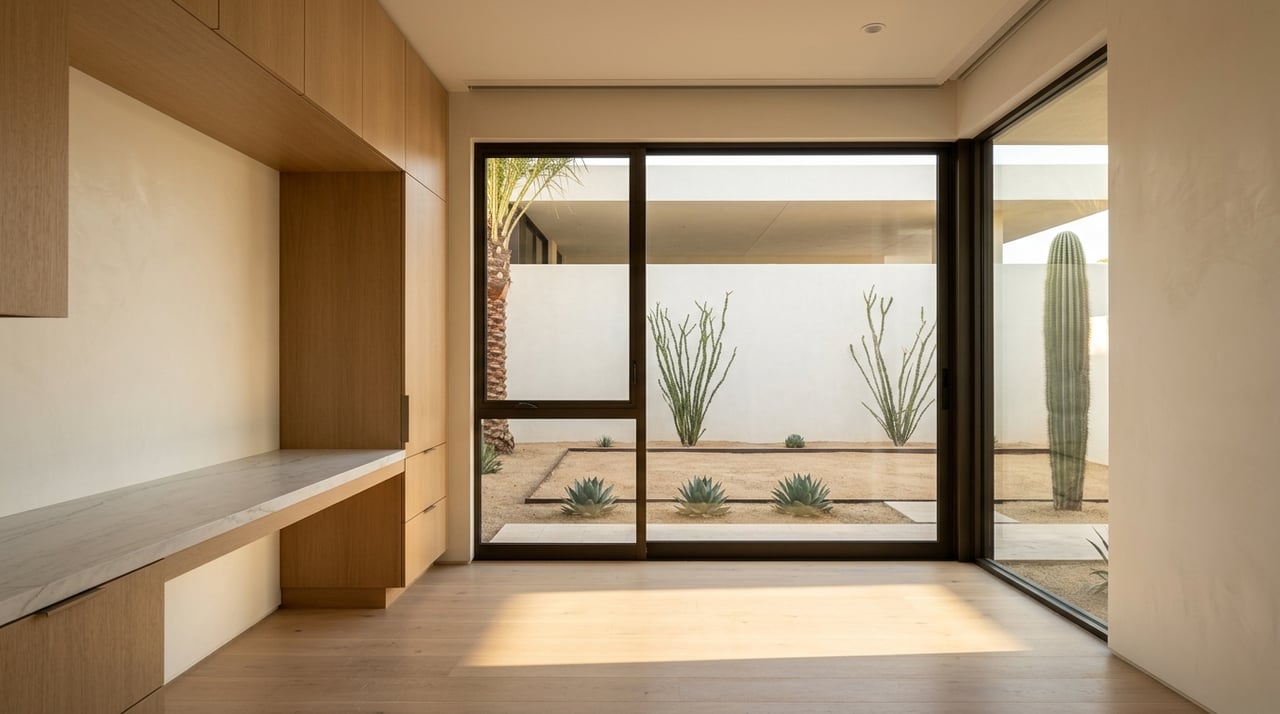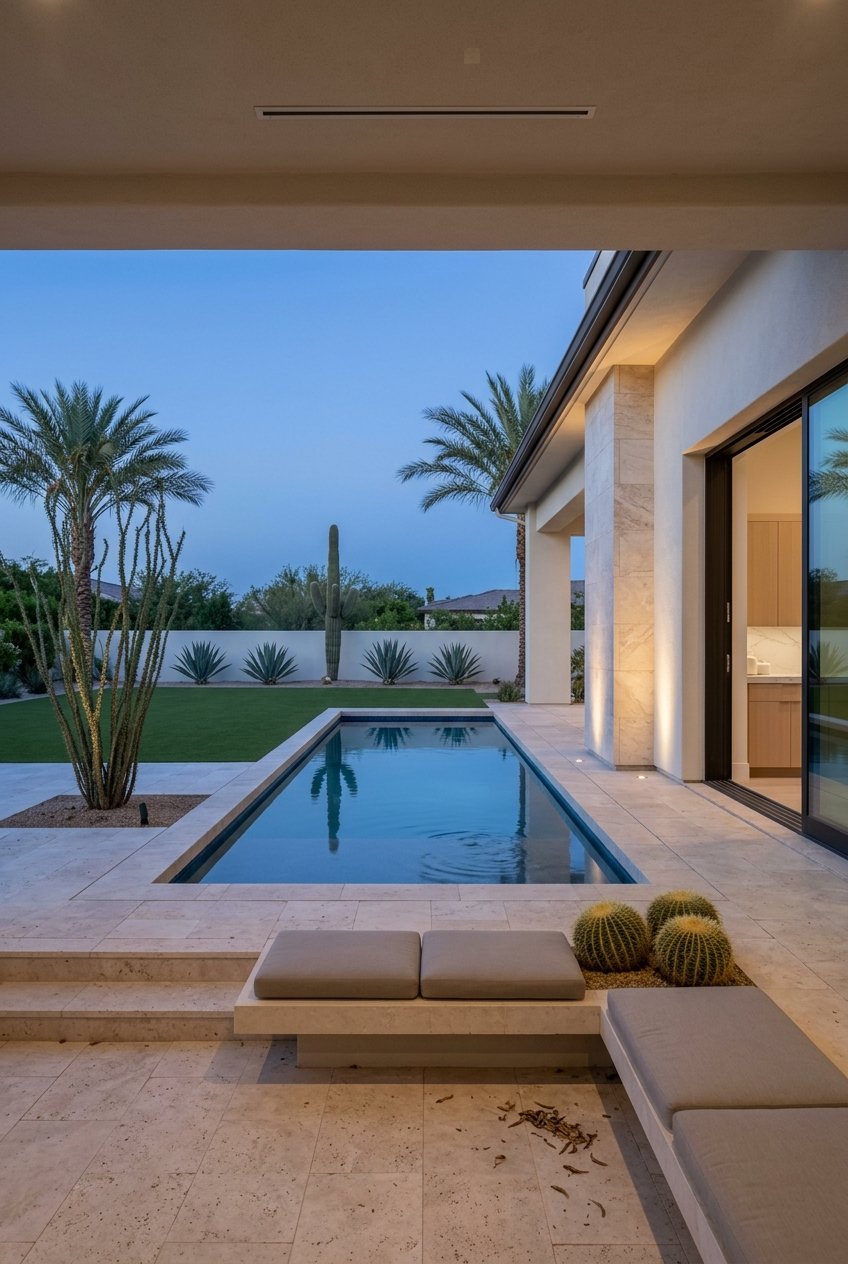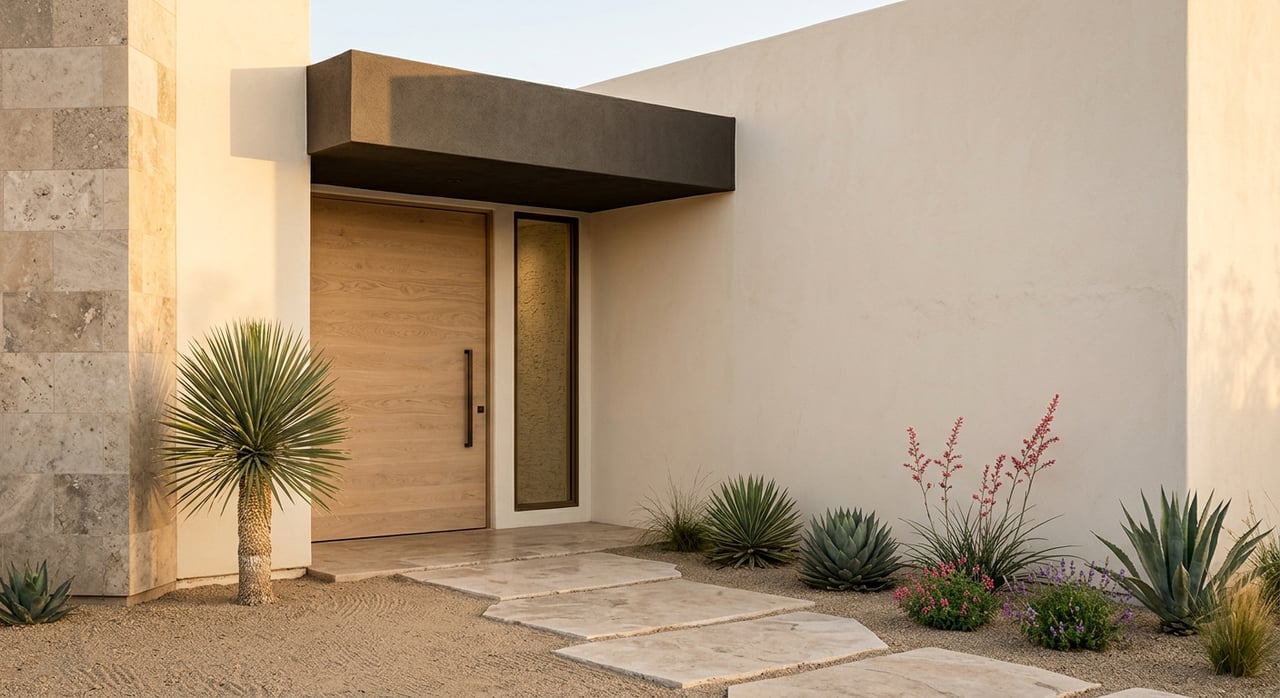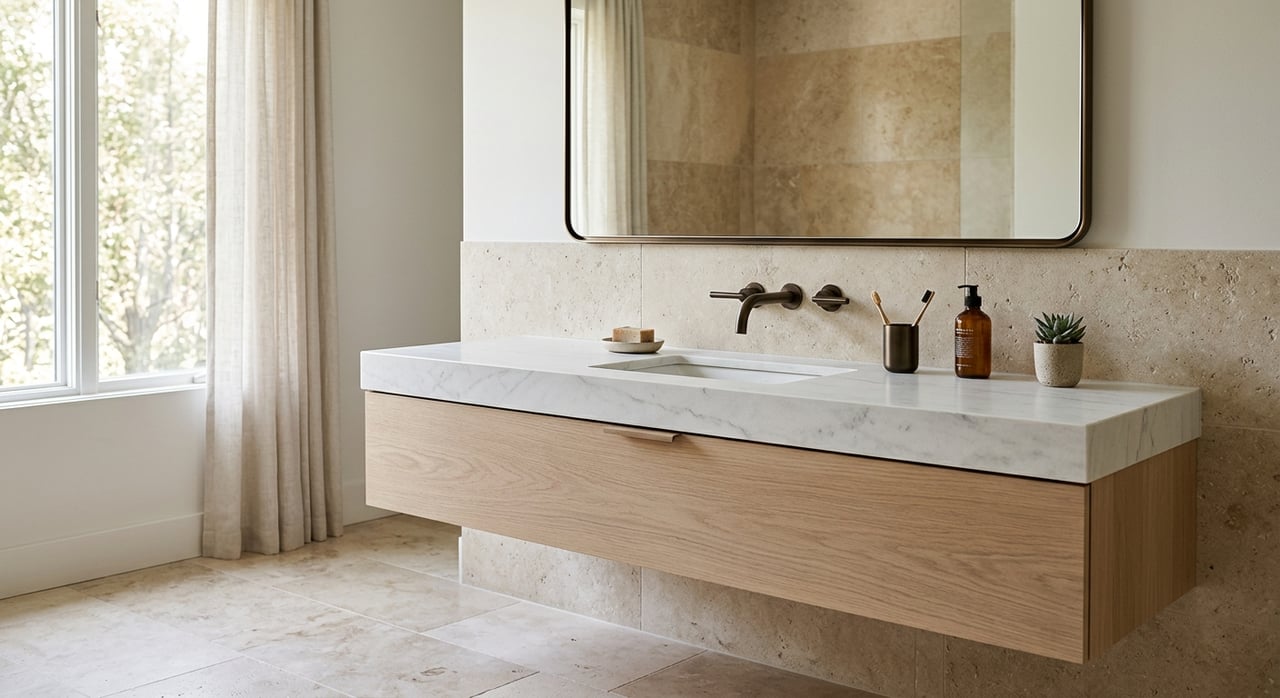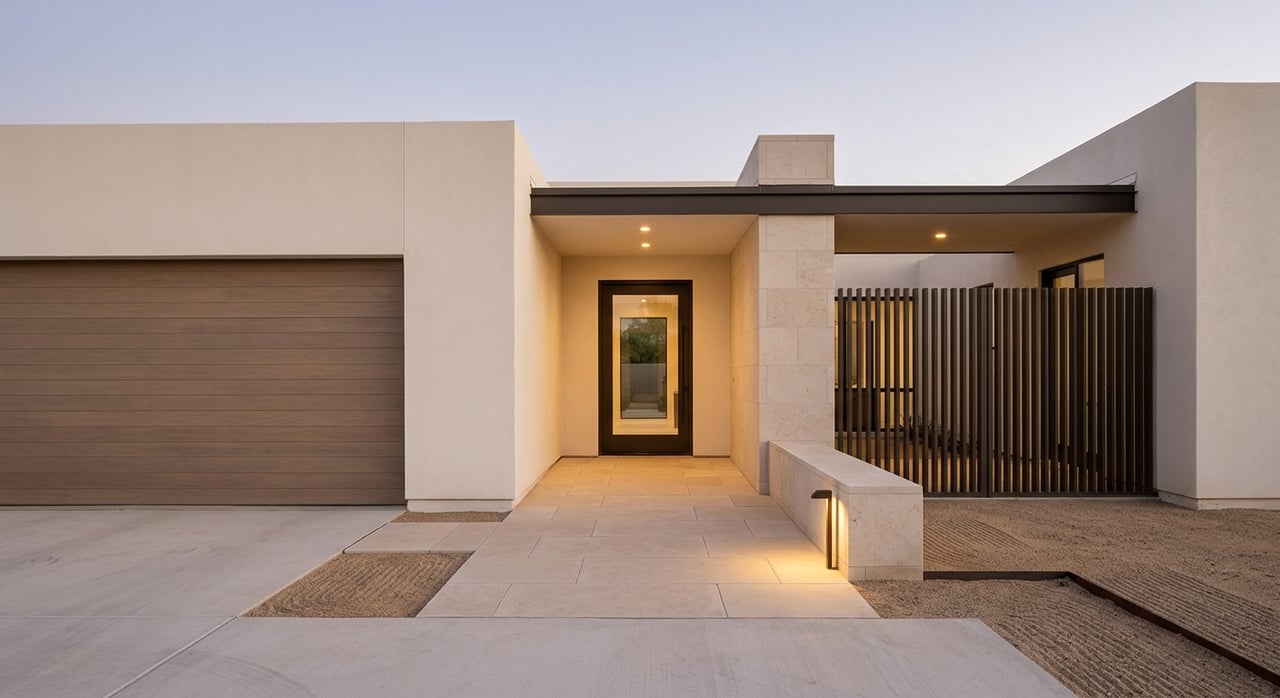
Thinking about a second home in Paradise Valley? It helps to know that you are not buying into a high-rise resort strip or a dense vacation district. You are buying into a low-density luxury residential market known for privacy, views, and easy access to high-end resorts and golf. In this guide, you will learn how Paradise Valley is structured, when to visit, what to look for in a lock-and-leave property, and which due-diligence details matter most before you buy. Let’s dive in.
Paradise Valley’s second-home appeal
Paradise Valley is best understood as an estate-and-resort enclave. The town describes itself as a quiet desert oasis surrounded by Camelback Mountain, Phoenix Mountain Preserve, and the McDowell Mountains. It also highlights 294 sunny days each year, which helps explain why so many second-home buyers are drawn to the area.
What makes this market distinct is its residential character. Paradise Valley has long been shaped by one- to five-acre homesites, and the town’s 2022 General Plan still centers on a predominantly one-acre residential pattern. That means your second-home search here is often about space, privacy, and setting first, with resort amenities nearby rather than at your doorstep.
For many buyers, that is the point. If you want a home base that feels quiet and residential while still keeping luxury hospitality, golf, and dining within easy reach, Paradise Valley fits that profile well.
What kind of second home fits here?
Not every second-home buyer wants the same ownership experience. Some want a turnkey property they can leave for months at a time. Others want a larger estate with more land, more privacy, and more control.
In Paradise Valley, you will see both. Some homes sit in HOA-governed communities with features that may support lock-and-leave living, such as gated access or shared maintenance standards. Others follow the town’s older estate pattern, where larger lots may come with more private upkeep responsibility.
That difference matters. A beautiful property can still be the wrong fit if its maintenance demands do not match how often you plan to use it.
Lock-and-leave buyers should focus on management
If you expect to be away for long stretches, ask practical questions early. Find out who handles landscaping, how exterior maintenance is managed, and whether the community has clear service rules for owners who are absent for part of the year.
The town does not enforce CC&Rs, so HOA rules are community-specific private agreements. That means there is no townwide standard for maintenance, design review, or amenity coverage. You will want to review each community’s documents carefully rather than assume two nearby subdivisions operate the same way.
When to plan your home search
Timing matters in Paradise Valley because climate shapes the experience of both touring and ownership. According to the town’s climate data, Paradise Valley averages 294 sunny days per year, about 7.3 inches of rain, and no snowfall. Average temperatures range from a January low of 35.9°F to a July high of 104°F.
For most buyers, winter and the shoulder seasons are the easiest times to explore homes. The weather is more comfortable, outdoor spaces are easier to evaluate, and you can enjoy the market without the full intensity of summer heat.
Summer still has value, though. If you are serious about a second home, a summer visit can show you how a property performs under the toughest conditions.
Summer tours reveal real-world performance
Monsoon season runs from June 15 through September 30 in the Desert Southwest. During that period, the Phoenix area can see intense heat, thunderstorms, lightning, and flash-flood risk.
That does not mean you should avoid summer entirely. It means you should treat a summer tour differently. Pay attention to shade, sun exposure, drainage, and how comfortable outdoor areas feel during the hottest part of the day.
Traffic and access patterns to test
Paradise Valley is not known for the same level of congestion you might expect in denser parts of the Valley, but access still matters for a second-home owner. The town’s 2022 General Plan notes that traffic increases during non-summer months, especially on Lincoln Drive and Tatum Boulevard, as more residents and tourists are in the area.
The same plan also notes that commuters often pass through town streets to move between Phoenix and Scottsdale or to avoid congestion on SR-51. While congestion on Lincoln and Tatum is considered relatively low compared with the broader Valley, busier conditions tend to happen around midday.
For that reason, it is smart to drive the area more than once. A route that feels easy in the morning may feel very different later in the day.
Understand the travel advantage
For out-of-market buyers, travel convenience is one of Paradise Valley’s quiet strengths. Phoenix Sky Harbor offers 24 airlines with nonstop service to more than 130 domestic and 26 international destinations, which makes standard commercial access straightforward.
Scottsdale Airport serves a different role. It is a general-aviation facility with no commercial airline service, but it is heavily used by corporate and leisure travelers and sits close to resorts and golf.
That gives buyers flexibility. Depending on how you travel, Paradise Valley can work well for both frequent commercial flights and private aviation access.
Utilities can vary more than expected
One of the biggest surprises for second-home buyers is that utility setup in Paradise Valley is not always simple or uniform. The town says there are three water providers, two sewer providers, and many properties still use septic systems.
Electric service may come from APS or SRP, gas from Southwest Gas, and trash and recycling are handled by private companies rather than by the town. In other words, two nearby homes may not have the same service providers or utility structure.
This matters for both monthly cost and ease of ownership. It also matters when you are planning for long periods away from the property.
Sewer or septic is a key question
Always confirm whether a home is connected to sewer or uses septic. That single detail can affect maintenance planning, inspection scope, and your comfort level as an absentee owner.
There is also a cost detail many buyers miss. The town notes that sewer charges are recalculated each year using 90% of average winter water use. If you are comparing homes, that is worth understanding because irrigation habits can influence future billing.
Taxes, dues, and ongoing ownership costs
A second home in Paradise Valley usually comes with four main cost buckets: property taxes, utilities, HOA dues if the property has them, and private maintenance. Your exact mix will depend on the property type and ownership structure.
Maricopa County says property tax bills are based on assessed value and the applicable tax rate. The County Treasurer sends bills in September, while the Assessor establishes property values.
It is also useful to know that school district taxes are usually the largest part of the property tax bill in Maricopa County. Even in a luxury market, the basics still matter, and clear cost planning is part of a smart purchase.
Rental flexibility needs a close review
Some second-home buyers want the option to rent the property when they are not using it. If that is part of your plan, do not treat it as a minor detail.
Paradise Valley says short-term rentals are allowed under state law, but HOAs may regulate or restrict them. The town also says short-term or vacation rentals must be rented as a whole property and cannot be used for commercial events.
There are also compliance steps. These rentals require transaction privilege tax and transient tax compliance, plus registration with the Maricopa County Assessor.
Do not assume every home offers the same flexibility
This is where property-level and community-level review become essential. One home may align with your goals, while another may not, even if they look similar on paper.
If rental flexibility matters to you, make it part of your early screening process. That can save time and help you focus only on homes that match your intended use.
A smart Paradise Valley viewing checklist
When you tour homes, it helps to look beyond finishes and floor plans. Paradise Valley is a lifestyle market, but it is also a details market.
Use this checklist as you narrow your search:
- Confirm the exact water, sewer, and trash providers for the address.
- Ask whether the property is on sewer or septic.
- Review HOA CC&Rs if the home is in a governed community.
- Verify whether short-term rental flexibility matters to you and whether the community allows it.
- Drive the area at midday and later in the day to compare traffic and access patterns.
- Note any airport-related flight activity or noise sensitivity if you are comparing homes near Scottsdale’s aviation corridor.
The bigger takeaway for second-home buyers
Paradise Valley works best when your expectations match the market’s true character. This is a low-density luxury residential town with resort access, not a hotel-centered vacation zone. That difference shapes everything from daily lifestyle to maintenance planning.
If you want privacy, views, and a residential setting with easy access to hospitality and golf, Paradise Valley can be an exceptional second-home market. The key is making sure the property’s ownership structure, utility setup, and seasonal comfort all align with how you actually plan to use the home.
A thoughtful purchase here starts with more than a beautiful showing. It starts with knowing what kind of ownership experience you want and choosing a property that supports it from day one.
If you are considering a second home in Paradise Valley and want a more tailored view of which properties truly fit your lifestyle, connect with Adrian Heyman. His white-glove, local-first approach can help you evaluate the details that matter before you make your move.
FAQs
What makes Paradise Valley different for second-home buyers?
- Paradise Valley is primarily a low-density residential estate market with resort amenities nearby, rather than a dense vacation or hotel district.
When is the best time to tour second homes in Paradise Valley?
- Winter and shoulder seasons are usually the most comfortable for touring, while summer can be useful if you want to see how a home handles extreme heat and monsoon conditions.
What should second-home buyers know about HOAs in Paradise Valley?
- HOA rules are community-specific private agreements, and the town does not enforce CC&Rs, so you need to review each property’s governing documents carefully.
What utility details matter most for Paradise Valley second homes?
- You should confirm the property’s water, sewer, and trash providers and verify whether the home uses sewer or septic, since services can vary by address.
Can you use a Paradise Valley second home as a short-term rental?
- Short-term rentals are allowed under state law, but HOA rules may restrict them, and town requirements include renting the whole property, avoiding commercial events, and meeting tax and registration rules.