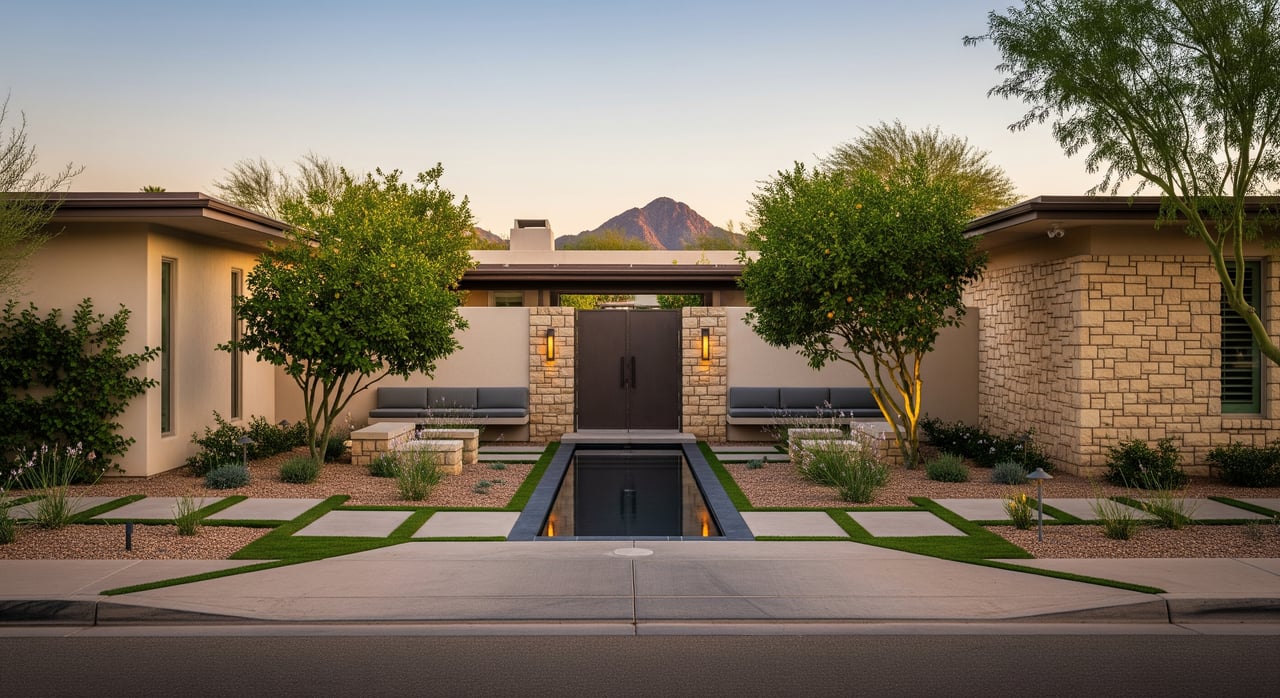
Thinking about buying in Arcadia and weighing HOA vs non‑HOA? You’re not alone. Arcadia’s mix of historic ranch homes, custom builds, and newer infill means you’ll see both options on the same street. The right choice comes down to how you want to live, what you plan to change, and how much structure you prefer. In this guide, you’ll learn how HOAs work in Arizona, the real tradeoffs in Arcadia, and a smart due diligence plan so you can buy with confidence. Let’s dive in.
Arcadia at a glance
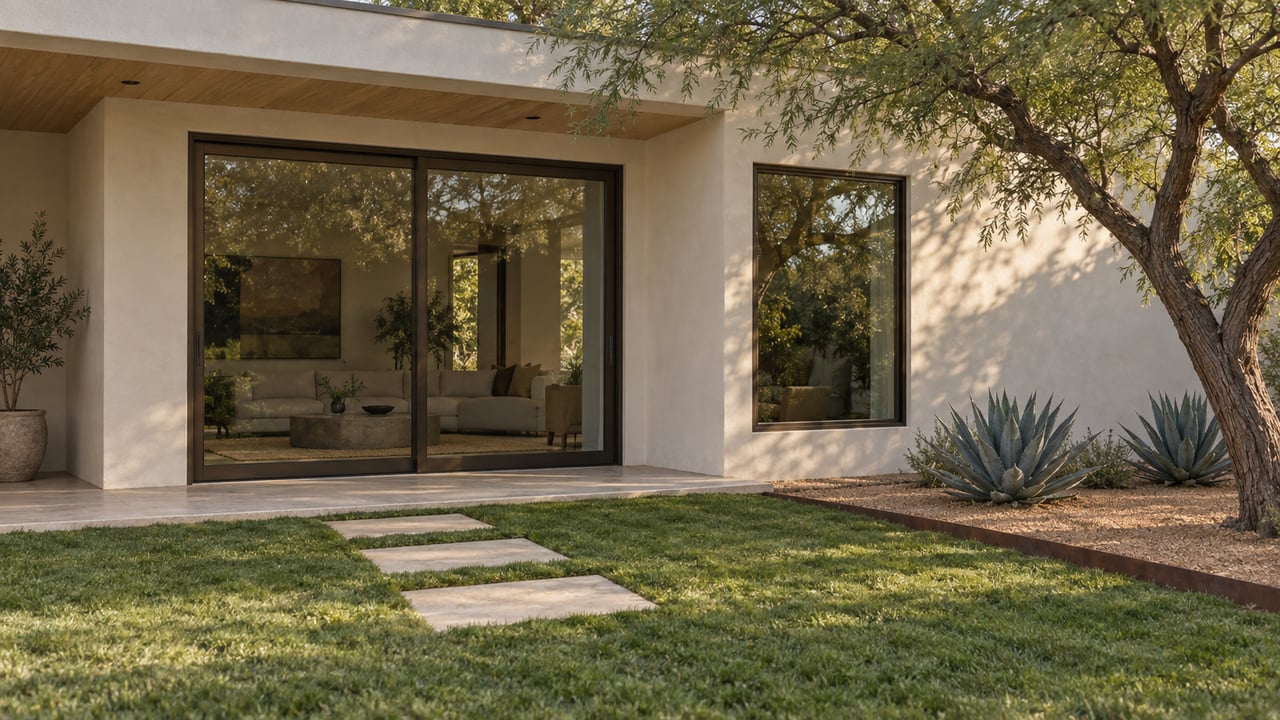
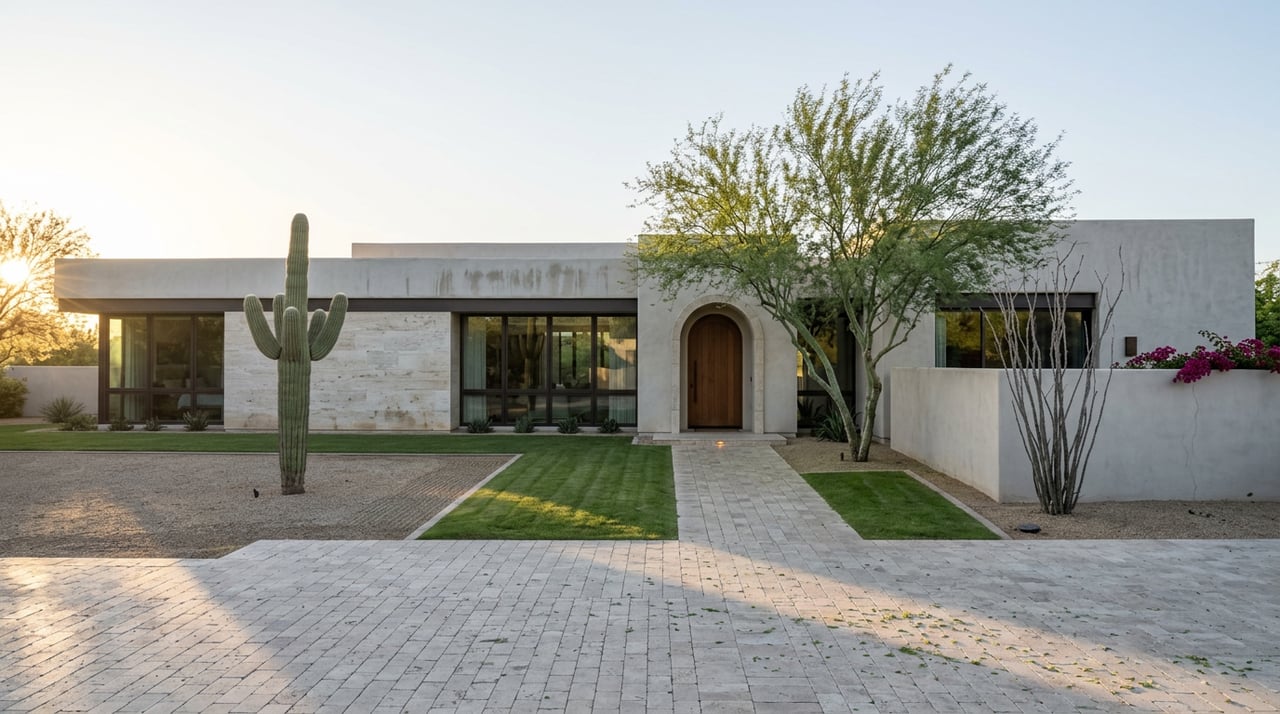
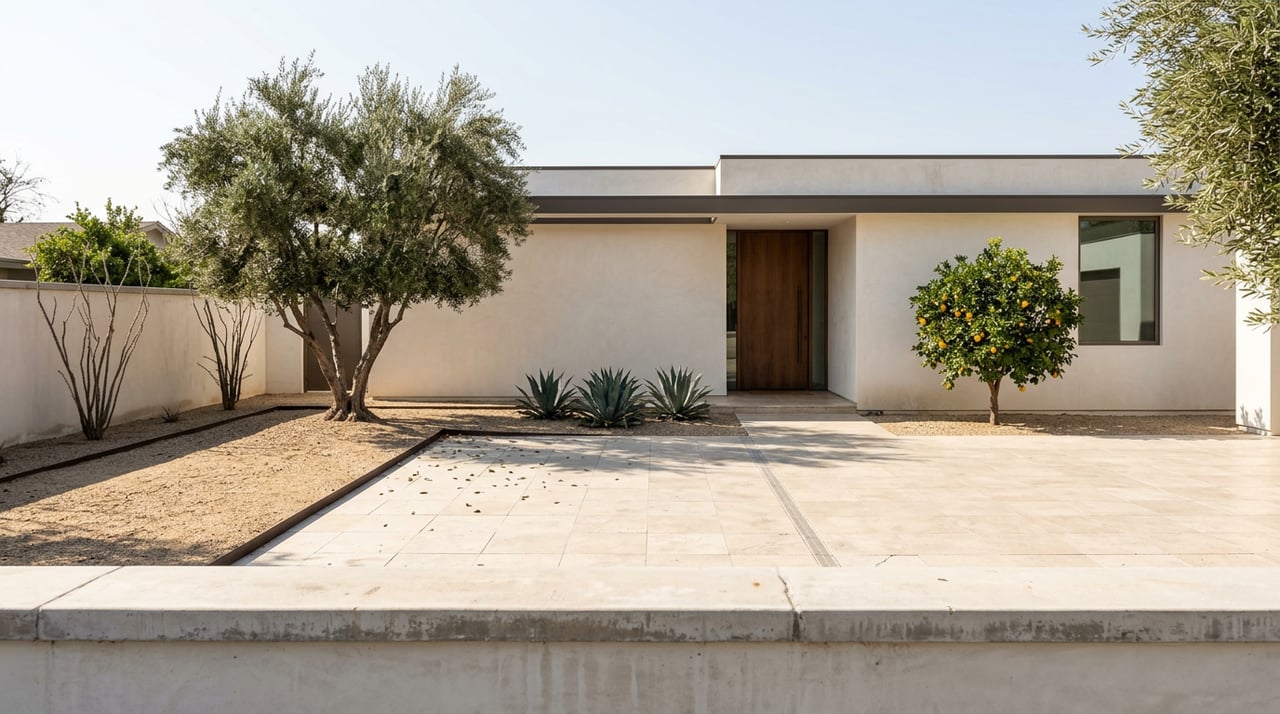
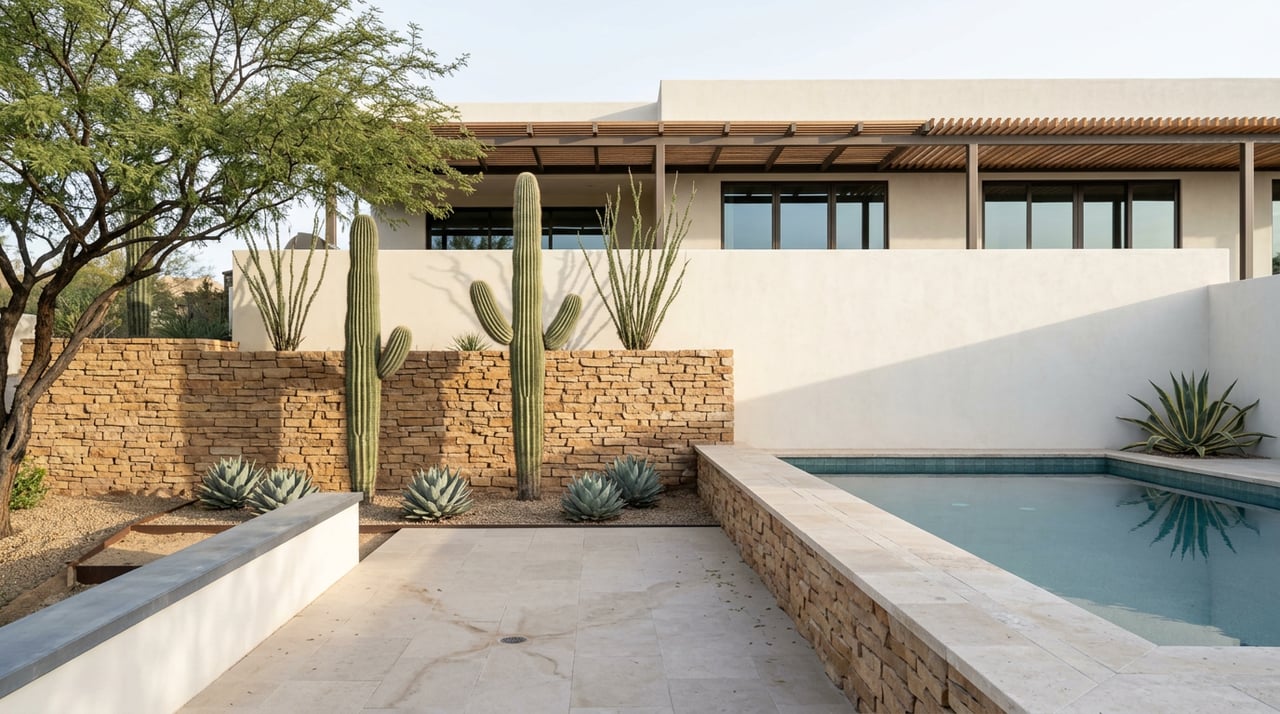
Arcadia is a centrally located Phoenix neighborhood near Scottsdale with larger lots, mature landscaping, and a blend of mid‑century and newer construction. You’ll find standalone single‑family homes, custom estates, and nearby townhome and condo projects. That mix creates both HOA and non‑HOA ownership options on the market at any given time.
Don’t assume the neighborhood name determines HOA status. In Arcadia, many older single‑family parcels are non‑HOA, while newer infill, townhomes, and most condos include an HOA. Always verify the parcel’s recorded documents during escrow.
HOA basics in Arizona
In Arizona, HOAs are set up around recorded Covenants, Conditions and Restrictions, known as CC&Rs. These documents create owner obligations that run with the land. Bylaws and rules govern how the association operates day to day, typically through an elected board and sometimes a third‑party management company.
If you want to understand the legal framework, review Arizona Revised Statutes, Title 33. For general best practices on associations and owner responsibilities, the Community Associations Institute offers useful guidance.
What HOAs control
Common HOA responsibilities and controls include:
- Architectural review for exterior changes, additions, landscaping, and pools.
- Maintenance of common areas, private streets, gates, walls, lighting, and shared amenities.
- Community standards for parking, signage, pets, rentals, and noise, which vary by association.
- Master insurance for common elements, with owners carrying individual policies based on property type.
Fees and assessments
Expect regular monthly or quarterly dues that fund operations, reserves, and routine maintenance. Healthy reserve funds help prevent surprise costs. Underfunded reserves can lead to one‑time special assessments for major repairs or capital projects.
Associations also have enforcement tools. Under recorded CC&Rs and Arizona practice, HOAs can levy fines and place liens for unpaid assessments, subject to statutory protections. If you want to explore state rules at a high level, start with Title 33 and consult counsel for specifics.
HOA living: pros and cons
Pros of HOA living
- Consistent exterior standards and neighborhood appearance.
- Shared amenities like pools, landscaping, gates, or small parks.
- Predictable upkeep for shared infrastructure and common areas.
- Ability to enforce rules that address parking, noise, and visible changes.
Cons of HOA living
- Ongoing dues that vary by project scope and amenities.
- Potential for special assessments when reserves fall short.
- Restrictions on exterior changes, colors, hardscaping, and sometimes rental rules.
- Risk of poor management, low reserves, or litigation that affects values and liquidity.
Non‑HOA living: pros and cons
Pros of non‑HOA living
- Greater freedom for remodels, additions, and exterior changes within city code.
- No mandatory HOA dues or special assessments.
- Potentially simpler paths for rentals or short‑term flexibility, subject to local ordinances.
Cons of non‑HOA living
- Less consistency in nearby property appearance or use.
- You are solely responsible for exterior and site maintenance.
- No collective mechanism to fund shared improvements or enforce standards.
How tradeoffs play out in Arcadia
Arcadia’s mix of historic homes and new infill brings the HOA conversation into focus. If you want a large ranch lot or a custom renovation, a non‑HOA parcel can offer the creative freedom you need. If you prefer low‑maintenance living, clear design standards, and shared amenities, an HOA community or townhome project may fit better.
Because Arcadia’s home values and lot sizes vary, HOA fees and services also vary. Some newer developments lean into design review to maintain a cohesive look, which can help protect values. For project‑driven buyers, those controls can feel protective or limiting depending on your renovation goals.
Buyer due diligence checklist
Use this list to confirm the HOA status, obligations, and risks before you commit.
Verify HOA status early
- Confirm whether the property is within an HOA or subject to CC&Rs in the preliminary title report.
- Ask for the association’s name, management company, and current dues.
- Check for recorded liens, pending violations, or known litigation affecting the property.
Review core documents
- Recorded CC&Rs, bylaws, rules, and articles of incorporation.
- Current budget, reserve study if available, and recent financial statements.
- Meeting minutes from the last 12–24 months to spot enforcement trends and upcoming projects.
- Estoppel certificate confirming dues, unpaid assessments, pending special assessments, and known violations. For general background on association documents and owner obligations, see the Community Associations Institute.
- Master insurance policy and a summary of owner responsibilities (what the HOA covers vs what you must insure).
- Rental and leasing policies, plus any transfer or disclosure fees.
Understand timing and costs
- Many associations charge a fee for estoppel or disclosure packages, with turnaround times that vary.
- Who pays for HOA document fees can be negotiated; confirm in your purchase contract. The Arizona Association of REALTORS provides local practice guidance and forms.
- Build enough time into your inspection period to review documents and cancel if terms are unacceptable.
Watch for red flags
- Low reserves relative to the age and scope of common elements.
- Recent or repeat special assessments.
- Unresolved or frequent litigation.
- Restrictive rental policies that could shrink your future buyer pool.
- Poorly maintained common areas despite higher fees.
Financing and insurance essentials
If you are buying a condo or townhome, your lender may require project approval for certain loan types. Always confirm whether the building or association meets your lender’s criteria early in the process. For single‑family homes inside an HOA, lenders still factor HOA dues into your monthly obligations when qualifying you.
Insurance is a two‑part review. HOA master policies cover common elements and vary in scope. You will likely carry your own HO‑6 or HO‑3 policy to cover interior or dwelling items not included in the master policy. Gaps in coverage can shift costs to owners, so confirm coverage details in writing before you close.
If you want to dig into consumer resources on Arizona real estate practice, visit the Arizona Department of Real Estate.
Resale and marketability factors
Well‑run HOAs with healthy reserves and attractive amenities can support property values and broaden buyer demand. On the other hand, higher dues, frequent special assessments, or governance issues can limit interest and slow resale. In Arcadia’s premium market, clarity around reserves, rules, and any litigation helps protect your future exit.
Local resources and where to check
- Arizona HOA statutes and property laws: Arizona Revised Statutes, Title 33
- Consumer information and licensing: Arizona Department of Real Estate
- Local practice guidance and forms: Arizona Association of REALTORS
- HOA education and best practices: Community Associations Institute
- Recorded CC&Rs and property documents: Maricopa County Recorder
- Parcel data and property taxes: Maricopa County Assessor
- Zoning, permits, planning: City of Phoenix
Next steps
Choosing between HOA and non‑HOA in Arcadia starts with your lifestyle and your plans for the property. If you want design freedom and space to create, focus on non‑HOA parcels with clear city approvals. If you value shared amenities, lighter upkeep, and consistent streetscapes, prioritize HOA communities with strong reserves and straightforward rules.
If you would like a guided search that filters by HOA status, fees, and design controls, along with a document review plan, we’re here to help. Schedule a Private Consultation with Unknown Company to explore on‑ and off‑market options that fit how you want to live in Arcadia.
FAQs
What is an HOA in Arizona?
- An HOA is a private association governed by recorded CC&Rs, bylaws, and rules that set owner obligations, with authority outlined in Arizona Revised Statutes, Title 33.
How do I confirm if an Arcadia home has an HOA?
- Check the preliminary title report and recorded documents through your escrow officer or the Maricopa County Recorder.
What is an estoppel certificate for Arizona HOAs?
- It is an association statement confirming dues, unpaid balances, pending assessments, and known violations, typically ordered during escrow for buyer review.
Who pays HOA disclosure or transfer fees in Phoenix?
- Payment is negotiable between buyer and seller; confirm terms in your purchase contract and refer to Arizona Association of REALTORS forms for local practice.
How do HOA dues affect my mortgage approval?
- Lenders include HOA dues in your monthly debt calculation, which can impact how much you qualify for, especially in condo and townhome projects.
Can Arcadia HOAs restrict rentals?
- Many HOAs have rules on leasing; details vary by association, so review CC&Rs and rules during escrow and confirm any caps or minimum lease terms.
What insurance do I need if the HOA has a master policy?
- You will typically carry an HO‑6 or HO‑3 policy to cover your unit interior or dwelling items not covered by the master policy; verify coverage details in the HOA’s insurance summary.
Where can I find CC&Rs and recorded documents for Arcadia properties?
- Search the Maricopa County Recorder and confirm with your title company during escrow to ensure you have the complete, current set of documents.